Showing posts with label Clients. Show all posts
Showing posts with label Clients. Show all posts
Tuesday, June 9, 2015

Thursday, June 4, 2015
Simple Tips For Avoiding Working For Lower-Quality Clients

Lower-quality clients suck. All they focus on is how little they can pay. They make unreasonable demands for the amount of work they want you to do and how fast they want it done. And they’ll inevitably ask you for the type design that you just don’t enjoy creating.
Does this sound familiar? Then chances are you have suffered from working for clients like these. We all have at some point, especially when starting out.

So how do you avoid working for lower-quality clients? You attract higher-quality ones. How? There aren’t any tricks involved. It’s simply adjusting your attitude and approach towards clients. You stand your ground and don’t compromise on what you’re worth and who you’re willing to work with. By doing so, you’ll be well on your way to attracting higher-quality clients that you actually want to work with.
Don’t Be Desperate – Make Them Need You
The number one way to get lower-quality clients is to appear desperate. As a freelancer or business, when you scrape at the bottom of the barrel, that’s what you’ll get. You’re desperate, so you’ll take the first client you can get. Chances are, they’ll be low-quality:
- Focused on low price.
- Unreasonably demanding the quantity of work and time to deliver it.
- Wanting designs that you don’t really like to create.
Avoid desperation towards clients at all costs. Don’t be desperate – instead, make the clients need you.

When you turn the tables, you get to be selective. And when you’re picky with who you work for, you end up working with higher-quality clients who:
- Pay you what you’re actually worth.
- Agree to the quantity of work and time it’ll take to deliver it.
- Desire the type of designs you actually want to create.
When you talk to other designers who went from low to high-quality clients, they’ll said tell you the same thing: that not needing clients was the single biggest factor to attracting higher-quality clients.
Once they stopped being desperate for clients, they stopped taking on clients they didn’t want. And during email and phone conversations with clients, they would give off the impression that they didn’t need the client.
Key phrases like “if this isn’t what you’re looking for, then I’m probably not the right fit for you” or “you’re better off looking elsewhere” or “lower-cost designers would be better suited for you” were used. The clients were impressed and realized they were talking to a legit designer, not some rent-a-designer, and that made the client desire them more.
Don’t be desperate. Make the client need you. Don’t listen to the “what if I can’t get any clients” voice in your head, stand your ground, and don’t settle. Sooner than later you’ll start getting the clients that want you for you.
Don’t Reduce Rates – But Do Offer a Lower-Cost Trial
Similar to above, don’t cave in to reducing rates. When you stand your ground price-wise, the client will realize that you must be worth it – lesser designers would’ve been more desperate and worked for whatever price they could get.
When pitching to clients, don’t tell them that you can reduce rates. Say what rate you work for and leave it at that. Let the client decide if they can afford that or not – otherwise, you’ll get the lower-quality clients that chase the lowest price and nothing else.
When talking to clients, if they say that the price is too high, use wording like “I’m probably too expensive for you, so you’re better off looking for cheaper designers elsewhere”. Not only will you not settle for lesser pay, but you might actually provoke the client in a friendly way into paying you. They’ll think, hey, I’m good enough of a client, what does this designer mean I can’t afford it? And they just might end up paying you.

That’s good and all, but very few clients will pay full price for unproven talent. So if needed, you could offer a lower-cost trial. If the client is unsure, tell them that you’re willing to do the first task or project or whatever at a lower rate. Then if the client is happy with the work, they agree to pay full price for subsequent work. This way, you reduce the risk for the client while still standing your ground price-wise and attracting higher-quality clients.
It’s similar to products and services that offer a trial. You never tried the product or service before, so unless you got a personal recommendation, it’s unlikely you’ll pay full price to try it. But a risk-free, lower-cost or no-cost trial you will try. Then, assuming you love it, you’ll gladly continue using it at full price. The company can sell higher-cost premium products and services this way without compromising on cost and thus quality.
Focus Your Message on Benefits Clients Really Want
If you don’t make it clear how you can help, then you won’t be able to attract higher-quality clients who are specifically looking for that solution. So you need to crystal-clearly focus your message on the benefits that clients really want.
For example:
- When you simply say that you design websites, you’ll attract amateur clients who are looking for someone to design their website.
- But when you say that you’ll impress the client’s customers that are in this key demographic (and the client has had trouble reaching) and make them more likely to convert by buying/joining or whatnot, you’ll attract the high-quality clients specifically looking for that.
See the difference?
Focus your message on the benefits the higher-quality clients would want:
- Decide who your ideal clients are.
- Find out what problems they have that really need solving.
- Clearly say that you can help with that in your conversations.
By focusing your message on the benefits, you’ll increase the chances of those higher-quality clients paying you to do work for them.
Attract Higher-Quality Clients
When you stand your ground in not needing clients and not reducing rates, and when your message focuses on the benefits clients really want, you’ll be well on your way to attracting higher-quality clients. When you do, you’ll be able to work with clients you actually like, and you’ll get to create designs you actually enjoy making. It’s benefits for you all around: you’re happier, you make more, and your life is easier.
How else have you been able to attract higher-quality clients?
All images from chuckchee’s Portfolio on Shutterstock.

The post Simple Tips For Avoiding Working For Lower-Quality Clients appeared first on Speckyboy Web Design Magazine.
Simple Tips For Avoiding Working For Lower-Quality Clients
Monday, June 1, 2015
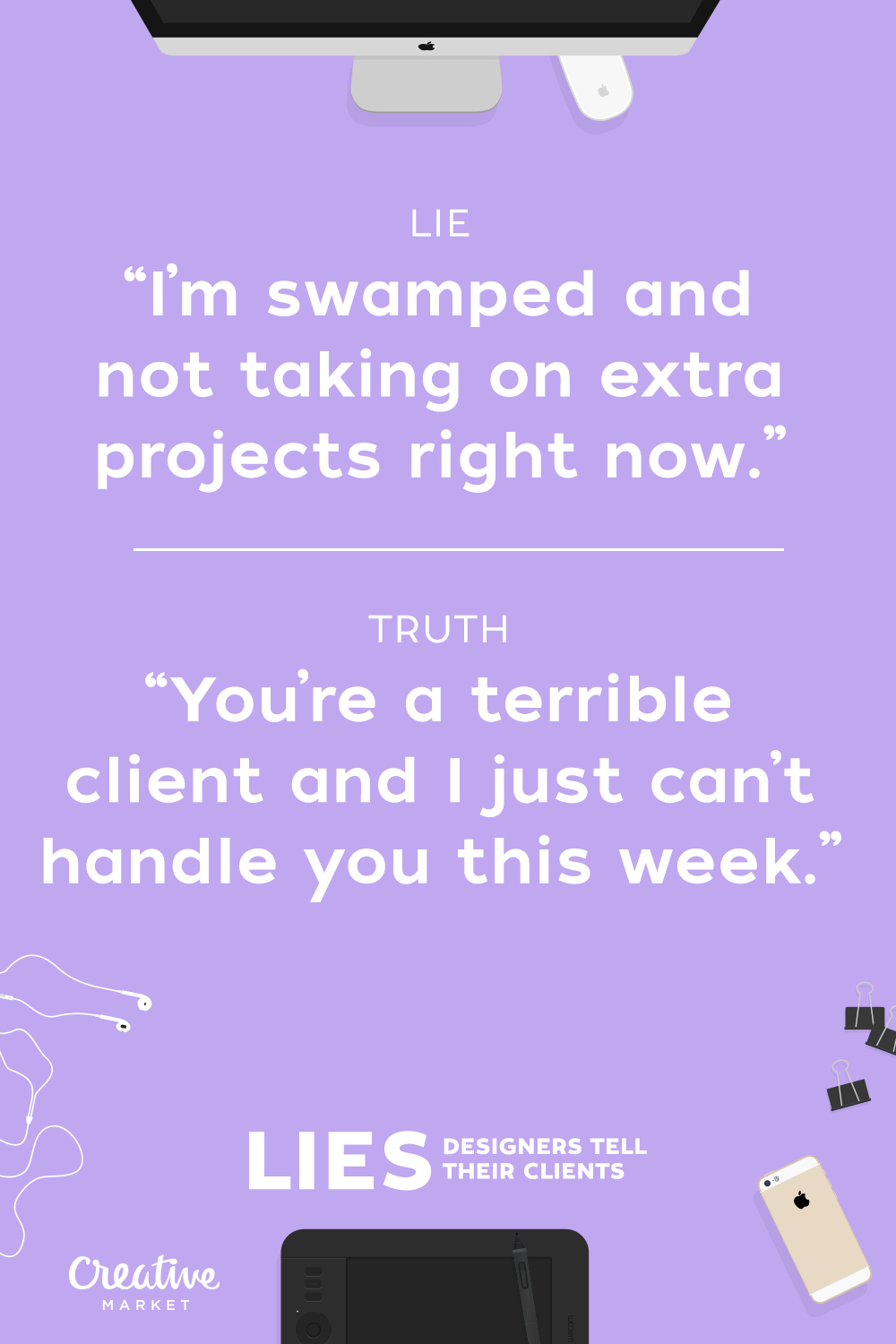
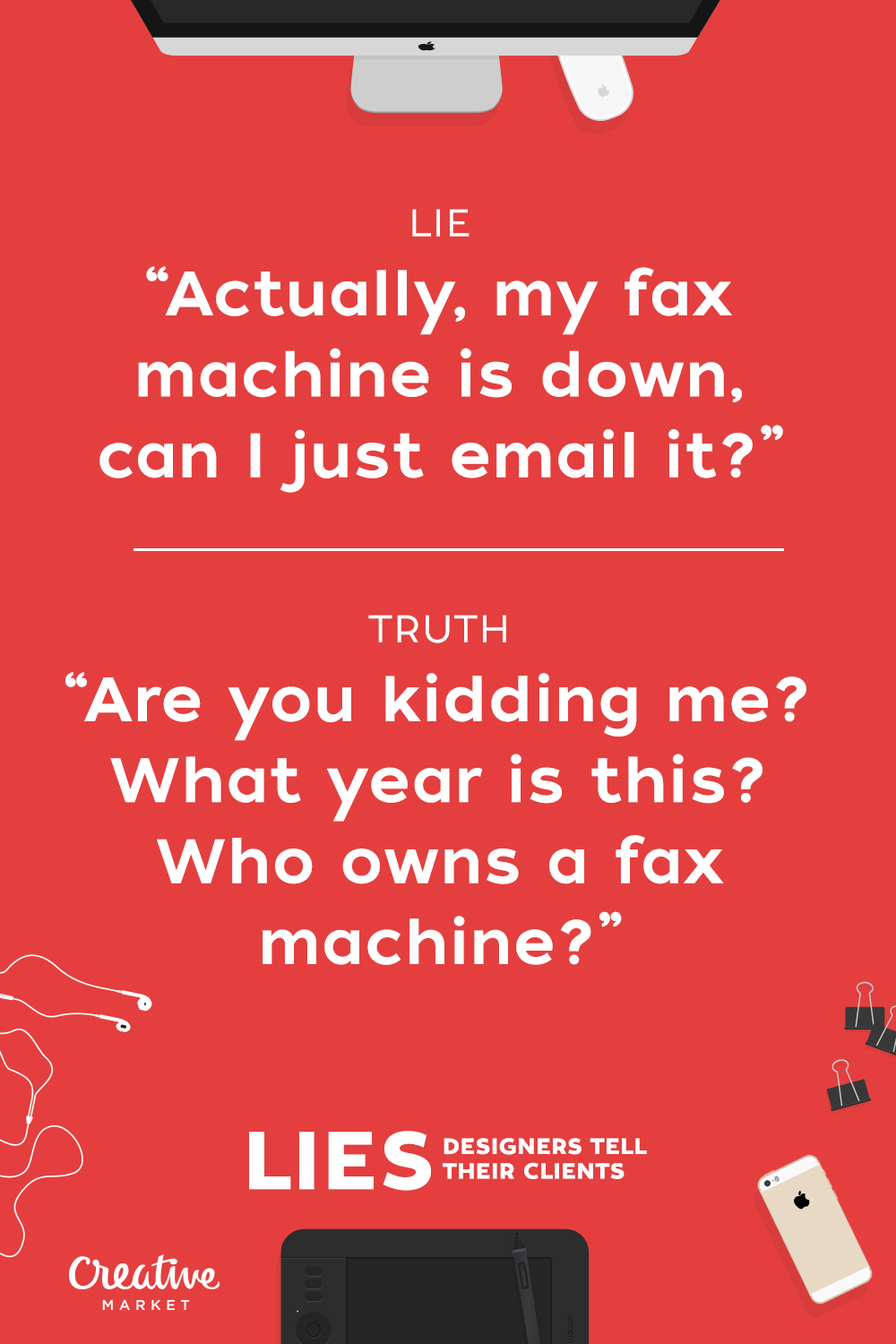
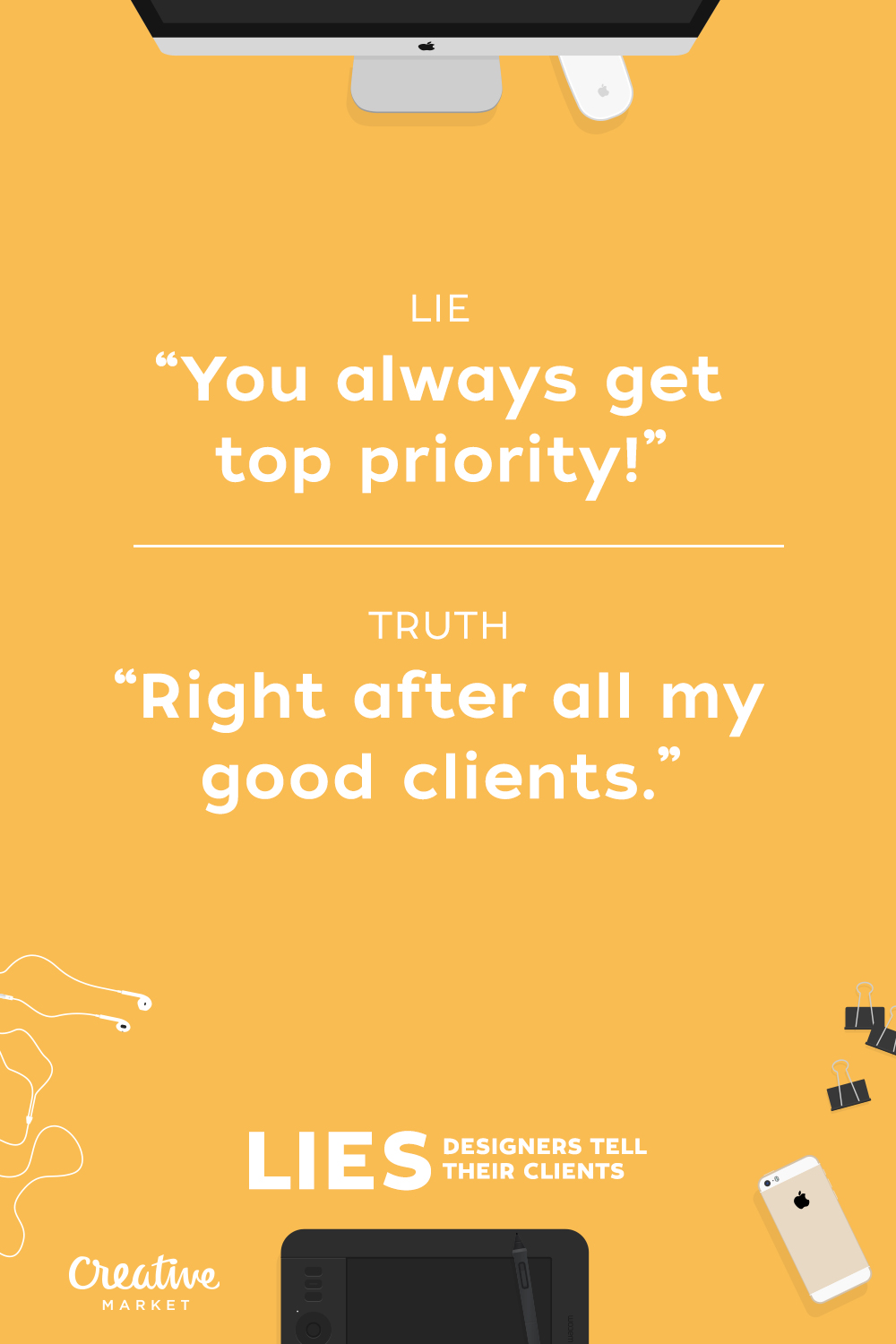
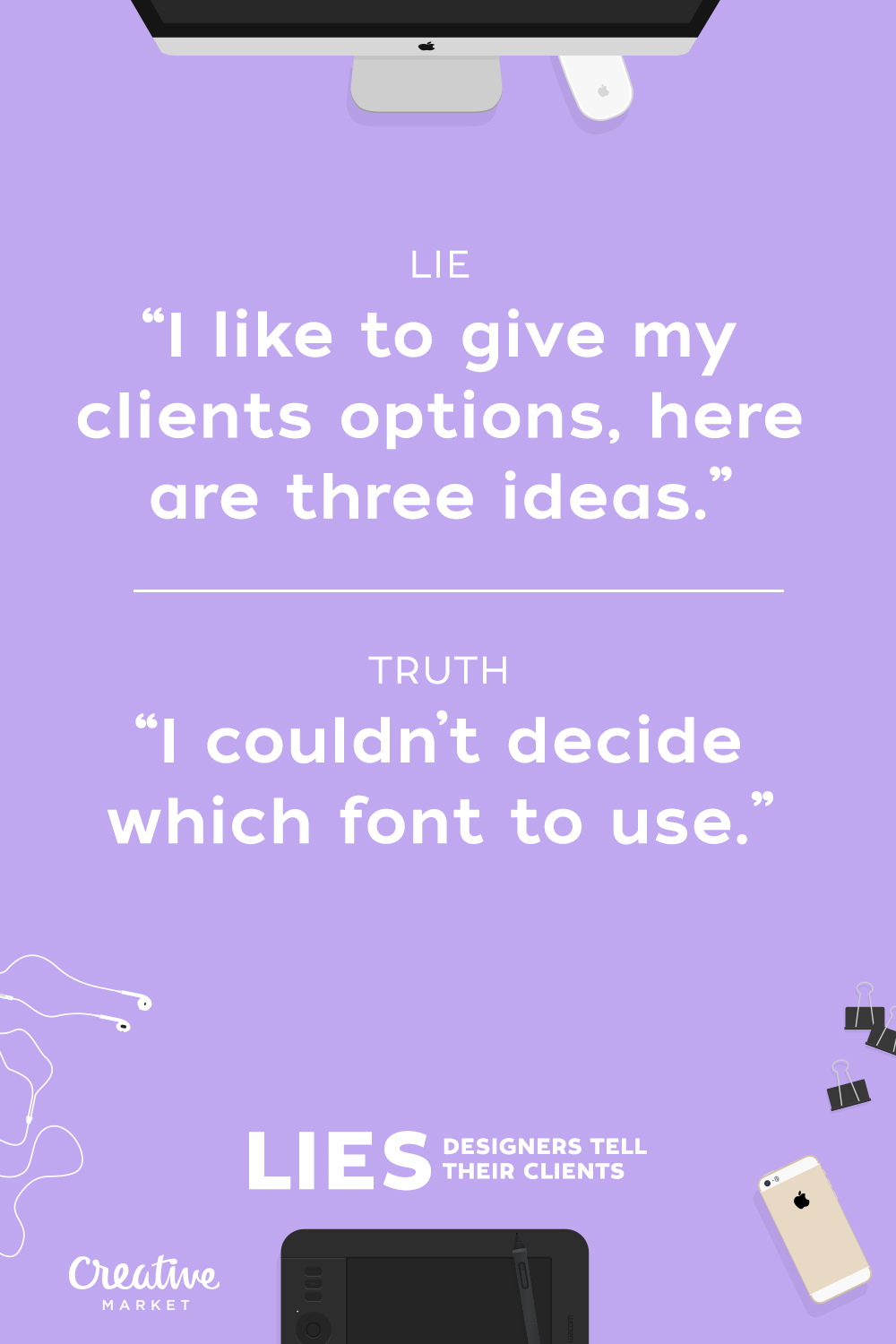
20 Lies Designers Tell Their Clients
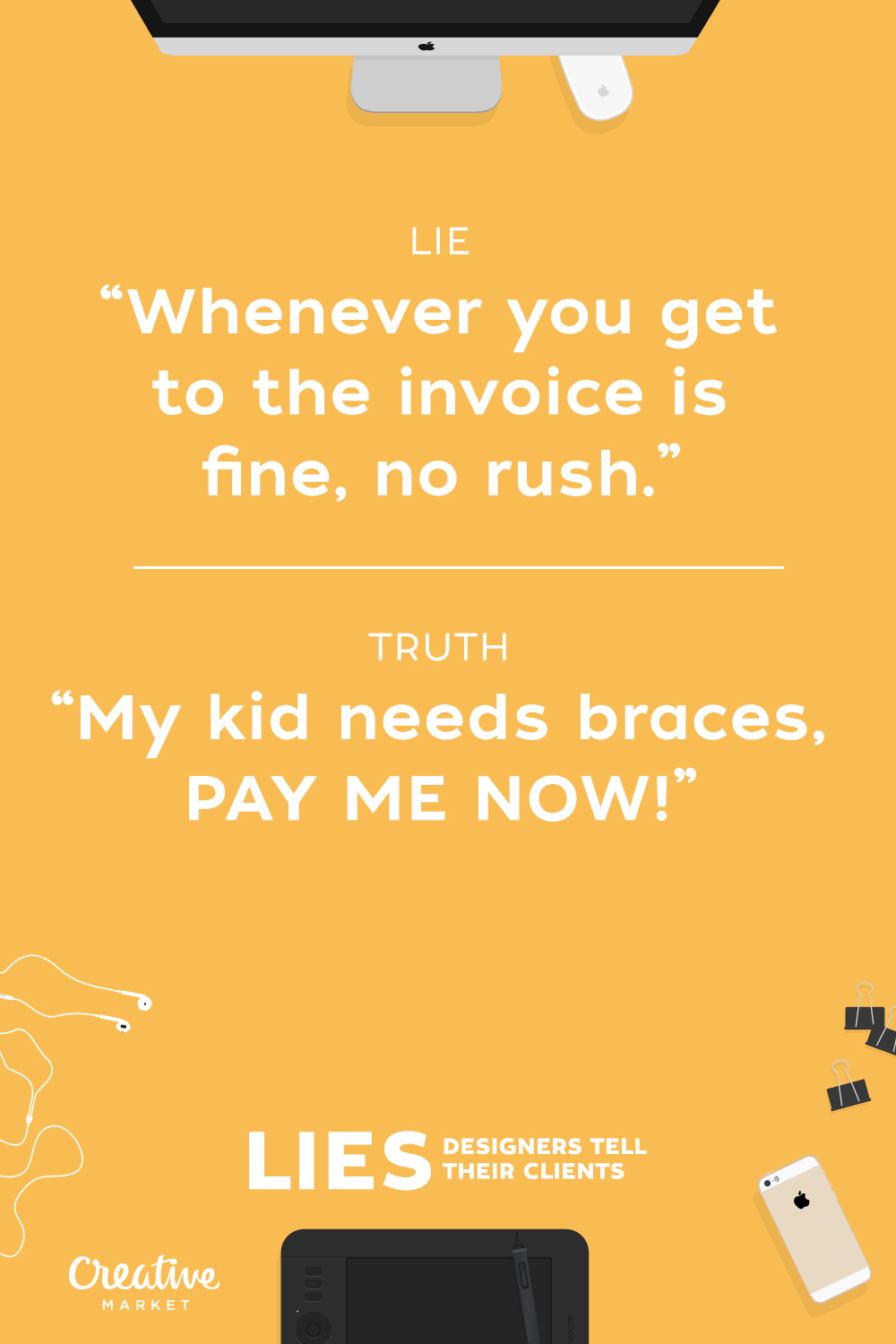
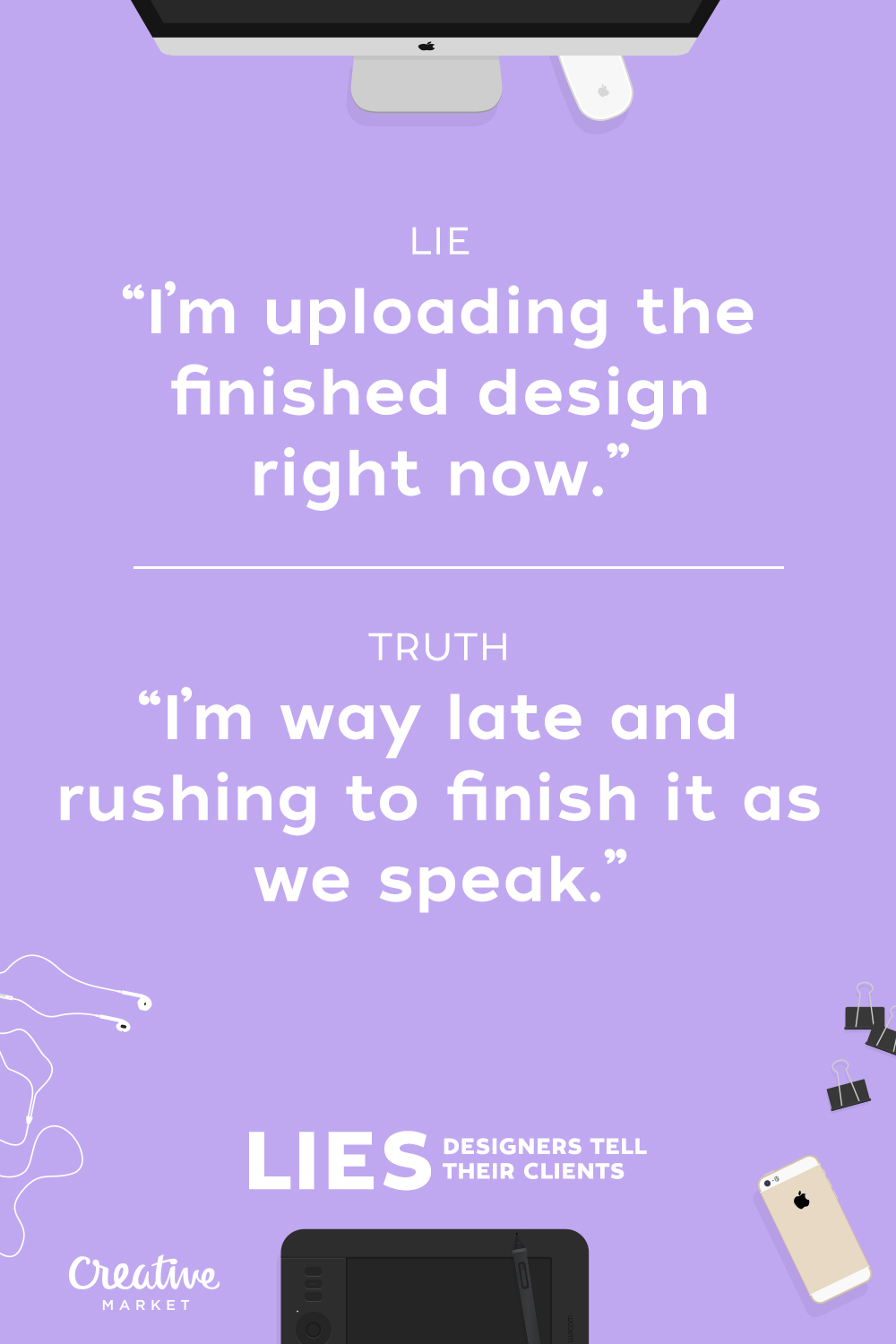
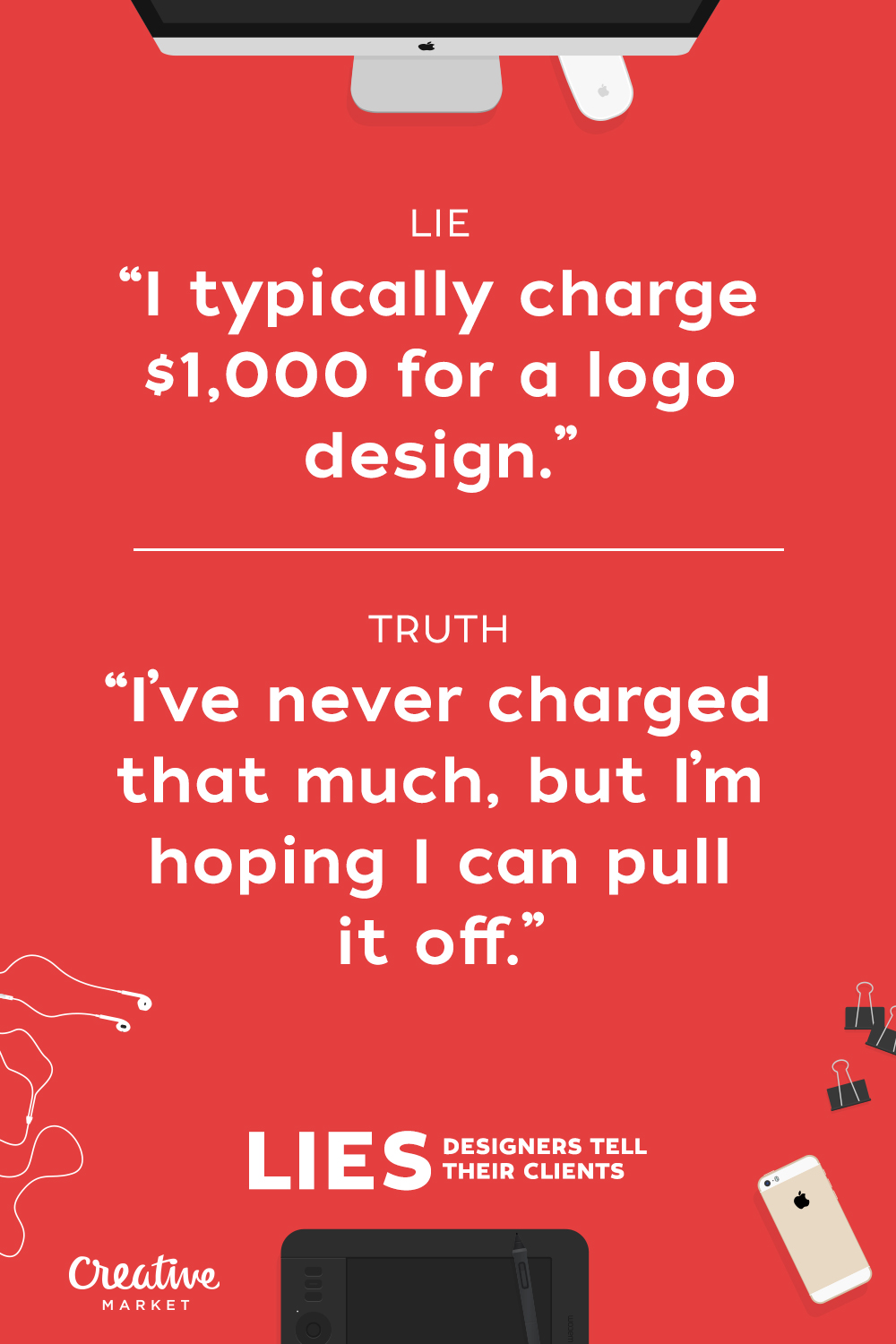
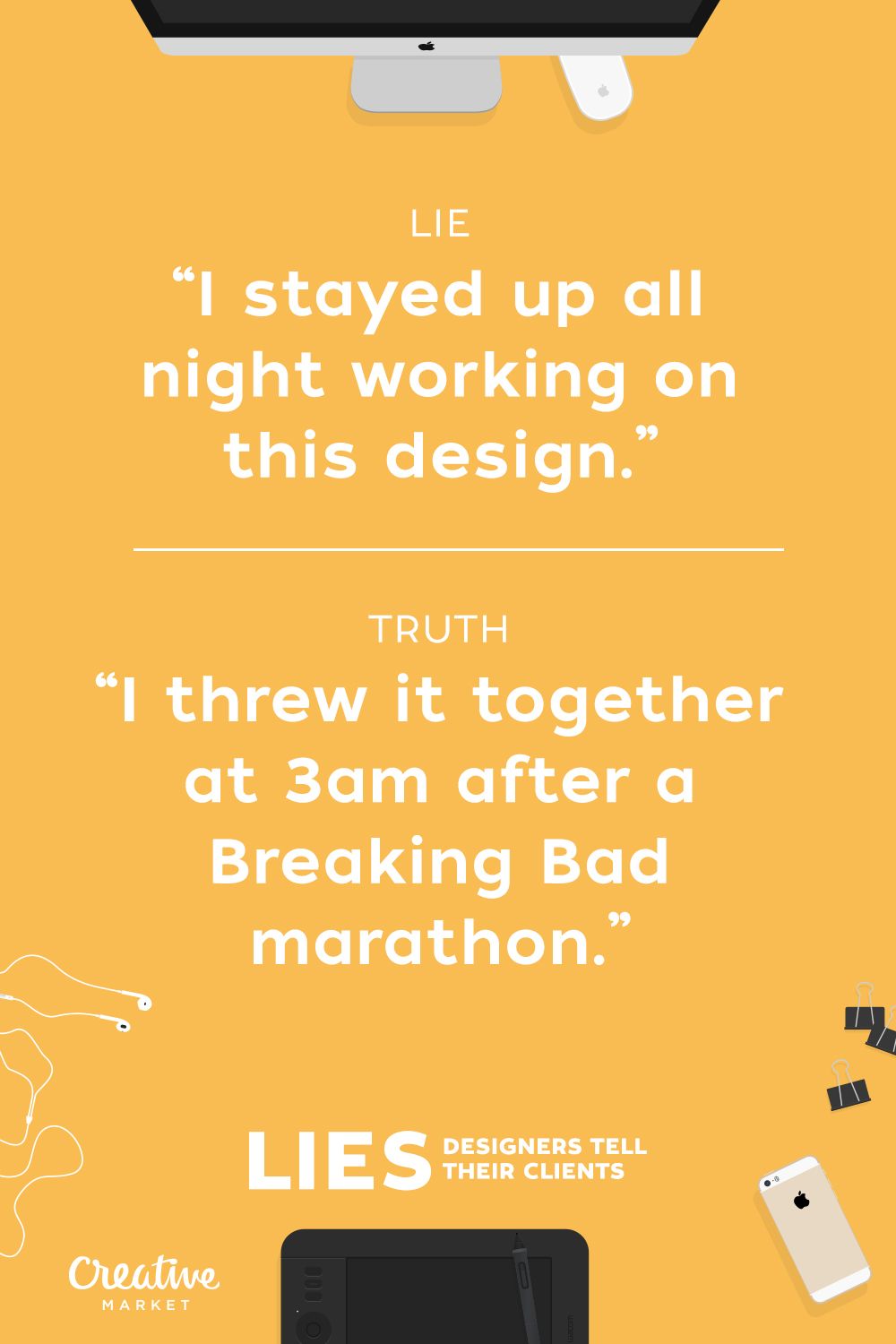
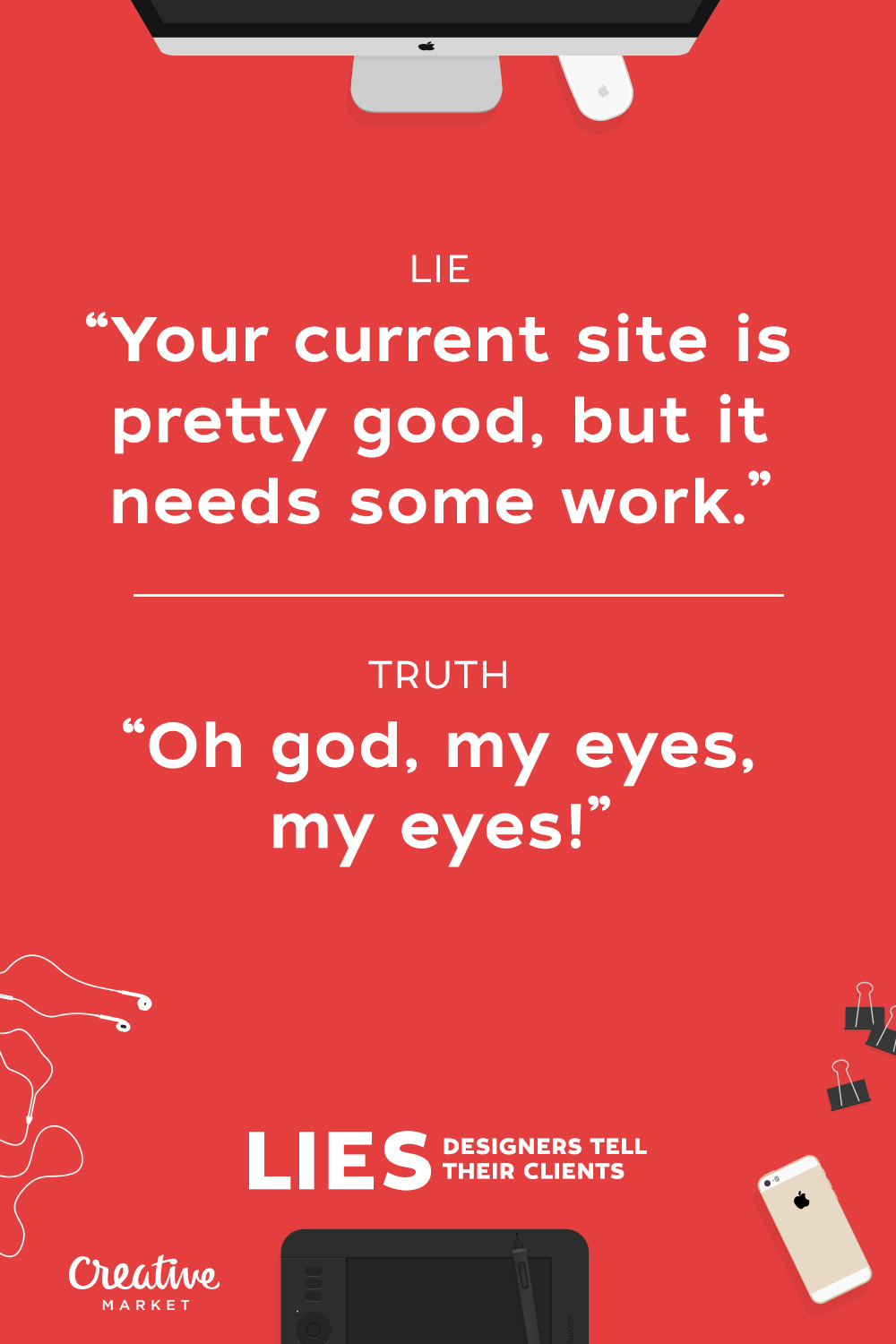
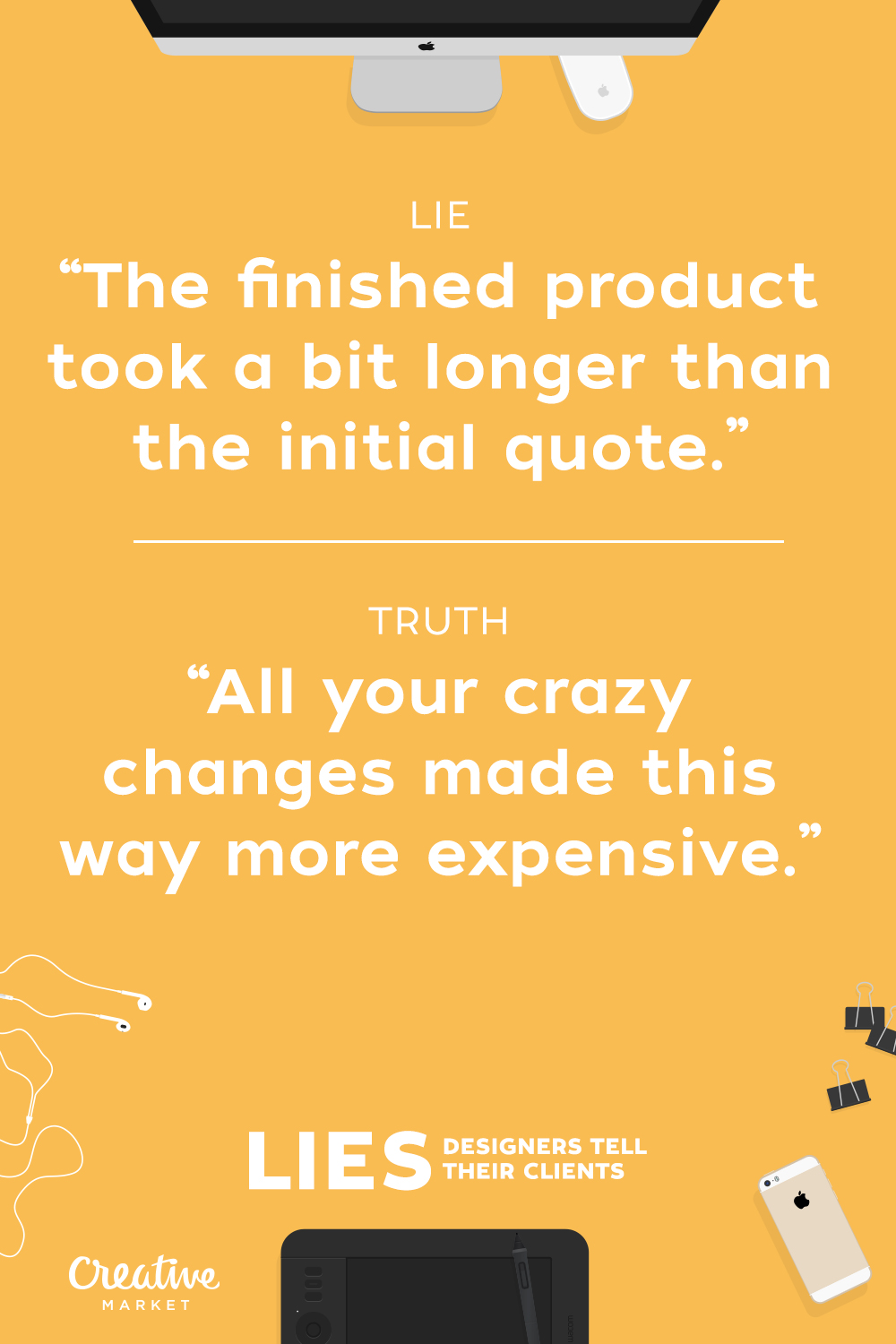
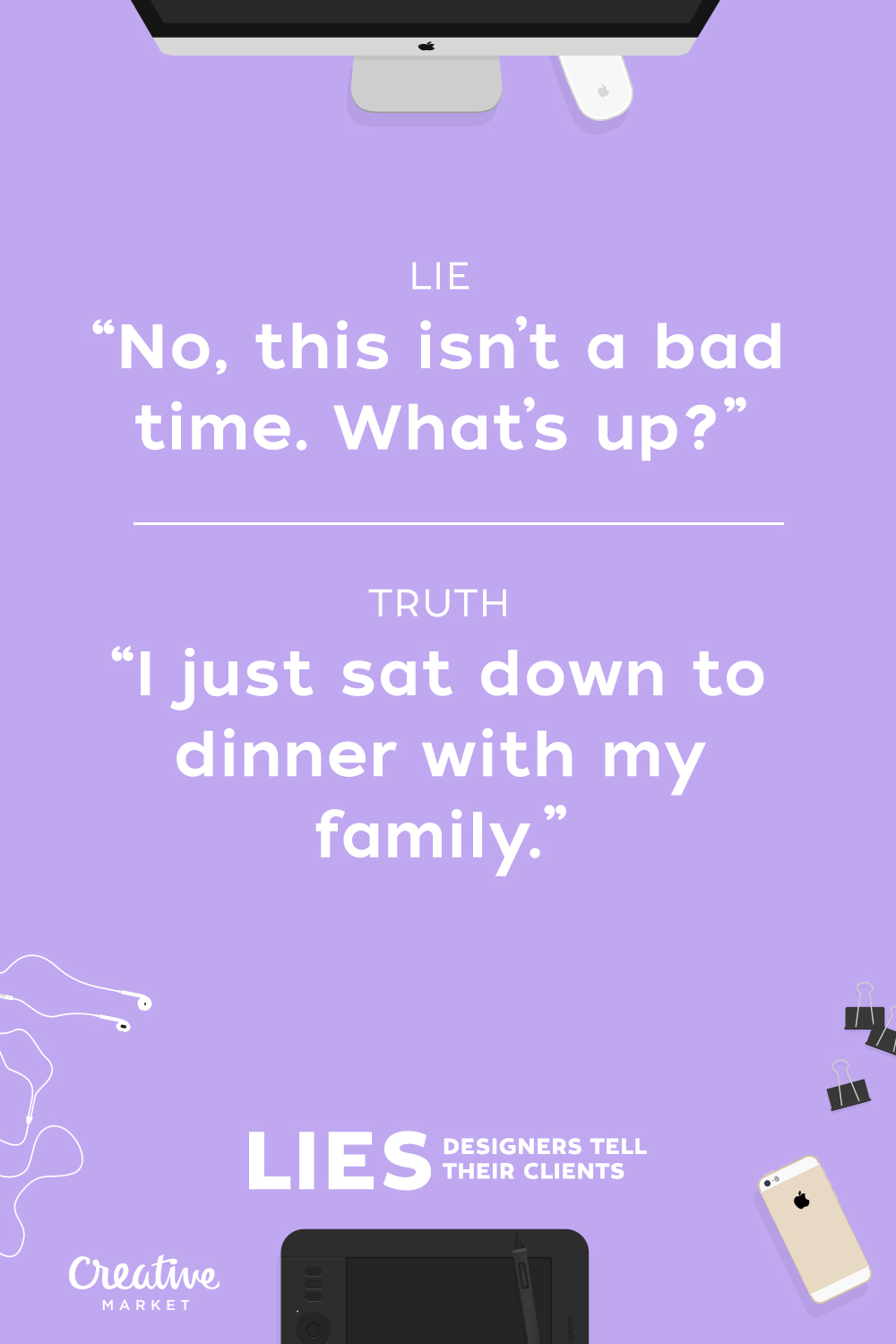
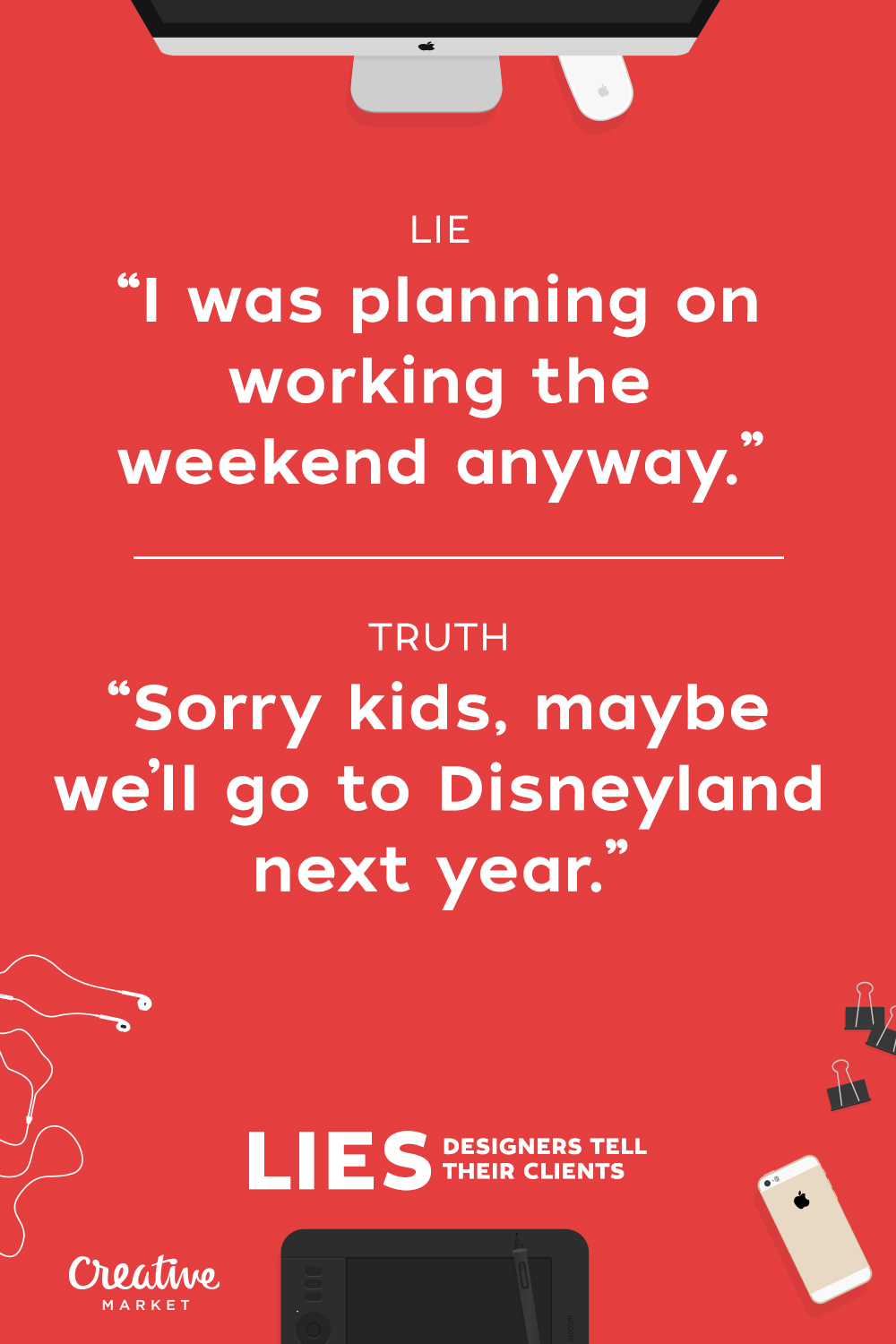
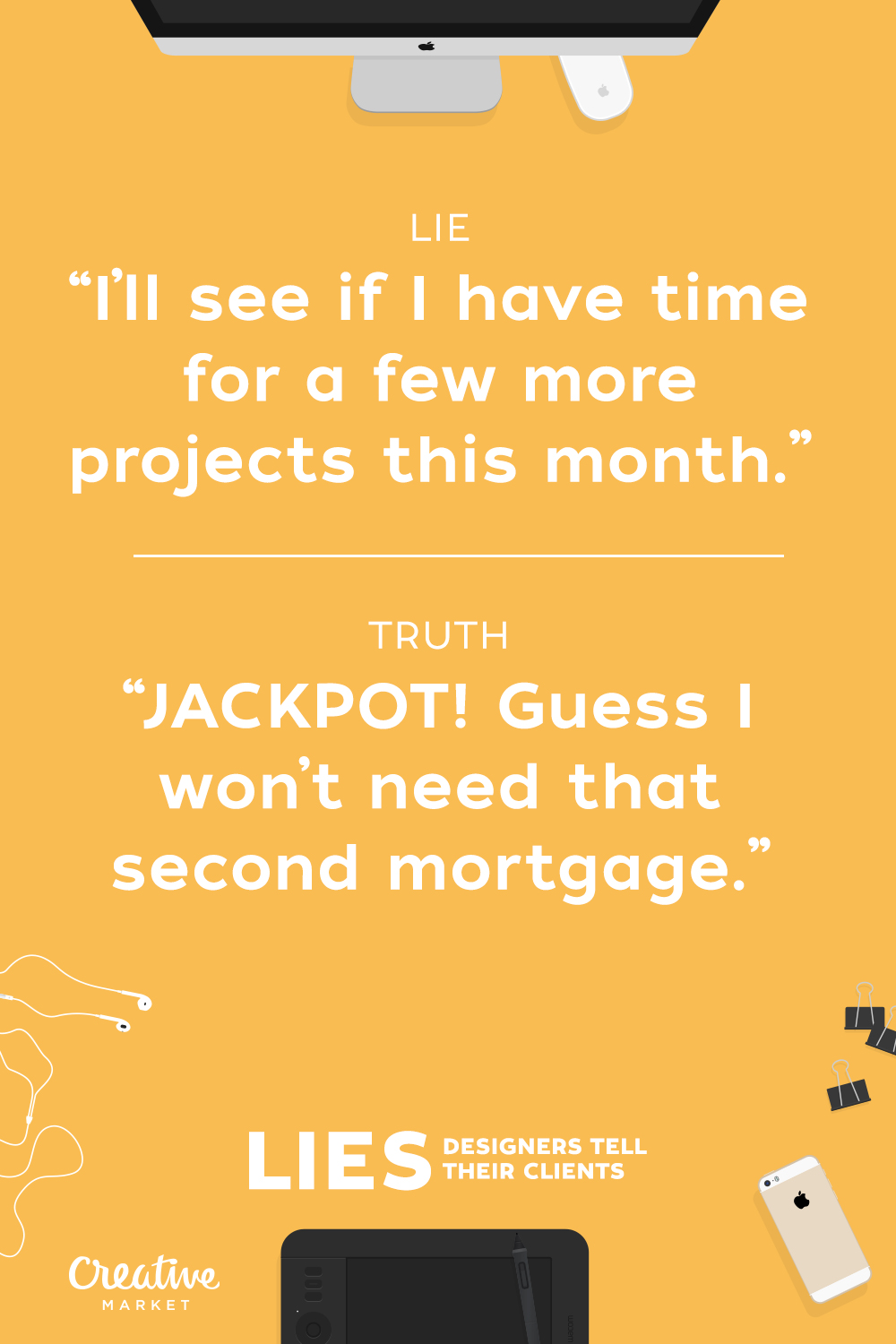
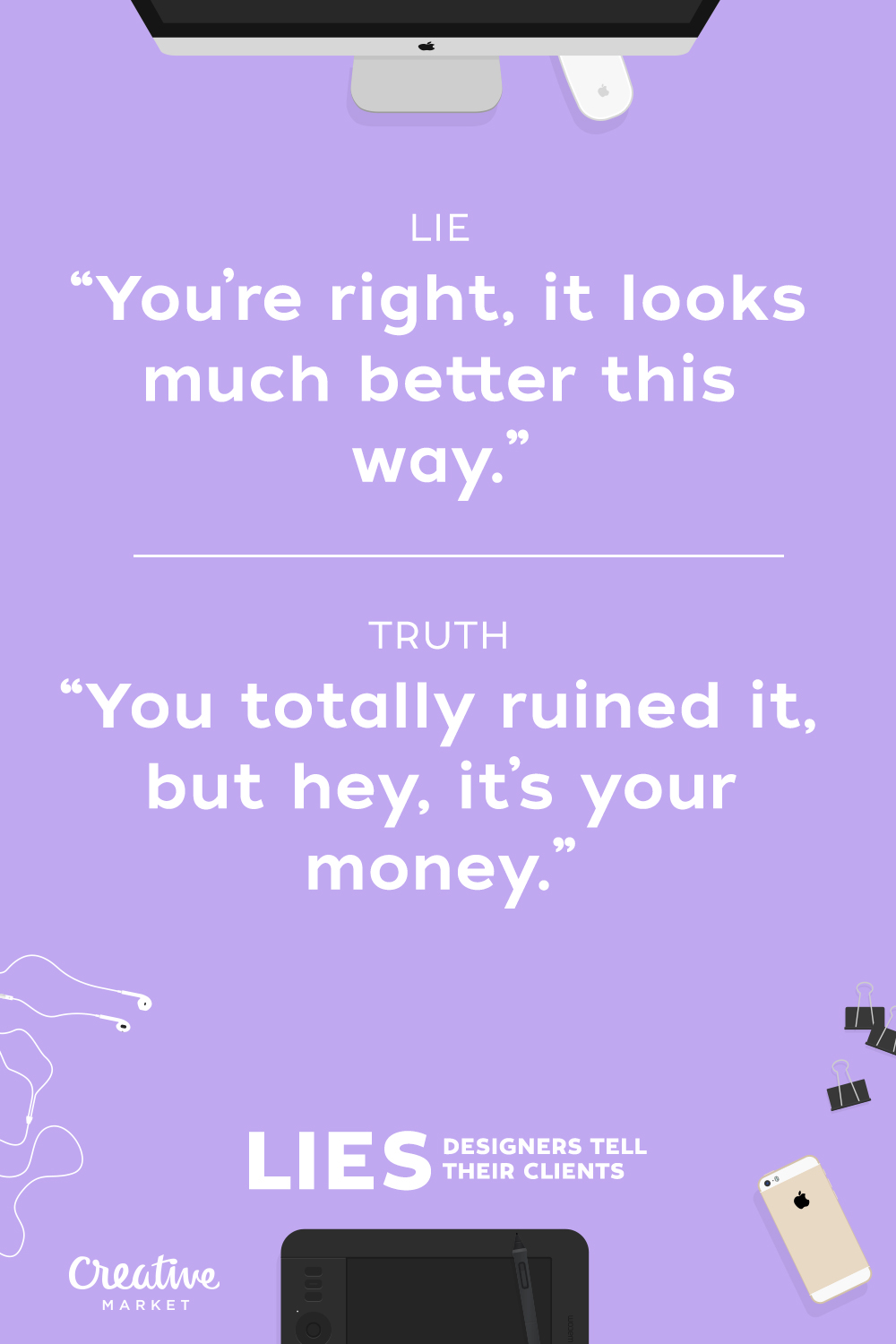
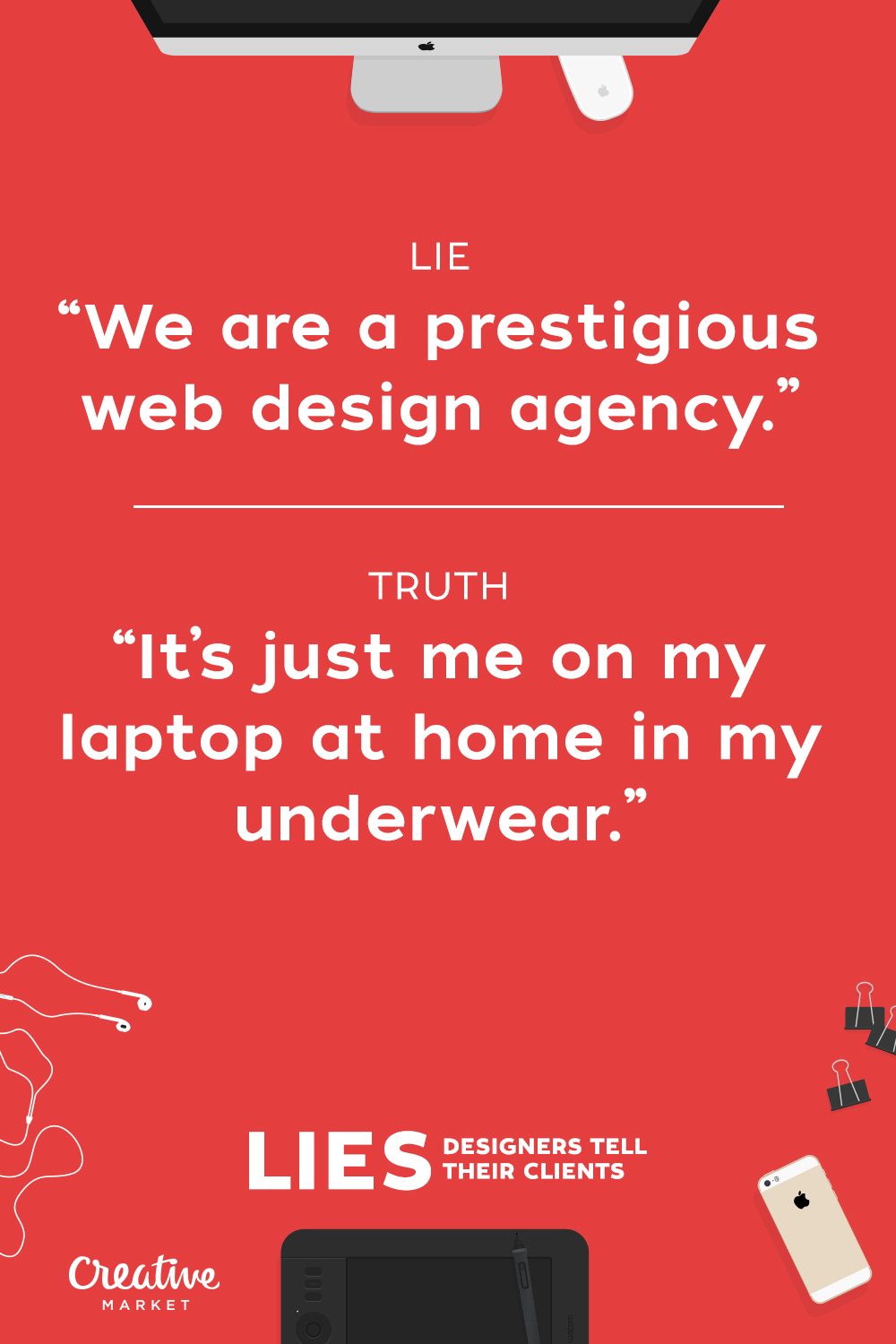
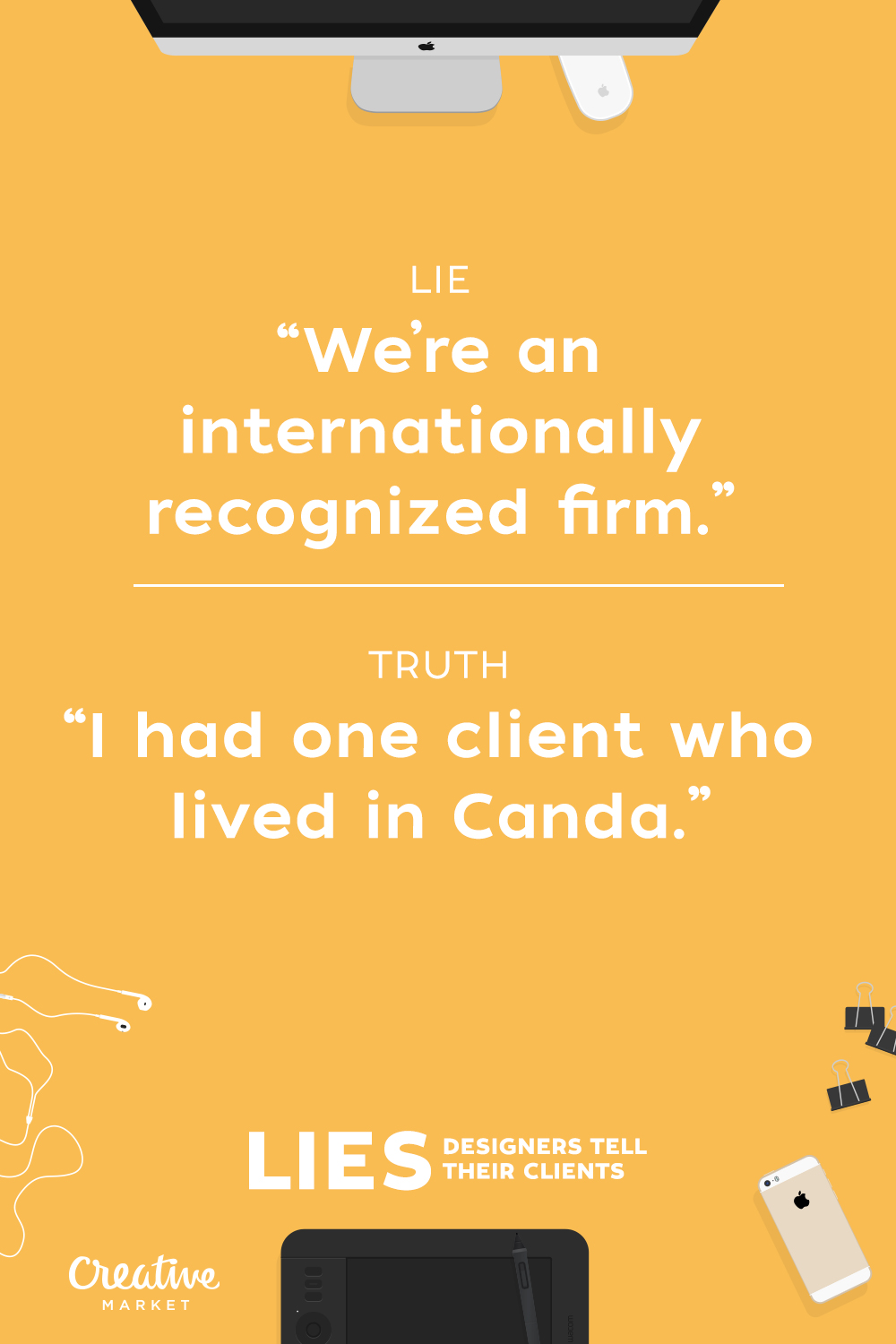
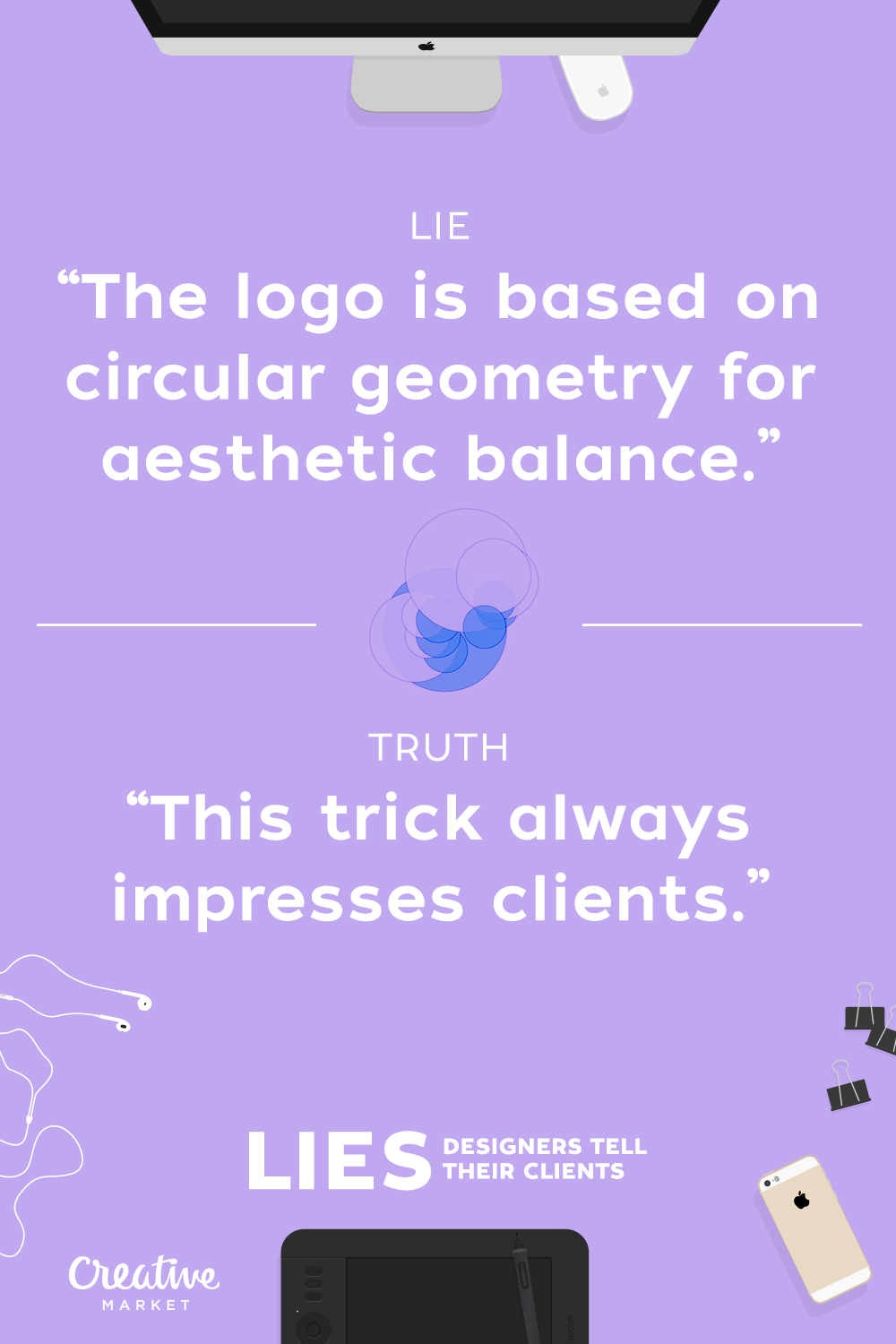
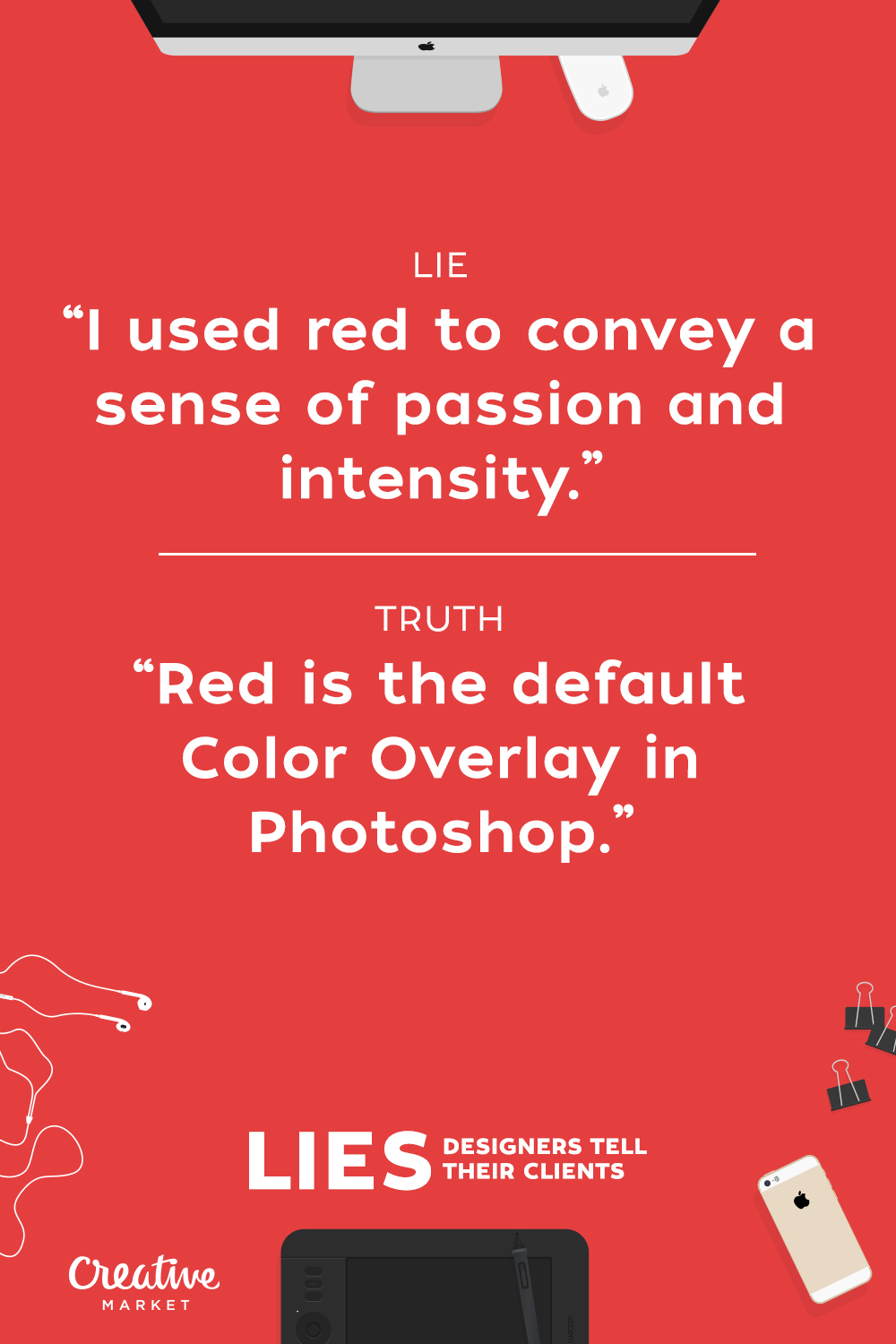
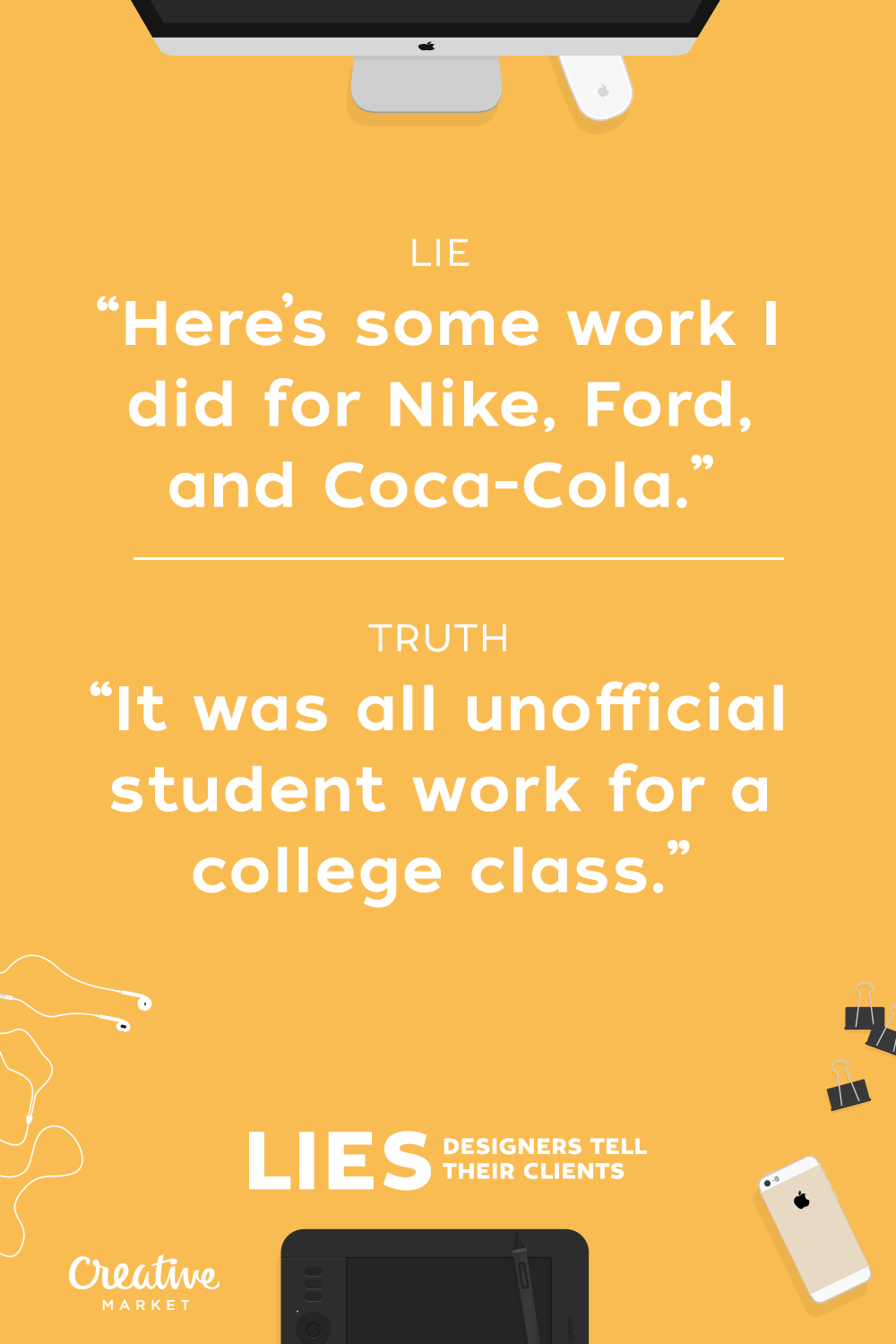
Some clients are amazing, others, not so much. No matter who your clients are though, I’m willing to bet you’ve told a few little white lies to them over the years. Nothing big, just a harmless little fib here and there. To prove it, we created a series of funny posters that show some typical designer lies and “half-truths.”
If you see a lie you’re guilty of telling, Pin, Tweet, or otherwise share it out. If you don’t see one that you relate to, write a new one and share it out on social media with the hashtag #designerLies. Remember, a little confession goes a long way!

Products Seen In This Post:


20 Lies Designers Tell Their Clients
How To Convince Clients It’s Time To Redesign Their Websites

One of the joys of being a freelancer is that, if you do your job, you’ll have clients who stay with you year after year. It really is nice to know that people appreciate your hard work and that you have built a trusting relationship.
After awhile, you might start to notice that some of those clients may be in desperate need of a site redesign. No, it’s not that the site you designed is that bad. But, after several years and several advancements in technology, a site may simply become outdated.
Personally, I feel like with each passing year I become better at what I do as both a designer and developer. A site I designed 5-10 years ago usually won’t measure up to the standards I have today.
Image Source: Retro Operator via Shutterstock.

Heck, there are times when I look at something I did one or two years ago and say "Wow, I wish I knew then what I know now. I may have added feature X or used script Y".
So, there are definitely selfish reasons for discussing a redesign. Both in terms of putting your best work out there and, of course, bringing in more revenue. That said, there are also times when outdated websites can have bad consequences for your clients.
Outdated websites leaves your client susceptible to:
- Being bypassed by the competition.
- Wasting precious time and money updating an old static HTML site or one with a clunky CMS from 2001.
- SEO penalties from algorithm Google updates.
- Possible security holes from outdated software or scripts.
- Missing out on social media integration.
- Failing to serve mobile visitors with a device-friendly version of their site.
- Lack of browser compatibility.
What To Do About It
Perhaps the best way to approach your client on the subject of a redesign is to schedule some time to talk in person. You might even go that extra mile and buy them lunch.
When the subject of their website is brought up, tell them that you really believe they could benefit from a new website. List the benefits, including:
- Save money and become more efficient with a new CMS such as WordPress.
- The ability to create a custom template and functionality for mobile devices.
- Take advantage of newer technologies to add new features.
- Social media usage to increase the awareness of their brand.
Of course, the list can go on and on. The idea is to whet their appetite for what they are missing out on. From there, show them examples of some of your recent work. Point out specific features or layouts that you think may truly benefit your client. Explain how your other clients are using new technologies and how it has helped their business.
Keeping Their Budget In Mind
Your client may just be thrilled to hear about the latest and greatest you have to offer. Selling them on your skills is essential. But even more important to your client is how much the project will cost. Convincing them to spend money is always the bigger challenge.
One of the ways I like to present the idea of a redesign is to think of it as an investment in my client’s business. The investment isn’t just about a fancy-looking new site, it’s also about functionality and how it can potentially increase sales and make life easier.
Particularly for clients who spend a good bit of resources updating their site (whether they do it or pay you to do it), it’s a good idea to point out the cost savings of using WordPress, etc. This may not be as relevant to a client who just redesigned their site a couple of years ago. But, if we’re talking about clients who have gone 5+ years without a redesign, the cost savings argument can really convince them to go ahead with the project.
Most everyone you deal with will eventually ask you "How much does this cost?". It may be a good idea to have a rough draft proposal on hand. That way, you can give them a ballpark figure and still give yourself wiggle room depending on what the client wants to do.
In Conclusion
When you have a free moment, take a look at your portfolio. Study some of your older work and pick out a client or two who you feel could really benefit from a redesign. Go over their sites with a fine-toothed comb and figure out what it is they’re missing out on. Then, schedule some time to chat.
If you’ve built a trusting relationship, then they are more likely to really listen and consider your proposal. Be confident in what you say and don’t make promises you know you can’t keep. Just give them your best, most honest pitch. You just may end up with more work than you know what to do with (which could always be the subject of another post). Good luck!

The post How To Convince Clients It’s Time To Redesign Their Websites appeared first on Speckyboy Web Design Magazine.
How To Convince Clients It’s Time To Redesign Their Websites
Thursday, May 21, 2015
"Make It Pop!" Five Ways to Up Design Impact and Make Clients Happy
“Make it Pop” is probably the most feared, incomprehensible and downright horrible phrases in the English language. Designer English, that is. Clients often use the phrase “make it pop” when a logo or marketing design is close, but not quite at the level of “punch” they are looking for. “Make it pop” generally refers to making a logo or design brighter, larger, more prominent or giving it higher levels of contrast. In short, the client is looking for more impact from the design. While designers know what “making it pop” means, they may not always be sure about the most effective and efficient route to making it happen. Here are five targeted ways to make designs “pop” and ultimately make clients happy.
1. Dial up the color intensity
“Making it pop” may require minimal work, especially if the client indicates that they are pleased with the overall design and font choices. If this is the case, play with existing color hues and intensities. Try more saturated and vibrant tones, being mindful of bringing out contrast in key areas to draw the eye around the design appropriately.
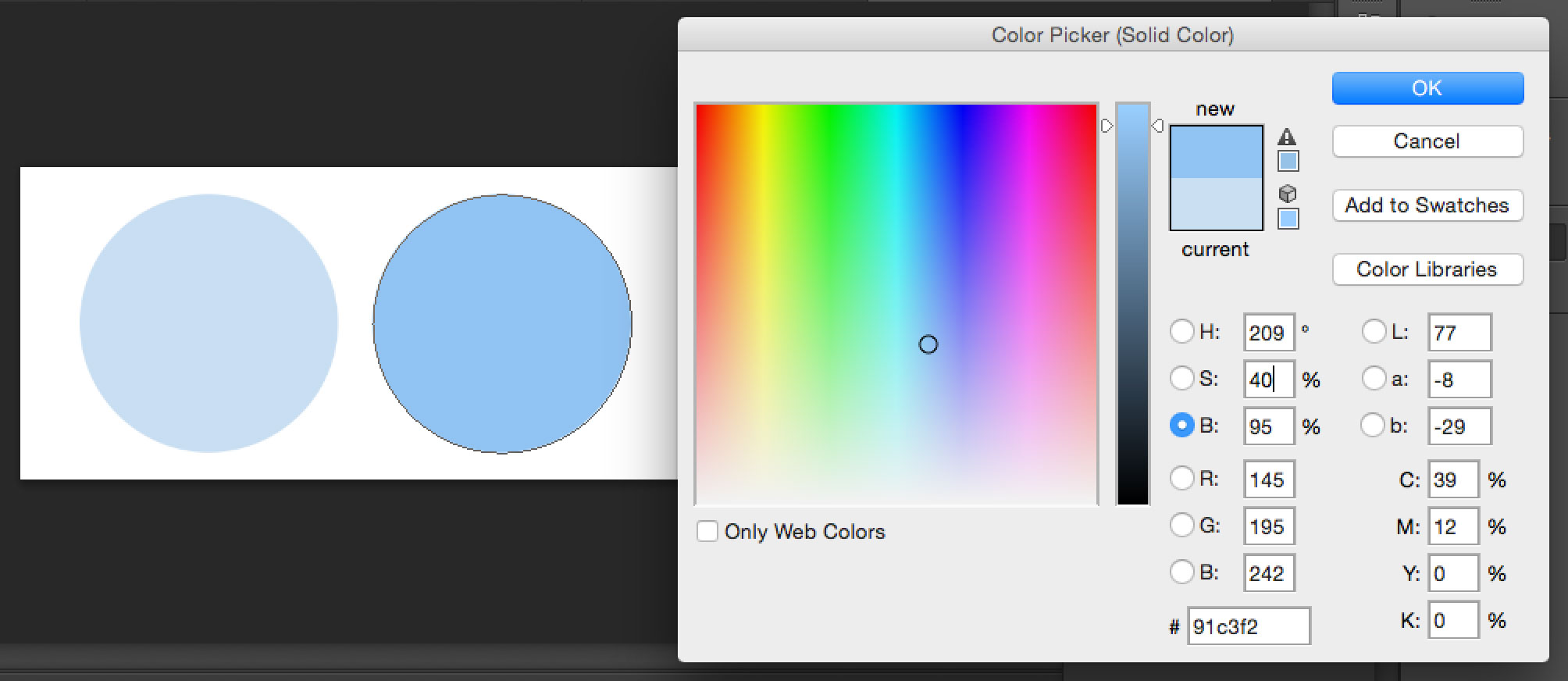
Available in the Adobe color picker, the HSB (hue, saturation, and brightness) color model is based on the way the human eye sees color. Try increasing the S (saturation) percentage next time you are trying to dial up a color’s intensity.
2. Try different color combinations
If the client is less satisfied with the overall color direction, change it up; take the logo or design in three or four completely different color directions for the client’s review.
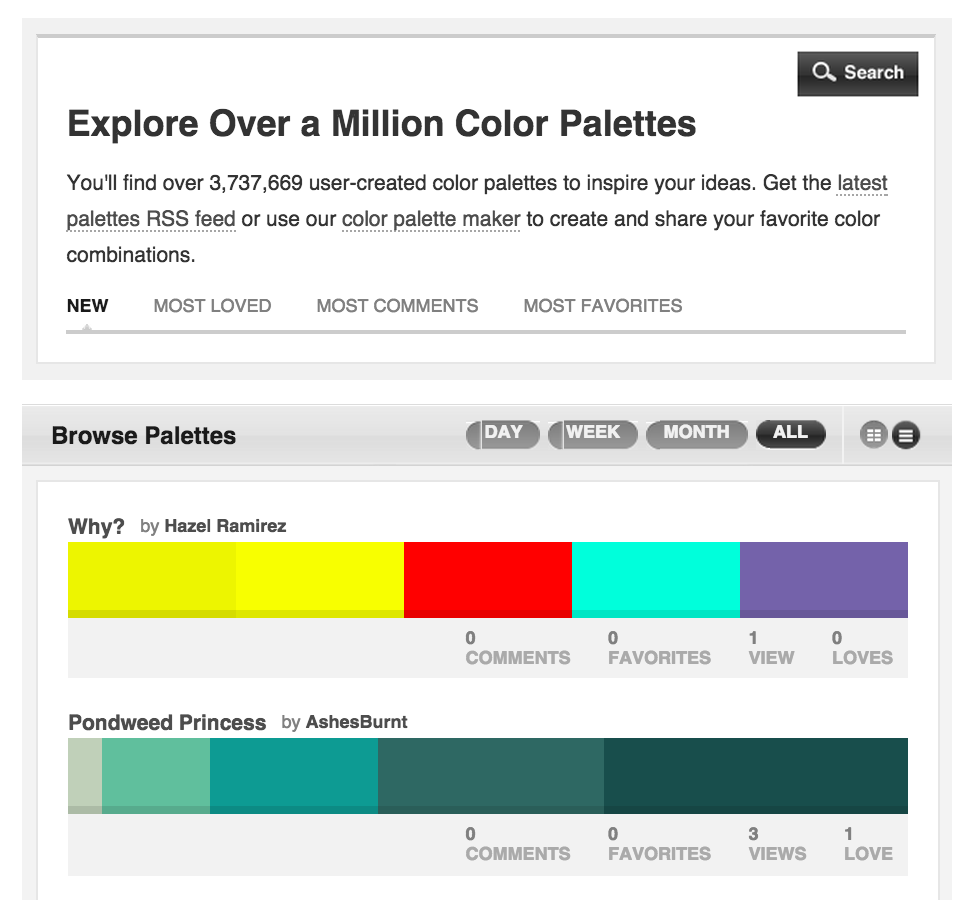
Colourlovers.com can help any designer find an attractive palette while sourcing inspiration from thousands of designers around the world.
3. Play with text hierarchy
When a client asks a designer to “make it pop” they may actually just want part of the included text to appear more prominent than others. Try changing around the font sizes in the piece to experiment with text hierarchy; doing so could be just what’s needed to bring the perfect amount of “pop.”
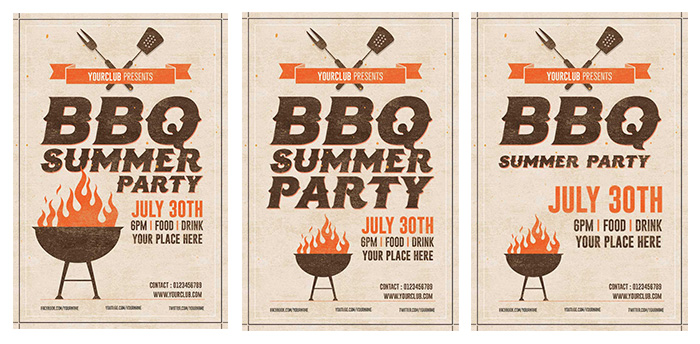
Don’t be afraid to experiment. Gauge the importance of specific words in your design and play around with their size and prominence. In this example, we’re experimenting with a summer flyer by shifting emphasis on the words BBQ, summer, party and the event date.
4. Try out a different typographic scheme
It’s possible that the current font selection just isn’t the right fit for the information or message the piece is trying to convey.
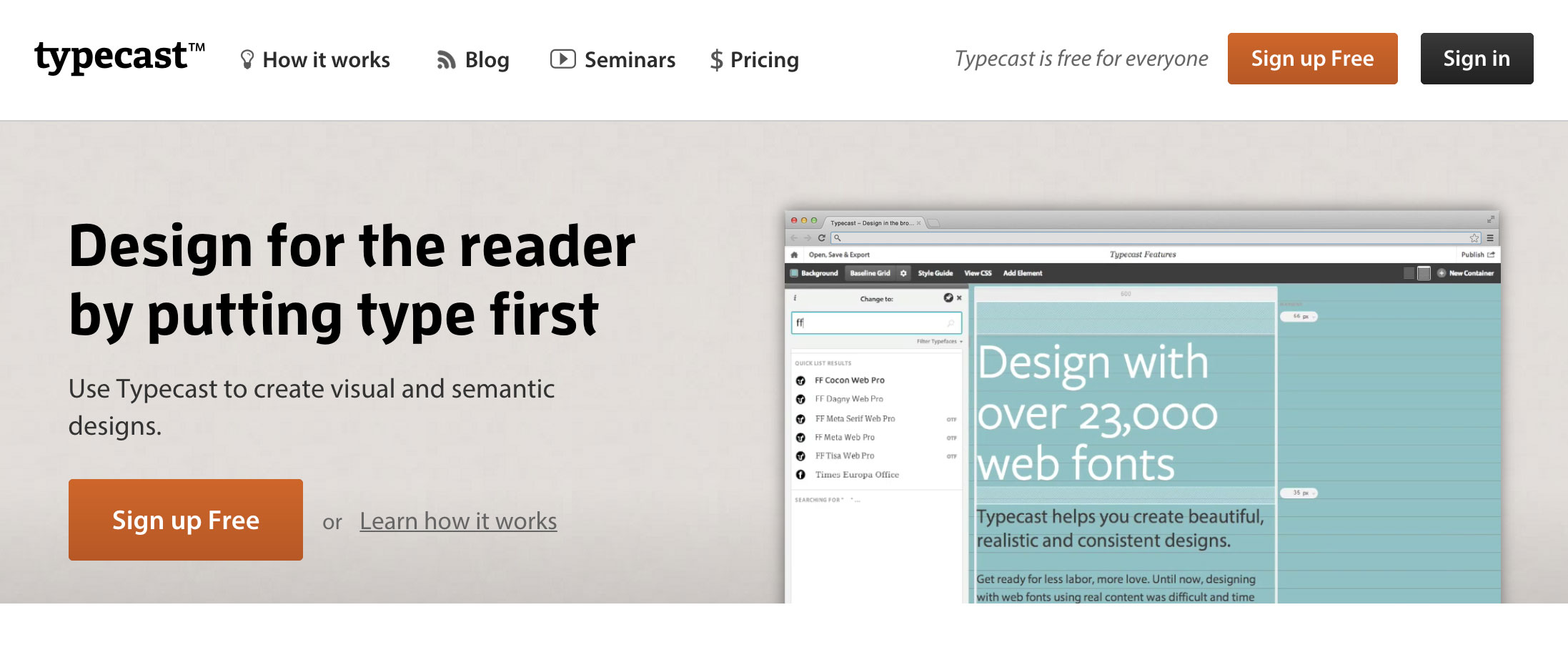
Try using Typecast.com to experiment with different font combinations and see how the changes affect the message being shared.
5. Introduce mockups
Sometimes a really great piece just doesn’t impact the client because it looks flat and unconvincing on the page or computer screen. Fortunately, designers can play with their imagination by inserting designs on a mockup product or scene to help give it a real-world context. Creative Market designers have created an amazing collection of mockup templates that can help make any logo or design really “pop.” Here are some of our top sellers:
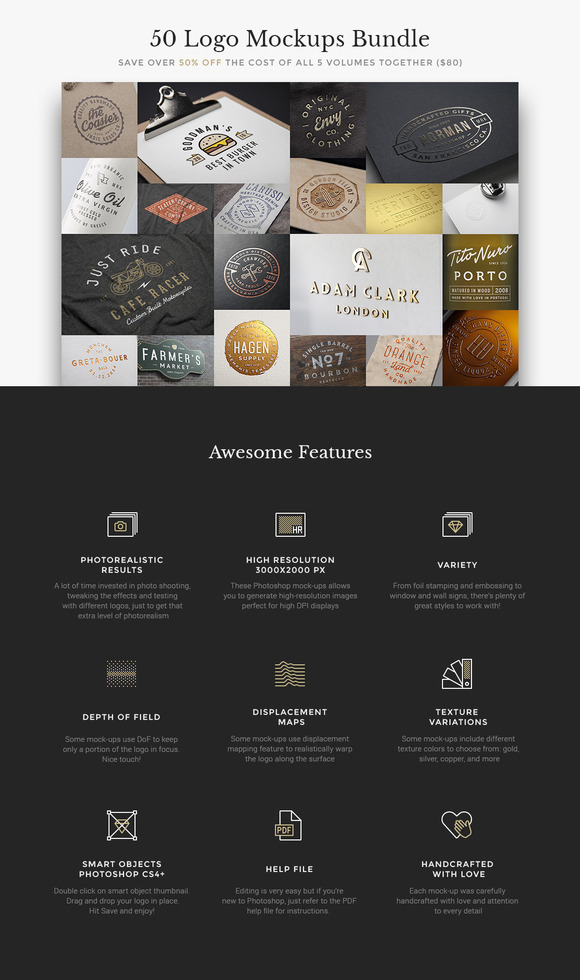
50 Logo Mockups Bundle
The mockup templates in the 50 Logo Mockups Bundle allow designers to show their logos on real-life products like clothing, bottles, signage settings and more.
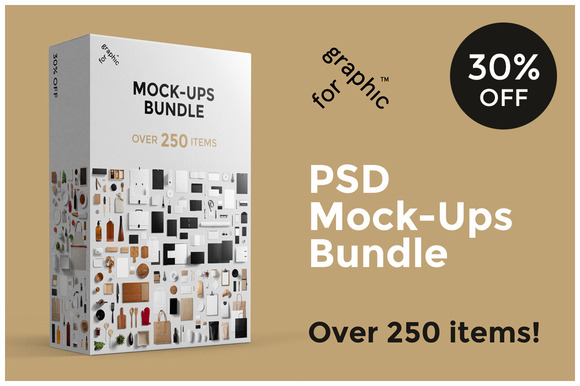
Branding Mockups Bundle
The professional photos in these templates allow designers to make their designs and logos truly pop with over 250 items and a variety of angles and perspectives to punch up the realism.
Magazine Mockup Pack
The Magazine Mockup Pack includes 12 standard view scenes along with seven close view scenes that can be fully customized for view, proportion, shadows, background texture and lighting.

100 Signs & Facades Mockups
For designers specializing in outdoor sign design, this pack of templates allows signage to be viewed from a variety of angles on glass, awnings, brick, marquee-style signs and more.

Helping an existing design “pop” can be a simple task; however, becoming more efficient at finding the best route for the optimal amount of “pop” takes practice. The use of intuition along with gaining experience in the design world will help. Try these five key techniques and let us know if they help overcome your next “make it pop” situation.
Products Seen In This Post:
"Make It Pop!" Five Ways to Up Design Impact and Make Clients Happy
Friday, May 15, 2015
5 Ways to Tell Your Clients Their Website is Hideous
When it’s time to be honest with a client, every designer gets a little nervous. If we ignore the truth about the website, we risk the consequences that will come from a bad design. If we approach it the wrong way, we may insult the client and jeopardize the relationship. So how can we deliver the bad news that our client’s website isn’t up to snuff? Here are a few ways to handle the tricky predicament.
1. Open up and be honest
In the professional world, the truism “Honesty is the best policy” is a necessity. Although designers don’t have to insult the client’s taste, they should be as upfront as possible. Try to use honest phrases like:
- “The website design would be so much better if we tried (this).”
- “Although I’m sure you like your website, users may click away because of the unfriendly design.”
- “The website isn’t clean and will confuse the end user.”
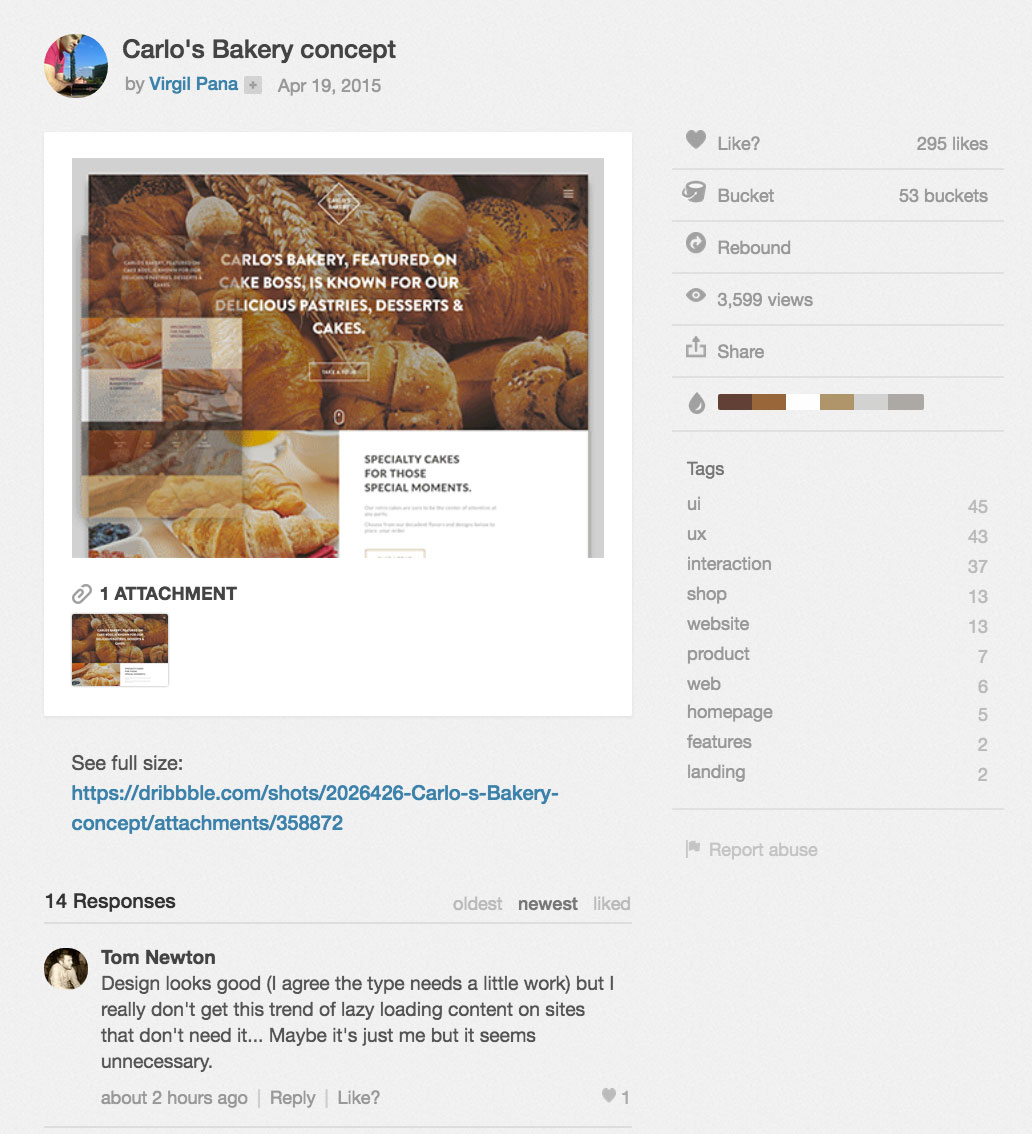
To get an idea about the types of respectful, objective comments that you can share with your client, take a look at the conversations that take place beneath every Dribbble shot.
2. Use data to convince the client
Designers should ask for access to Google Analytics (or similar analytics platforms) and use the numbers for their argument. Try looking at bounce rates, time spent on the page and how many pages visitors view per visit in order to try to come up with a solid argument against the unattractive website.
At the beginning of the project, ask the client what they hope to achieve with the new website. Use data to showcase how modifying the site’s design will help them achieve these goals. Take things a step further and find other case studies online that encourage an improved design to back up the rationale for change.
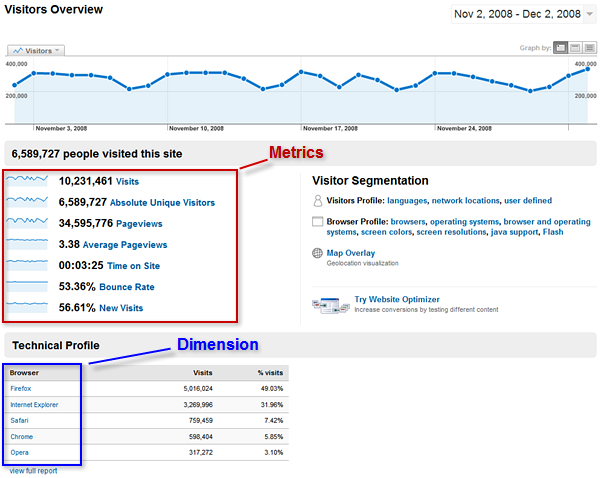
A metric is a numeric summary of users’ behavior as they visit your client’s website. The bounce rate, for instance, summarizes the percentage of single-page sessions to the site.
3. Discuss current best practices
Getting the client to change their website may mean helping them become more informed about best practices.
One great point: Google’s search results will demand a mobile-friendly website for SERP results. If the client does not have a mobile-friendly website, use this opportunity to argue the importance of having a responsive website (and modern design). Website has too many menus? Show the client a clean, updated website that simplifies navigation.
Sometimes, inspiring a scattered client with a competitors’ new website could make them consider what their own site could look like. This can make closing the deal much easier for the designer.
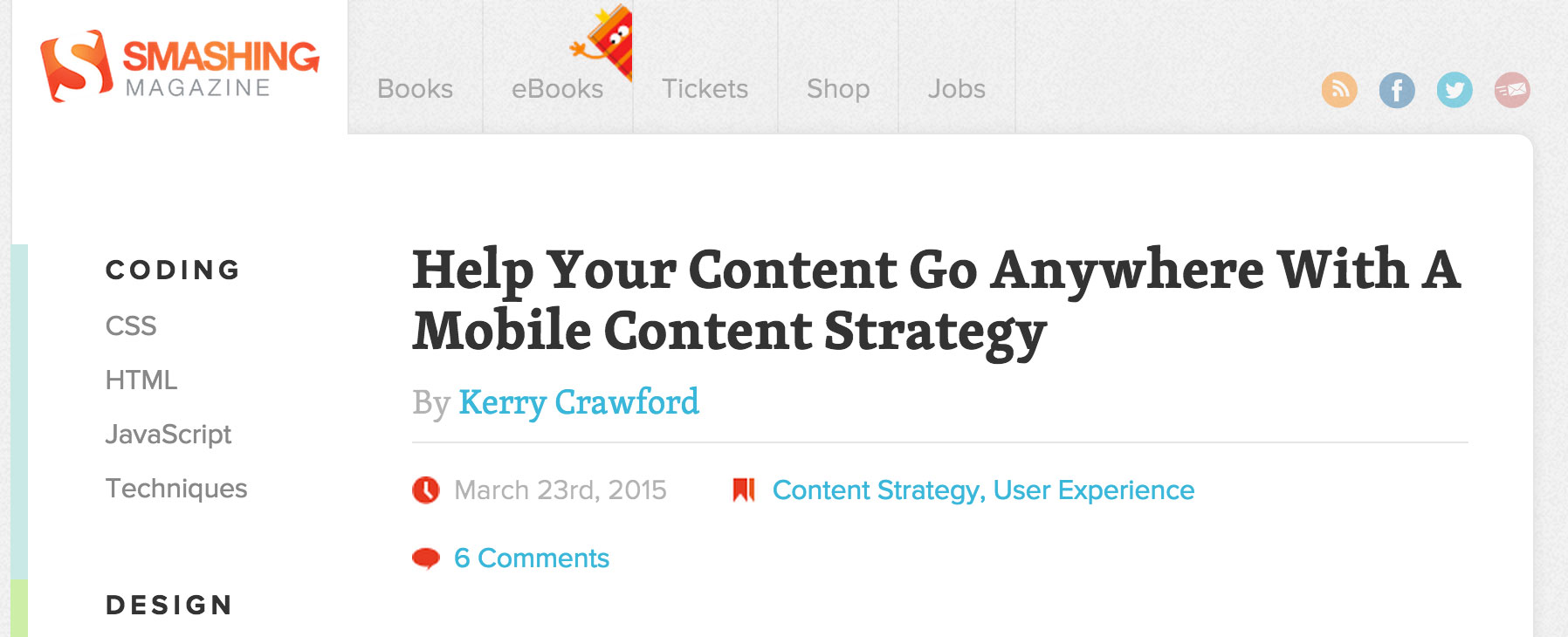
To stay informed about the newest best practices in the web design industry, follow sites like Smashing Magazine, Designer News, Web Designer Depot, and the Creative Market blog.
4. Use examples of better designs to point out flaws
Sometimes bad news are better when delivered with a solution. If the client is stuck on the hideous website, try to find similar designs that would be an upgraded makeover. Point out the flaws in their current design, but be prepared with a few mockups to make the transition smoother. If a designer has a client who is still amused by their current design, ask why they’re attached to it. Compromise by incorporating a few of those features in the mockups. Eventually, you will be able to come up with a design that works for everyone.
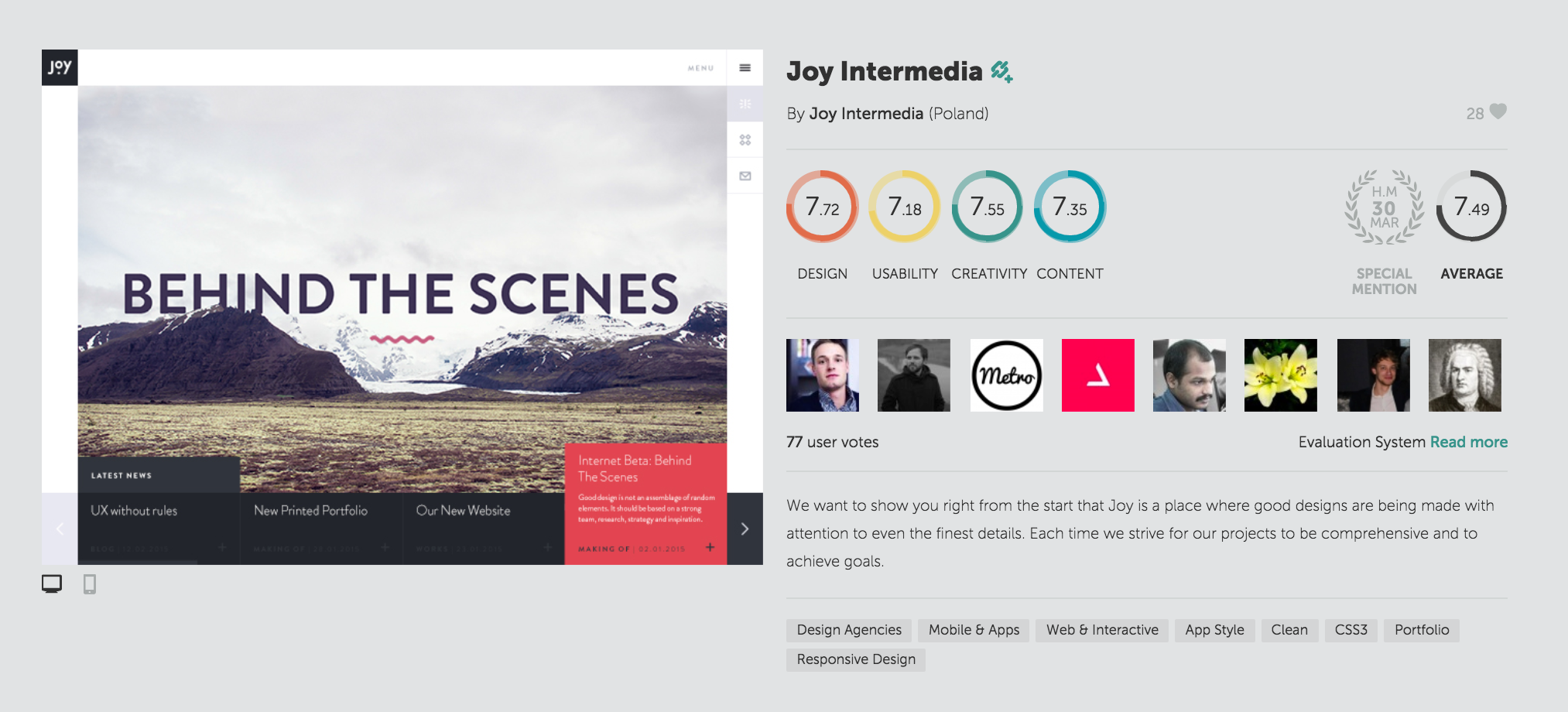
Sites like Awwwards and Dribbble constantly feature the best web design concepts out there. Follow them to feed your inspiration daily.
5. Play the expert card
Designers may feel uneasy about reminding their client of their expertise, but they were hired for a reason. Try to explain that paying for website upgrades is an investment, not a waste of money. The ROI will prove it. Show examples of similar websites that have had usability or search engine problems and compare the client’s websites to those. Use previous projects in your portfolio to provide evidence that your judgment and skill-set have succeeded in the past. If you are honest and open about your areas of expertise everyone will be better off.
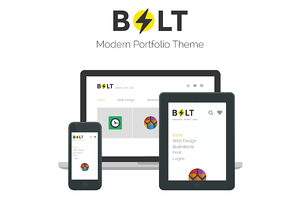
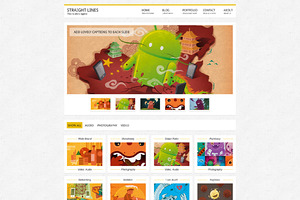
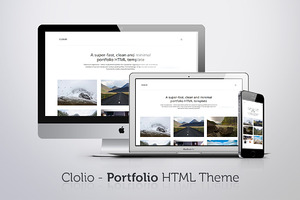
To make it easier to share your expertise without sounding arrogant, build a personal portfolio site that displays previous successful projects. The following are great templates to get started:
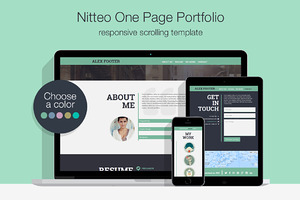
A client who is resistant to change may frustrate everyone involved in the project. Clients can get attached to the status quo, and if your goal is to bring truly impactful change, then learning how to communicate what isn’t working will be an essential skill to master. How do you handle telling your client the bad news?
Products Seen In This Post:

5 Ways to Tell Your Clients Their Website is Hideous
Subscribe to:
Posts (Atom)