
Creative Mind is a fresh UI kit with stunning look and great functionality. Free PSD designed and released by PixelBuddha.
The post Creative Mind UI kit appeared first on Freebiesbug.

Creative Mind UI kit
Creative Mind is a fresh UI kit with stunning look and great functionality. Free PSD designed and released by PixelBuddha.
The post Creative Mind UI kit appeared first on Freebiesbug.
The web is a monster that’ll devour all the time and energy you give it, and then some. The sheer amount of time-wasting opportunities that are literally a click away makes using the web surprisingly like walking through a minefield. You’re hopping online to quickly gather some resources for your next design or to research a new technique – and before you know it, hours have passed by with you getting nothing done except watch funny videos. How do you combat this?
Now, we all know our human self-discipline is about as strong as a skinny toothpick. So these following methods keep that in mind and offer something simple and realistic you could do. No, it won’t “completely change” the way you work or whatever. But it will offer a small action you can start doing to get better at not wasting as much time on the web. Little by little, you’ll get better and eventually form a habit of rocking the web without letting it eat away at your time and energy.
“If you don’t know where you are going, any road will get you there.” – Lewis Caroll, Alice in Wonderland
This is the biggest way to combat the time- and energy-sucking web monster, especially in the increasingly always-connected world. When you have the web available for anything and everything at any time, it’s easy to hop on for a minute and quickly waste away an hour.
By having a purpose before getting online—research something, gather resources, email clients, contact prospects, send invoices—you can help yourself avoid wasting time.
It’s really easy to fool yourself into thinking you’re being productive, when in actuality you’re not using your time effectively. You could be reading design blogs on random techniques and ideas that are sort of related to what you’re doing, but you don’t need that information right now (maybe even never). In other words, you’re collecting “just in case” information.
You know, the kind that looks possibly-useful-in-the-future-at-the-time but quickly fills up your bookmarks, you forget about, and if you ever need the info again you end up having to re-find and re-research it? What a tricky and deceptive way to waste time.
Why is this? Because it’s easier to passively read than to actually complete a meaningful task. Especially with the huge abundance of information that looks really useful (and is to those specifically looking for it, but definitely not to you if you don’t need it at the moment).
So how do you combat this? By sticking to only finding “just in time” information. It’s what it sounds like – you only find and research something right before you actually need it. A client wants a specific CSS tweak or HTML5 addition that you’ve never done before? Only then is when you hop online to research it.
This way, you’ll avoid information overload and wasting time on seemingly-productive research that actually gets nothing useful done.
This is an extension of “just in time.” If you come across something that’s interesting or even relevant, but you don’t need it right at this moment, then don’t both derailing yourself by reading about and bookmarking it (which will just clutter up your bookmarks with random links – it might seem innocent, but it quickly adds up to a mess).
If you’ll need that info/tool/resource/product, you’ll find it again when you’re searching for “just in time” stuff. And if you don’t need it, then you didn’t bother wasting your time and energy reading about it and cluttering up your bookmarks by bookmarking it.
Yeah yeah, this is the “sounds good in theory but never works in reality” tip, and it’s pretty much useless for most people (just being honest here). Almost no one has the self-discipline to stick to self-imposed time limits.
That’s why you should consider using time management software. It’ll do the self-discipline time limit thing for you.
The reason this can help is face-slapping obvious. By having a time limit when using the web, you avoid spending too much time and are forced to get what you need done within a deadline – whether it’s to research a new design technique, find and gather resources, or whatever else.
The trick here isn’t so much to trick yourself into thinking that the game or video site doesn’t exist anymore. You’re not stupid – you know the URL and can easily type it in. But there are two reasons for deleting any bookmarks, links, and reminders of those unessential sites:
The web will happily suck away as much time and energy as you give it. At least now you’re a little more armed to combat it so you can use the web without losing your mind and time.
Now, that doesn’t mean it’s all-or-nothing. We’re not robots but entertainment-seeking humans, after all. It is nice to watch videos of cats running into things or our favorite guilty-pleasure show online – occasionally. Just like how you’d prevent wasting away hours on TV by setting yourself limits as to how much you’d watch (or limiting yourself to one episode of a show per sitting), you can set aside a block of time to waste away on the web in a guilt-free manner. Indulge in the funny sites and whatnot, then it’s back to doing your great design work you’re passionate about.
To recap, here are the steps to using the web without losing your mind:
Your turn: how else have you been able to effectively use the web without losing your mind and time? Share your favorite ways to combat time-sucking and pointless-web-surfing in the comments section below.
Image Source: Pixel Art People via Shutterstock.
The post Using the Web as a Designer Without Losing Your Mind appeared first on Speckyboy Web Design Magazine.
Despite Photoshop’s unrivaled feature set, everyone has a few extra things that they wish the app could do (especially web designers). Fortunately, Photoshop has a rich community of third party developers who are regularly churning out fantastic plugins and extensions to add all kinds of functionality. From faster image exporting to better guide control, here are 25 outstanding Photoshop plugins you should try.
Stop getting stuck with boring patterns or having to craft your own. With Super Spray, you can turn any .png images into a spray pattern. All you have to do is import the picture with the plugin.

Get high resolution screenshots of your full screen or selected areas in a snap. Just choose where to save, how to save it and take the screen shot.
This amazing timesaver plugin allows you to rename multiple layers at the same time, use find and replace in naming layers, live name filtering and autocompleting from a list of used names. This is an essential tool for easy name changes and editing.
This Photoshop Extension will cut your time making design mock ups and wireframes in half. It comes with loads of UI staples (buttons, sliders, comment boxes, icons, etc) in a variety of styles and colors. With just a few clicks, you can whip up a beautiful prototype of an entire web page.

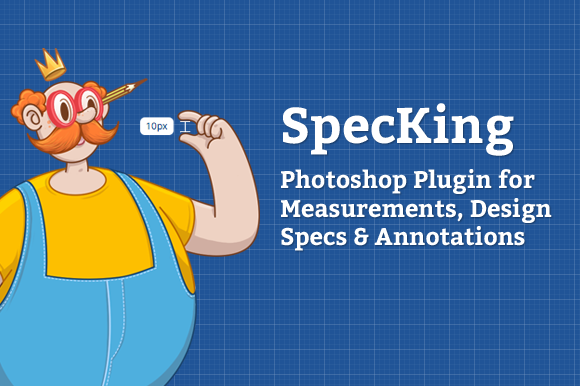
Get precise measurements fast. SpecKing gives you measurements of each layer with one click, or if you have multiple objects on a flat layer, you can use the selection tool to measure them.
This plugins allows you to quickly export any vector shapes to SVG files. You simply target a single layer or any group of layers, hit a button, and you’re ready to go.
Portraiture features best-in-industry skin smoothing algorithms and is a must-have for any professional portrait photographer. It’s hard to find a tool that has such impressive results with such little effort. At 0, it’s not cheap, but if you make your living as a photographer, it’s definitely worth the expense.

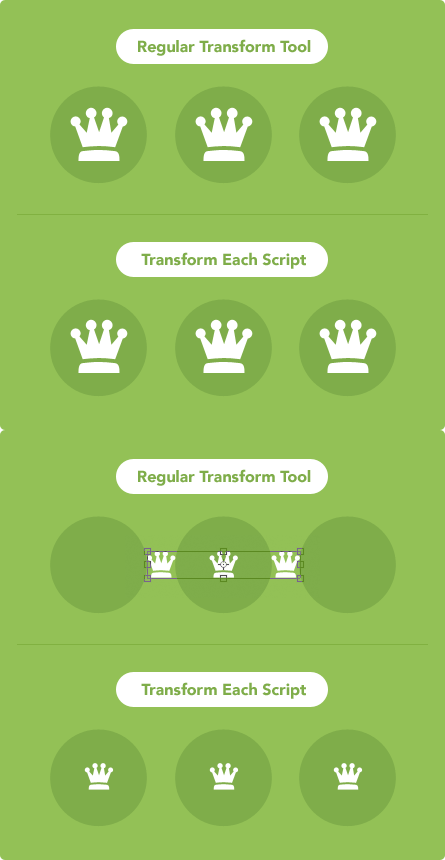
Transform Each allows you to transform multiple layers at once, but in a way that makes each item independent from the rest. This is great for resizing a group of objects without screwing up their positions.
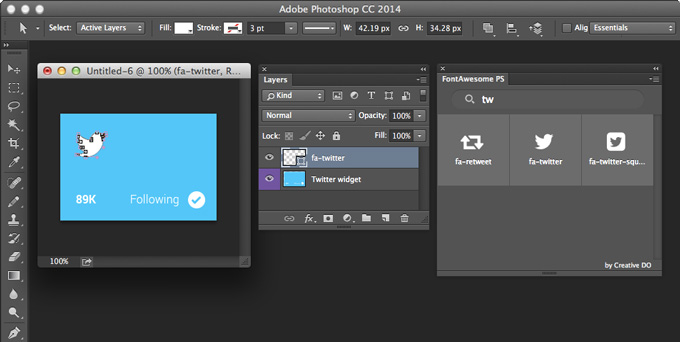
Font Awesome is one of the most popular icon fonts on the market and this plugin brings all those awesome icons into an easy-to-access Photoshop panel.
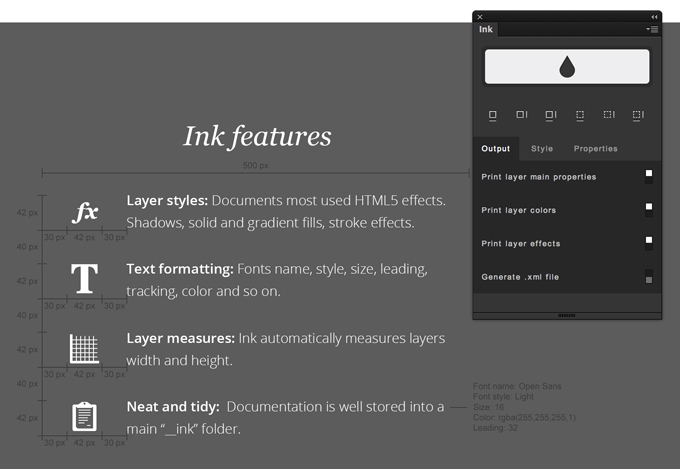
Ink allows you to include subtle information about crucial details like layer styles, text formatting and layer measurements.
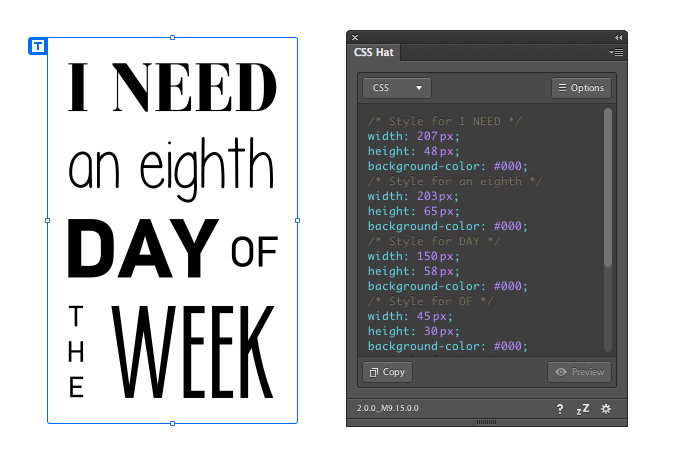
CSS Hat takes your Photoshop layers and gives you clean CSS code instantly. Photoshop now has similar functionality built in, but in my experience, CSS Hat is much more robust.
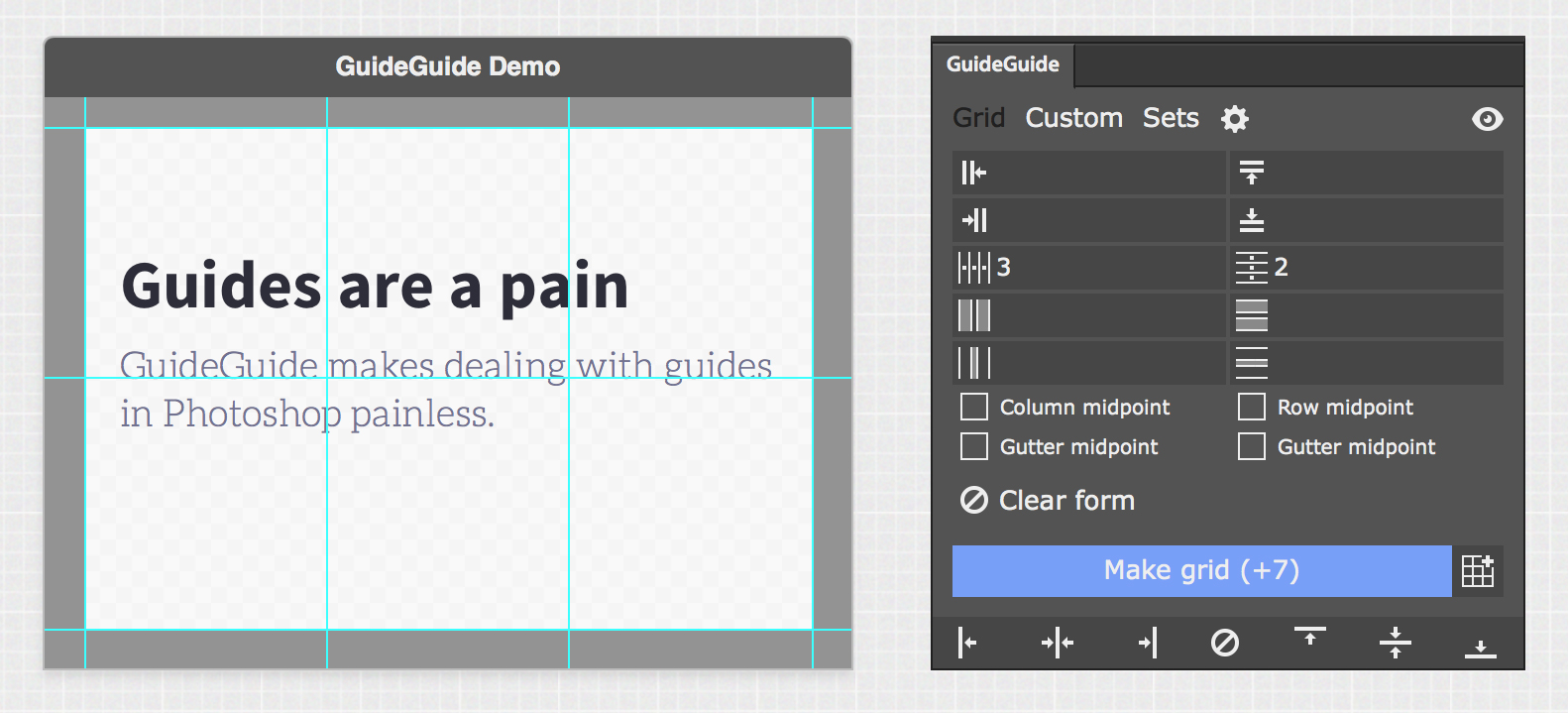
GuideGuide is the single best way to quickly lay down a complex guide arrangement in Photoshop. Like some of the other panels on this list, Photoshop has now added similar functionality, but I prefer GuideGuide’s interface, and since it’s free, why not give it a shot?
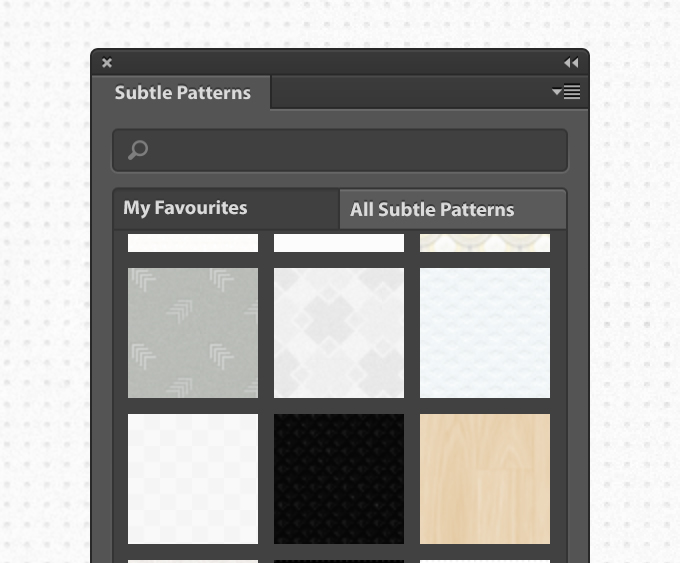
Subtle Patterns is one of the best sources online for free, simple background patterns. This plugin saves you countless trips to the website and puts the huge, ever-growing library of patterns right in your Photoshop.
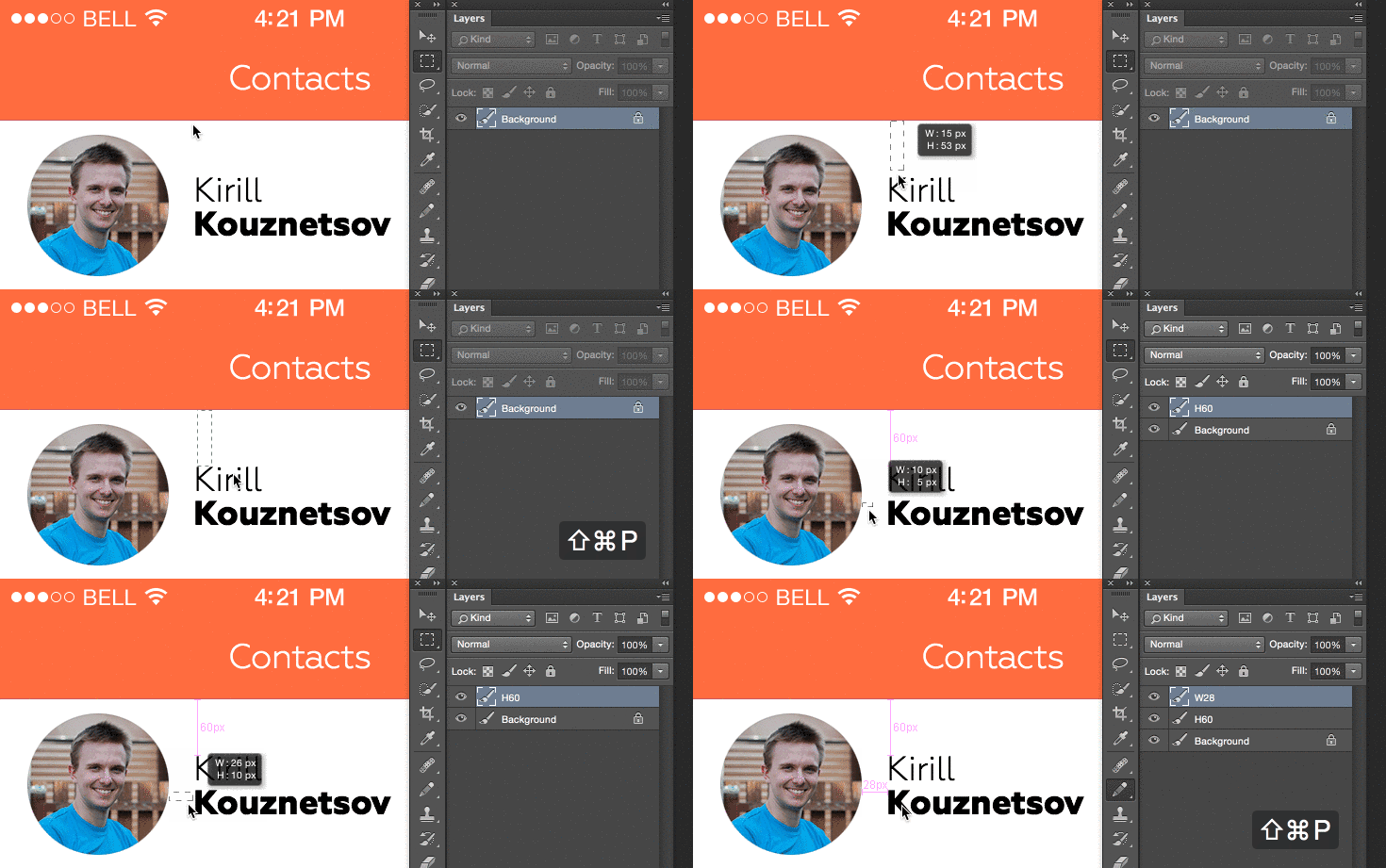
Size Marks is another useful tool for quickly placing measurement information onto your PSDs. Simply draw a box with the Marquee tool, hit a keyboard shortcut, and you’re done.
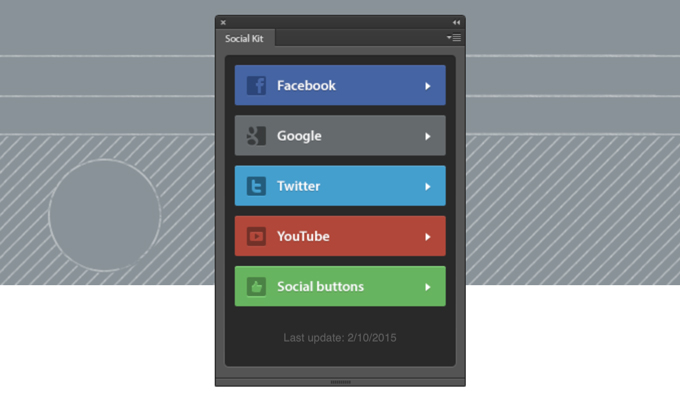
Make your social media site attractive with these great templates for Facebook, Twitter, Google+ and more.
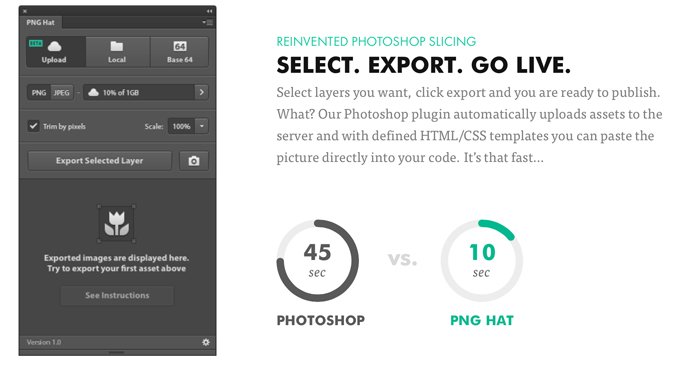
PNG Hat brings a ton of really robust image exporting features to Photoshop. It features excellent image compression and the ability to generate CSS, HTML, and even Objective C to embed your images into whatever project you’re working on.
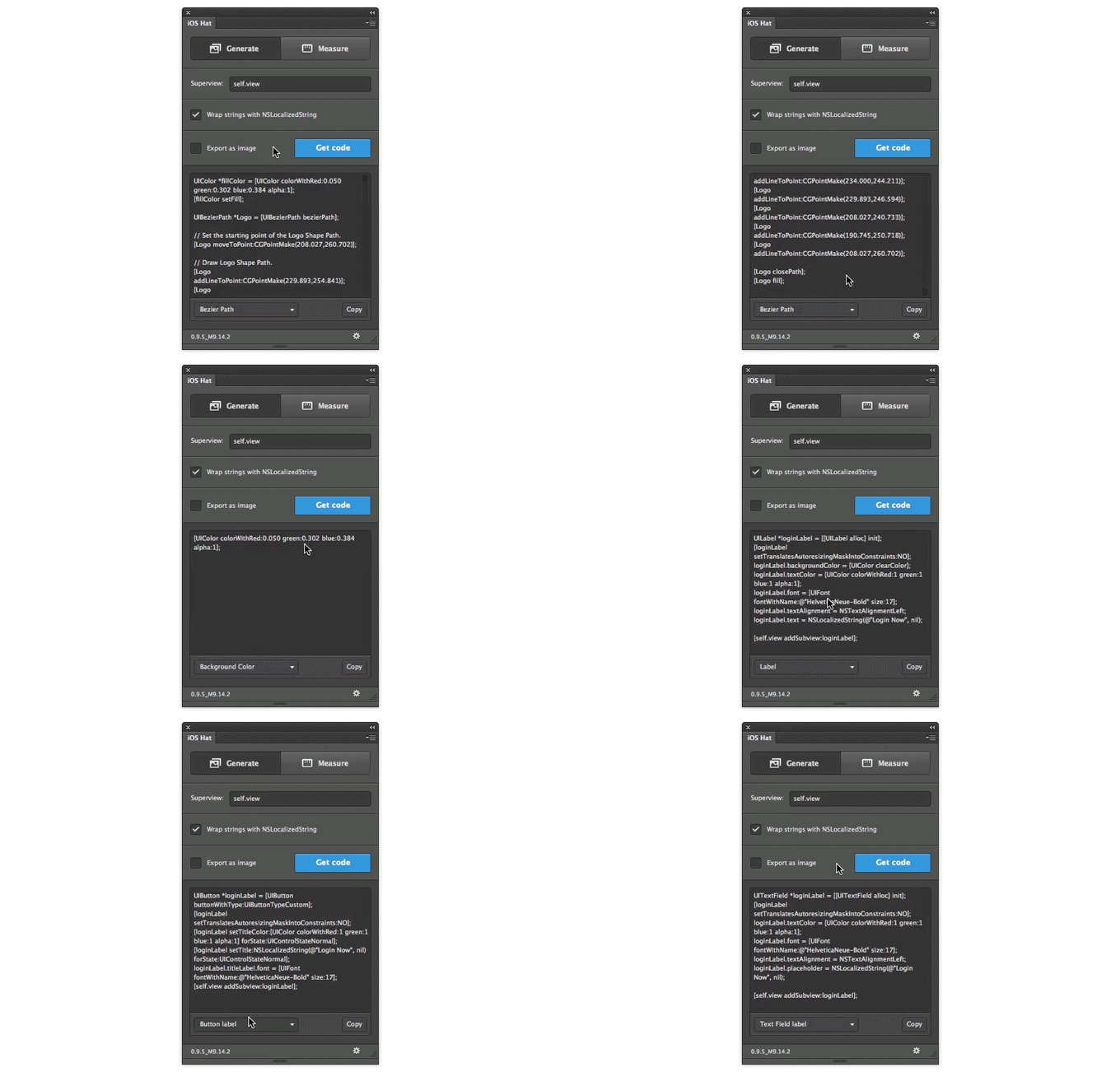
Yet another amazing plugin from Source’s “Hat” line. iOS hate is an essential tool for iOS developers that quickly converts Photoshop layers into Objective-C or Swift code.
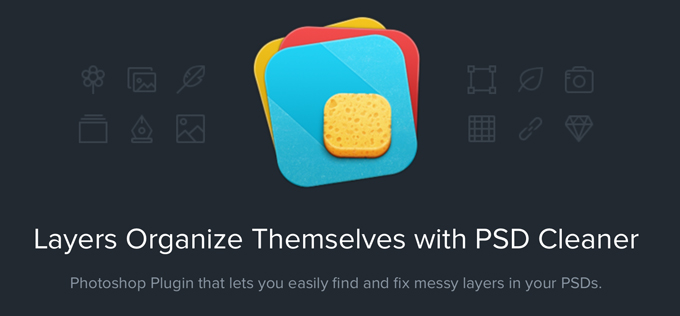
This plugin goes through and groups your layers for you. It alerts you to any problems and gives you a simple fix instead of trudging through layers.
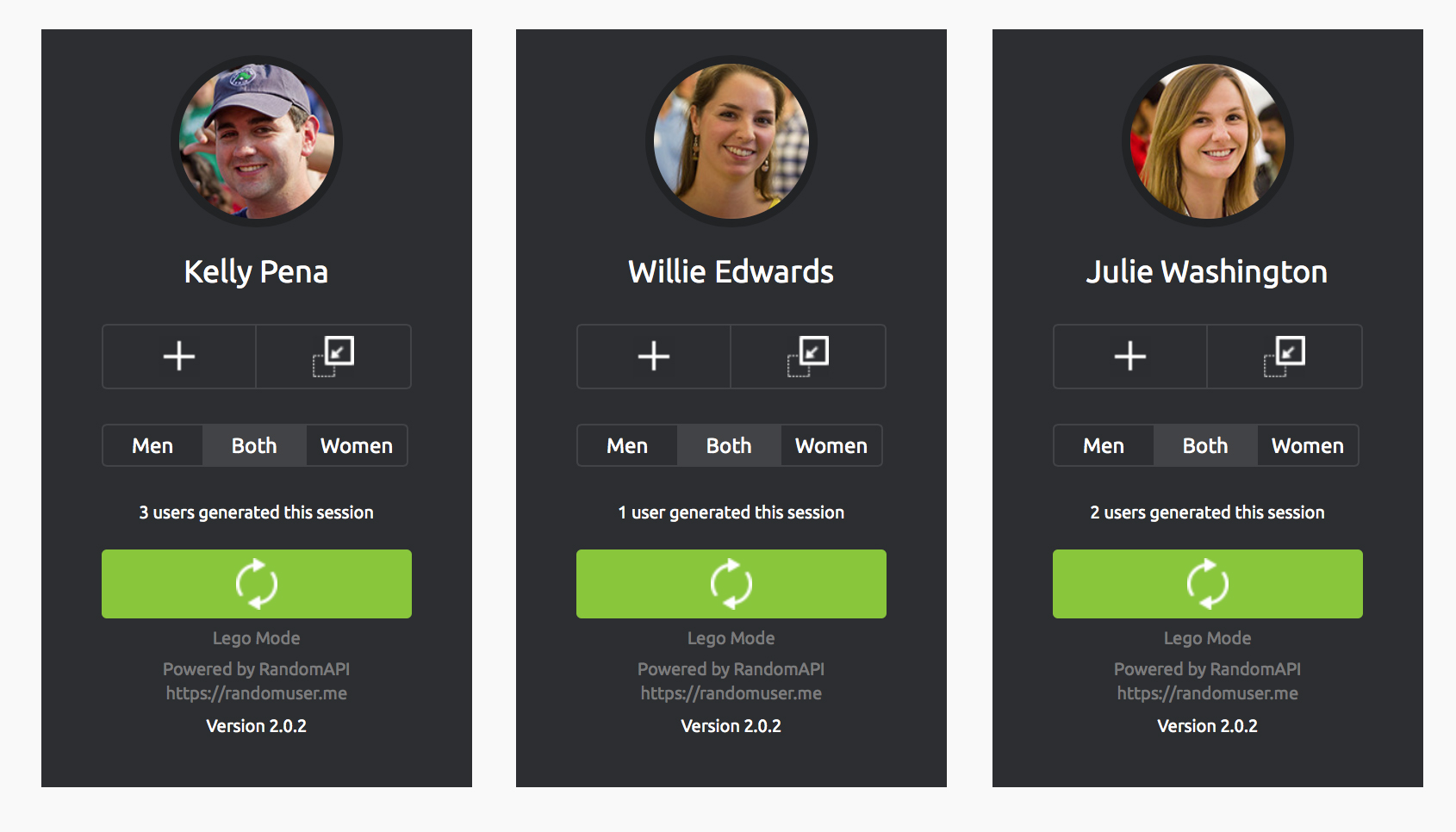
If you’re a UI designer, you’ve come up against this problem tons of times: you’re designing your app and you need some sample avatars for your comps. With Random User, great placeholder avatars are a single click away.
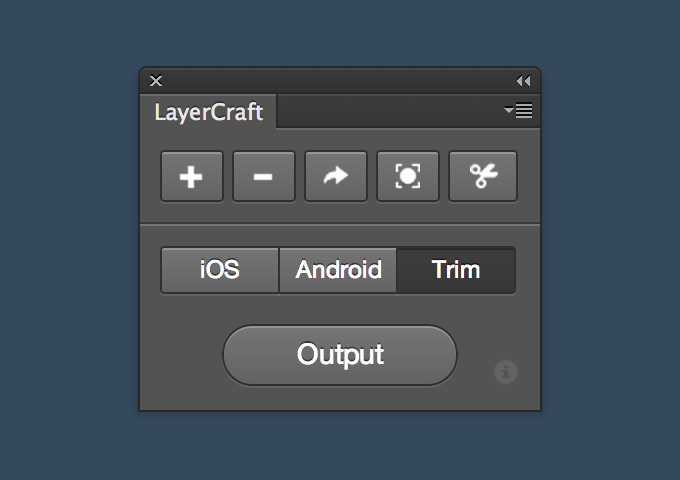
LayerCraft is a great little toolkit for preparing and exporting images. There are a few quick scripts like for trimming and scaling, as well as export options for 1x, 2x, and 3x size graphics.
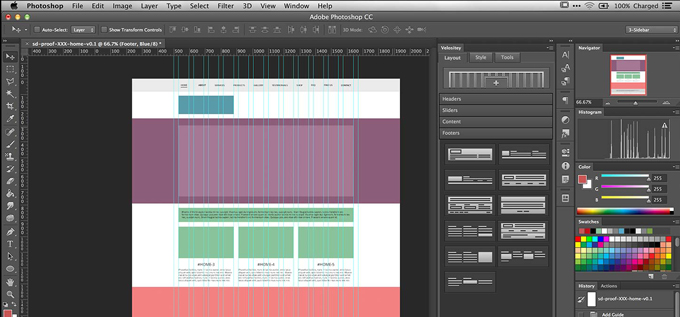
Another mockup tool similar to WebZap. The elements that it creates are less-styled than with WebZap, which is good for generic wireframes that you can add your own style and colors to.
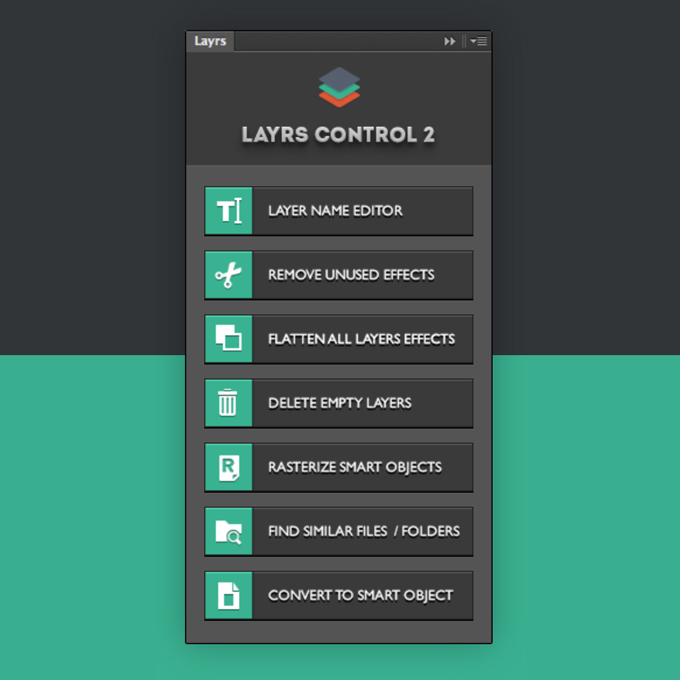
Layrs is a tool that helps your clean up your messy PSDs with seven useful scripts. It was created by Creative Market shop owner Vadim Sherbakov.
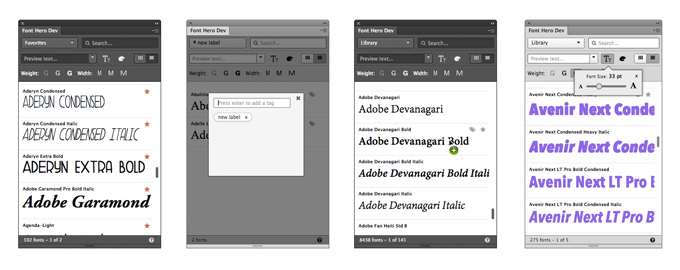
Let’s face it, if you have a ton of fonts, Photoshop’s interface for sifting through them pretty much sucks. Font Hero allows you to search, preview, and organize fonts better than ever before, right inside Photoshop.
A powerful panel for photographers that allows you to quickly adjust colors, soften skin, and apply various professional-level effects to your images.

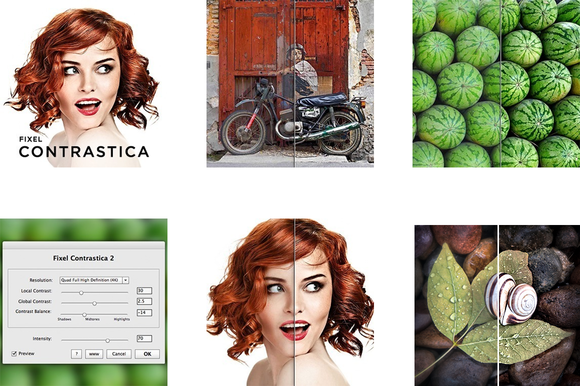
Fixel Contrastica helps you effortlessly increase the local and global contrast in your images. The tool works without clipping pixels and gives you full control over tonal range.
These 25 Photoshop plugins should be enough to supercharge your workflow. If we missed any of your favorite plugins, leave a comment below and let us know.
It’s interesting to browse real space images sourced by NASA, but the fictional concepts in the Space Art genre are really mind blowing. These artists produce extraordinary cosmic scenes featuring vibrant nebulas and gigantic planets. Today’s showcase features 25 great examples of inspiring space art concepts. Prepare to be awestruck as you travel through these imaginary galaxies.
The post 25 Mind Blowing Space Art Concepts of Cosmic Scenes appeared first on Blog.SpoonGraphics.


