Showing posts with label Become. Show all posts

Thursday, June 18, 2015

How to Become a Graphic Designer Without Going to School

A good design school will absolutely get you on the right track to becoming a talented, qualified professional. However, it’s simply not in the cards for everyone. Fortunately, you can still fulfill your dream of becoming a designer without a formal education, as long as you have the drive and dedication to pull it off.


Design School: Important or Not?


Design School


As far as the design industry is concerned, the debate rages on. You can’t really blame people for thinking that design school is not really as important as the industry makes it out to be. After all, the most important aspect of creating fantastic design is creativity, something that people are born with and develop through time, and not something you learn from textbooks and modules.


But then again, your creativity alone will not really get you anywhere if you don’t know the basics of design. No matter how unique your concepts are, you would also have to present them in the most professional way possible, especially if you want to make a serious career out of it. This is where the value of proper design education comes in. It teaches you the basics and the ins and outs of every possible tool and theory that you will need to progress in the specific niche you want to concentrate on.


Design School Drawbacks


The drawback to design school? It’s pretty simple. Not only does it cost a fortune to go to design school, it also takes up at least four years of your life. This is something that is just not possible for many people, especially if they don’t have the financial capacity. A lot of kids have to start working the moment they reach legal age, so how can they keep their heads above water in the short term without having to sacrifice their long-term dream?


Meet Karen X. Cheng


People who frequent YouTube will probably remember Karen Cheng as the girl who taught herself how to dance in just 365 days. The video she made out of the entire experience was truly inspiring, causing it to go viral online.


But for those in the field of design, Karen Cheng is the former Lead Designer at Exec. And yes, she never went to design school. In a recent Quora post, she shared her story.


“I didn’t have four years and 0,000 to go to design school,” she says. Did this stop her from becoming a designer? No, it didn’t. And to add an even bigger load of surprises, she admits that she has no discipline.


“People thought I have discipline because I was able to teach myself how to dance in just 365 days,” she states in an interview, “The truth is, I don’t have discipline. It’s just that I loved dance, I just did what I love.”


This is exactly what Karen advises to people who want to do the same groundbreaking accomplishments that she had. Do what you love.


She had been working on Microsoft Excel for two years when she realized that this was not what she wanted to do for the rest of her life. She knew that she was meant to do something else. This is what made her think about moving into a different industry. This is what got her started in the field of design.


“I had no design-related skills. I did not want to go back to school.”


For Karen though, that was not a problem at all. She would breeze through her day job and rush home, and devour material that allowed her to learn more about the basics of design. She put together her own curriculum, covering everything that she felt she needed to learn in a span of six months.


Just like that, she plunged into the job market, now as a designer. Of course, it wasn’t easy. She did not have as much training as the other people who were eyeing the same positions she wanted, and she definitely did not have relevant experience. But she didn’t give up. She decided to find ways to set herself apart from everybody else. That’s how she got the job as a designer at Exec, and from there, went on to lead the entire design team.


Inspired by Karen Cheng’s story? Well, you know that if Karen did it, then you also can. You just need to get started and start grabbing opportunities that not a lot of people would take.


Here are a few steps that could help you get started and inch closer to your dream:


Building Your Foundation


Building a Foundation


At first, Karen was probably not as good as those people who went through four years of design education. But she still did her job well enough to take her places in the industry. She just had to learn how to start.


Her biggest mistake? Jumping straight into Photoshop. Just because you buy a paint brush does not mean that you’re already an artist. You have to start with the basics. And for a career in design, you have to start from scratch.


  • Learn how to draw first. You don’t even have to enroll in an art class. Karen recommends the book You Can Draw in 30 Days. Allot at least 30 minutes of every day for a month just trying to draw. Once you’ve learned the basics and have given your hands used to the daily workout, move on to the next step.

  • Learn graphic design theory. The book Picture This is what Karen recommends when you get to this step. It gives you the basics of typography, color, and designing with a grid.

  • Next, you must learn a few basics in user experience. Some books that Karen recommends are Don’t Make Me Think and The Design of Everyday Things.

  • Text also plays a huge role in design, so you should also learn how to write. You’ll see mockups using the standard Lorem Ipsum text, but you have to be creative in every aspect. Get a feel for words. Give the audience the entire package by showing them the emotions they’re supposed to fell not just through the graphics, but through the words you use as well. Try visiting the website Voice and Tone, it should give you great tips on how to talk to your audience.

  • Lastly, learn how to slaughter your work. This is one basic reality about design that a lot of rookies fail to get. When one design does not work, get rid of it and start anew. Don’t waste your creative juices by trying to improve something that’s not all that. Just let go of it and create something fresh and completely different.

These should pretty much sum up the foundation-building part of your training. Now that you’re equipped with the basics, it’s time to move on to more complicated things.


Mastering the Software


Mastering-the-Programs


You don’t think you could escape those computer programs, could you? Even if you want to go old school and would like to create things by hand, you can never deny the fact that the entire world has gone digital. Therefore, you also have to be prepared to create work digitally.


  • Adobe Illustrator. Yes, it’s still not time to learn Photoshop yet. Better start with Illustrator first. You’ll find so many video tutorials online, and you can also try out a few textbooks. Adobe Illustrator Classroom in a Book has all the basics, and going through the first half of it could give you pretty much everything that you need to know.

  • Adobe Photoshop. Finally, it’s time for you to learn how to Photoshop. Again, you can find so many tutorials online, but make sure you choose only the best. Try to find stuff from PSDTuts and TutsPlus. They have great tips that are easy to understand and could really help you master the craft of Photoshopping.

There are so many other design programs out there, but these are two of the most popular. You can try to learn the other programs one by one as the need arises. For instance, if you’re going to do any print design, you’ll definitely need to learn Adobe InDesign.


Finding Your Specialty


Finding-Your-Specialty


As a design guru, you have to figure out what you want to specialize in. You don’t want to be the jack-of-all-trades when it comes to design, you want to be the master of a specific niche. You have to choose one area for you to focus on so that you could have a clearer path set out for you, especially when it comes to figuring out the next few steps that you’re going to take.


  • Logo Design. Interested in building logos for a brand? This is a great choice. If you think that all there is to logo design is the logo itself, you are greatly mistaken. Most of the time, a designer is signed on board to create not just a logo, but an entire brand identity. This means that you would also have to imagine that logo on a wall, on an office door, on a piece of stationery, and everything else that comes with it.

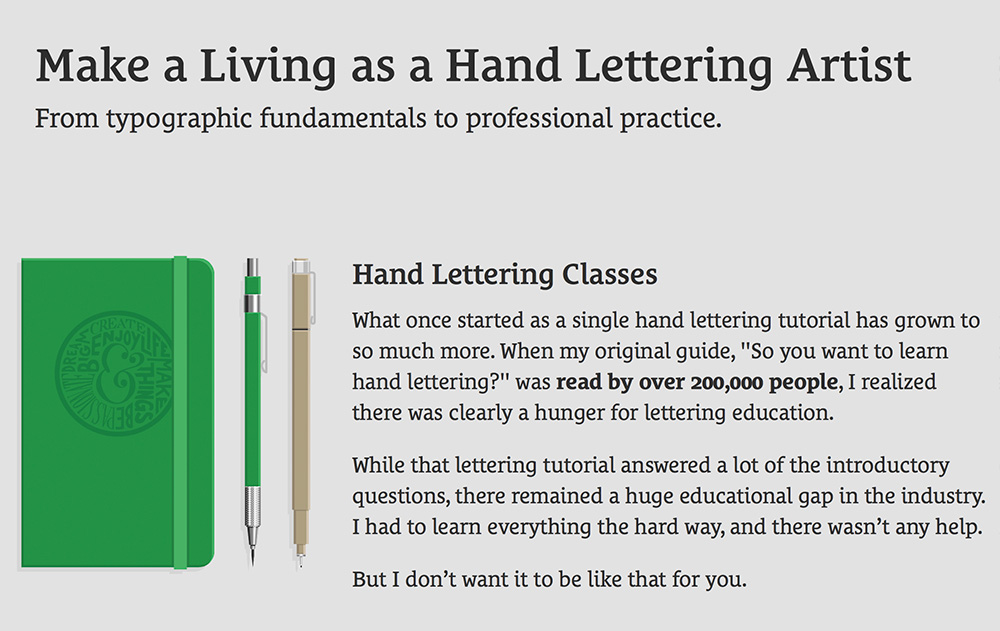
  • Hand Lettering. If you enjoy hand lettering there is alot of demand for it right now. People are in love with hand crafted and personalized designs. Why? Because it brings a human element to design. In today’s digital world brands are seeking a hand-made aesthetic. You can find great hand lettering courses on Skillshare.com, Seanwes.com, Youtube.com, and Lynda.com.

  • Mobile App Design. Mobile apps are obviously very much in demand, but you also have to be ready for a lot of competition. Tapworthy is one book that you may want to go through should you want to concentrate on this niche.

  • Web Design. Obviously, this is one of the popular choices when it comes to specialization. Try reading The Principles of Beautiful Web Design as it has all the basics you need. Feel free to jump from one website to another as well, taking note of the design aspects that you like the most about each website you see.

From here, it’s so easy to start building your own portfolio. Start out with a few concepts and then bring them to life. Find friends who may be needing your services, and try to pitch some of your ideas. Mind you, the first few attempts at trying to get your first clients would be challenging. But once you make the first one happy, everything else will just fall into place.


Start Your New Career Right Now


Before I let you go, I would like for you to take a look at these important bullet points. Everybody loves bullet points, right?


  • Always Be Creating. Experience is very important. Nobody will want to hire you without it. Use your free time to create, learn, and educate yourself. Find tutorials, try different side projects, and focus on creating a large quantity of work.

  • Be Exceptional. Do something that separates you from the crowd. Find a niche or come up with a unique idea that will make you a hot commodity. A good example of this is Sean McCabe. During his free time he really enjoyed hand lettering. He started posting his work on Dribbble, Twitter, and Instagram. People took notice and now he is known as the hand lettering guy among the design community. Even though there are hundreds, if not thousands, of talented hand lettering artists out there, he comes to mind first.

  • Learn the business of design. If you’re planning on taking the freelance route, you should learn some basic business principles. You should focus on learning client negotiation skills, how to create a proposal or design brief, how to price your work, how to write a contract, how to track your time, and how to invoice your client in a professional manner.


How to Become a Graphic Designer Without Going to School

Friday, February 20, 2015

How to Become an Authority In Your Industry

You know those people in your industry who always seem to get all the limelight? They’re constantly interviewed, featured, quoted, and praised as “thought leaders” and “industry experts.” How do they do it? What do they know that you don’t? If you’re looking to step off the sidelines and become a vocal authority, here are some simple, straightforward steps you can take to get there.


Never Stop Learning


This is the single most important piece of advice in this article. Don’t try to fake your way through the steps below. If you want people to read what you write or listen when you speak, make sure you know what you’re talking about. Unfortunately, this task is never finished. Learning is not something you do for a few years until you earn a degree, it’s a way of life for people who are looked up to as experts.


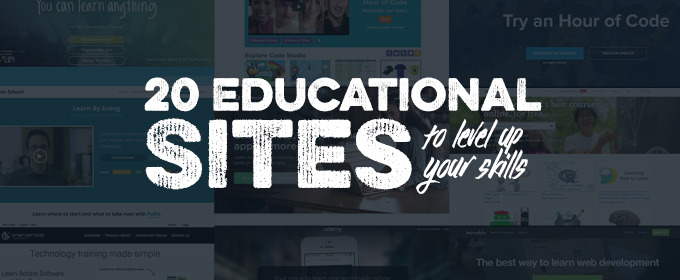
To help you get into the habit of learning regularly, check out this selection of twenty amazing educational sites for designers and developers.


become-an-authority


Write As Often As Possible


If you don’t think you’re a very good writer, it’s time to start practicing. If you want to be seen as an expert, your ability to wield the written word should be solid. You don’t have to become the next Hemingway, you simply have to learn to express your thoughts and ideas in a clear, concise, and entertaining manner. Here are some writing tasks that will help you establish yourself as a thought leader.


Start Your Own Blog, Guest Post on Others


The blogging community is such a great place for potential growth and creative conversations, so start using it. Getting feedback through comments and forums on builds your knowledge and makes you more of an authority on your subject. Fair warning, commenters can be brutal, but they’ll definitely help make sure you’re putting in your due diligence before hitting “Publish.”


authority
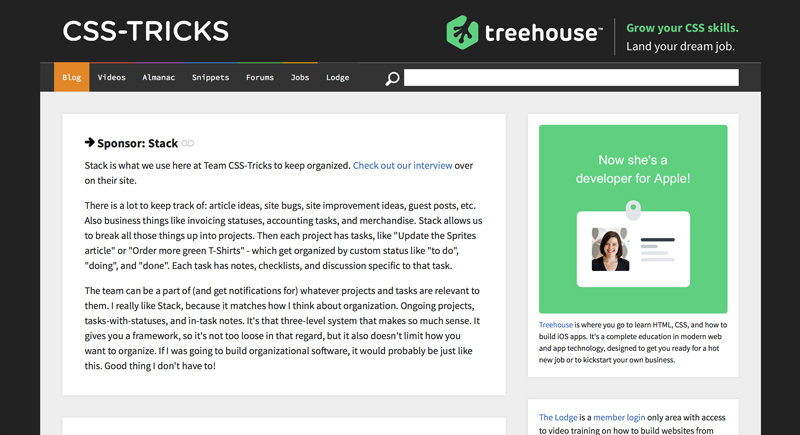
Chris Coyier started CSS Tricks as a simple way to share what he was learning and it has helped catapult him into the spotlight as a industry leader.


When you first start, it may seem like no one is listening, and it’s because they aren’t. Don’t get discouraged though. Dig in and write about topics that challenge you that you know others struggle with as well. Make your content as valuable as possible to your readers and publish consistently.


Also, don’t operate in a vacuum. Read other blogs in your industry regularly, leave comments, and find ways to connect with the people who run them. Guest blogging is the best way to get your name spread around and build an inbound link portfolio back to your site.


authority-5
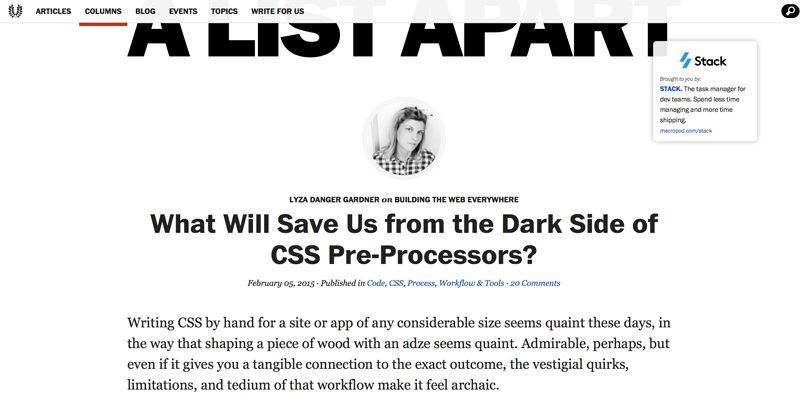
Lyza Danger Gardner boosts her personal brand by regularly contributing to well-known, authoritative sites like A List Apart.


Write, Publish, and Distribute an eBook


“Author of Insert Book Title Here” looks great in your bio. Most people assume that if you wrote a book on something, you must be an expert! The truth is that unqualified people write books every day, but regardless, you’ll want to leverage this general assumption in your quest for fame.


Think about your eBook as an extremely in-depth blog post (you could even collect your posts into a book). Each topic has its own chapter and each one should build toward the larger message of the book. It sounds like a daunting task, but once you get a rough table of contents going, the previously impossible will suddenly seem quite doable.


authority
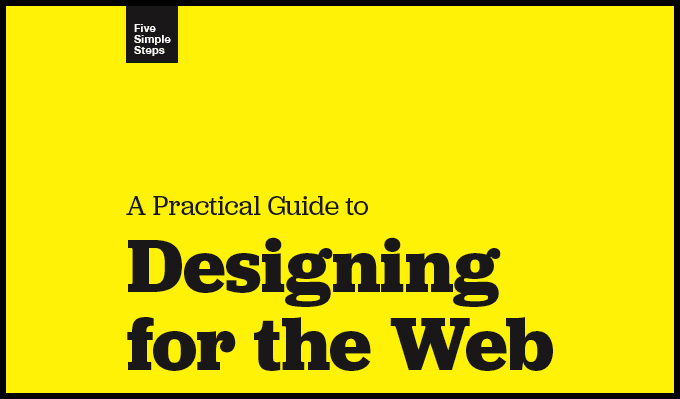
Mark Boulton made his book, “A Practical Guide to Designing for the Web” available free online, which gets it featured in lots of roundups and blog posts.


Create a Video Course


In-depth, educational video courses are a fantastic way to build your personal brand. Several educational video platforms like Skillshare and Udemy have really taken off lately, and they’re the perfect method of distributing your course to the masses and earning some dough while you’re at it.


authority-4
Jessica Hische is one of my favorite lettering artists. She teaches courses, speaks at events, and is featured on podcasts regularly.


You could also go the self-publishing route. The self-published hand lettering courses of Sean McCabe have recently become the stuff of legend and are a great example of someone establishing himself in a niche via video course.


authority


Speak at Conferences


Speaking at conferences is a huge way to boost your reputation in your industry. It’s a simple psychological trick. People are sitting down, in the dark, watching you, brightly lit, elevated above them, lecturing, joking, showing off an awesome slideshow. The entire environment is structured to build you up as the most knowledgable person in the room about a given subject.


If you’re terrified of public speaking, join the club. Everyone is nervous on that stage, but they push through it and take advantage of every opportunity until it becomes routine.


authority
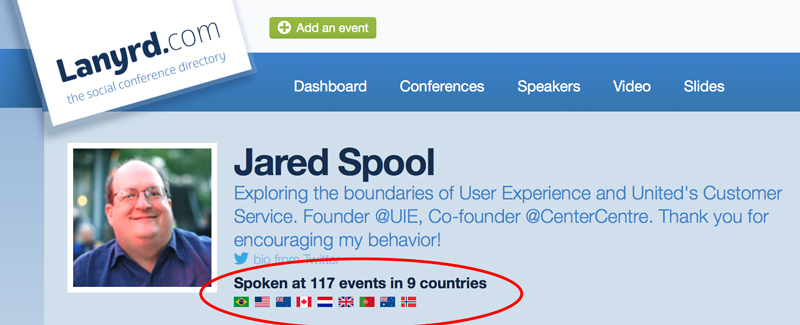
UX expert Jared Spool is one of the most accomplished conference speakers around. His Lanyrd profile has 117 past speaking engagements in 9 countries!


How Do I Get Started?


If you’ve really nailed the steps above, conference speaking invites might just start pouring in on their own. Most of the time though, you’ll have to put in some work. Seek out small conferences looking for volunteer speakers. Forget about money, you need experience. Once you’ve done a handful of small events, you can start contacting larger conferences to see if you can sit in on a panel, host a workshop, or give a lecture. After you’ve done a few big conferences, the paid speaking offers will start hitting your inbox.


Try Podcasts Too


Conferences aren’t the only place where you can put your oral skills to work. Being a host or guest speaker on popular podcasts can introduce you to audiences much larger than what you’ll see in a typical conference hall.


Who Do You Look Up To?


Do you consider yourself an authority? If so, why? If not, who do you consider an authority in your industry? What personal brand building lessons have you learned from experts in your field? Share your thoughts below.


Write for Creative Market

We’re always looking for talented, paid contributors to help out with the blog. If you’re interested, fill out our contributor form.

Products Seen In This Post:

How to Become an Authority In Your Industry

Friday, January 16, 2015

Break These Bad Habits and Become a Better Designer in 2015

With the New Year upon us, there’s an air of promise, of possibility, of the ability to become a better version of ourselves. What a perfect opportunity to take a better look at the way we do things in our day-to-day lives and see how we can do them better.


We all want to be better designers, right? So, without getting into lofty resolutions, which can be intimidating and are almost sure to be broken, here are some simple “awesome-lutions” to becoming a better designer in 2015.


Bad Habit: Being a One-Trick Pony


Stuck in a rut? Have you been designing things the same way for longer than you’d care to admit? Design trends are constantly evolving, and what looked great even a year ago can easily look stale and outdated today. In this super-competitive field, it’s imperative that you keep your eyes and ears open for what’s hot and fresh in the industry.


Awesome-lution #1: Keep current!


Luckily for us, with the Internet at our fingertips, it’s easy (and fun!) to keep on track of what’s new and exciting in the worlds of photography, illustration, digital arts, typography and more.

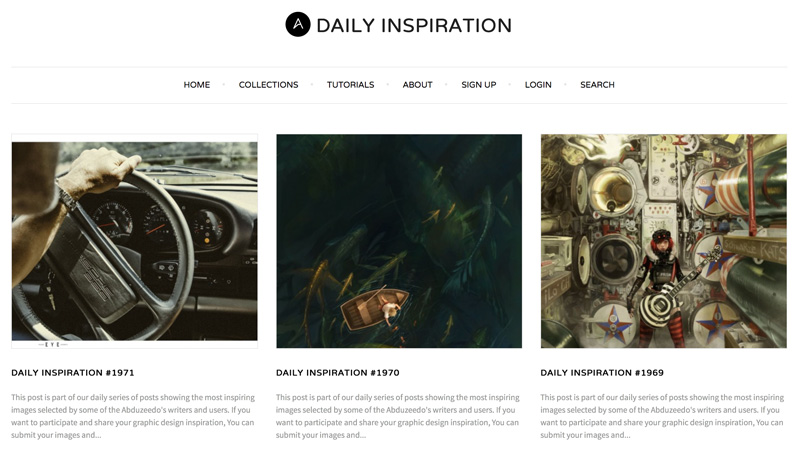
Stop by Pinterest, Dribbble, ThisIsColossal and Abduzeedo daily for an endless sea of inspiration. You can thank me later.


abduzeedo-inspiration


Bad Habit: Living in Your Comfort Zone


You may be an expert in your field, knowing the ins- and-outs of your Canon 5D, or every function your Adobe software has to offer, but to truly maximize our creative potential, we’ve got to broaden our artistic horizons and keep challenging ourselves.


Awesome-lution #2: Try New Things!


A refreshing burst of inspiration can do wonders for the way we look at the world, and in turn, the things we create. Whatever your field, it’s probably safe to say you’re a creative spirit. Why not excite your inner artist and try something totally new?


Never tried to paint? Grab a few tubes of watercolor and start sloshing away! Love the trend but have never tried hand-lettering? Give it a go, you may be better at it than you’d expect! Why not dabble in photography, and try to get to know the world around you through the lens? What you’ll discover may truly surprise you!


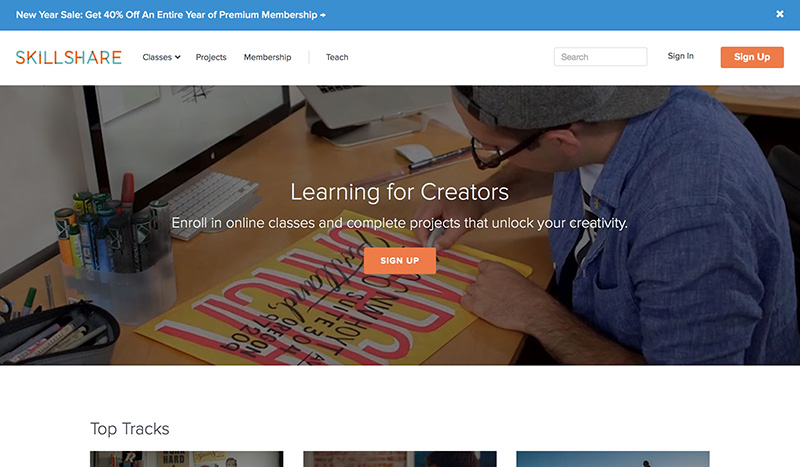
There are many wonderful tutorials to be found on practically any subject on YouTube, or you can always search SkillShare for some fun ideas on what to learn. In fact, we just posted a huge list of great educational sites to help you learn new skills.


skillshare


One of my personal resolutions, however, is to peel myself away from the screen and the endless sea of virtual guides, and to get my hands dirty more often. While I’ve made some neat things with my mouse and Adobe Illustrator, nothing beats getting your hands covered in clay, pastel chalk, or using scissors (the real kind, not the one in your toolbar!).


Bad Habit: Being Impatient


From asking around, I’ve found that many of my fellow designers are guilty of the same thing: overlooking the finer details when releasing a design into the world. Perhaps it’s the rush to see it complete, or the eagerness to start a new project, but fixing something imperfect is much harder than doing it right the first time.


Awesome-lution #3: Success is in the details


Whether it’s releasing a new product in your Creative Market shop or mailing out a design to a client, it can be tempting to declare something as finished when you decide that it’s “good enough.” But in the spirit of becoming a better designer this year, ask yourself: Would this design benefit from an extra look-over? The details are what separate a good design from an amazing design, so make sure everything is seen to.


Bad Habit: Managing Your Time Poorly


From poor time management, to general disorganization, we stand to lose valuable time which could be better spent creating wonderful things. Here’s a little test that helped me understand the importance of staying focused on the task at hand: Recite the alphabet from A-Z aloud, as fast as you can. A, B, C, D, E, F…..


Now recite the numbers one through 26, as fast as you can; GO! 1, 2, 3, 4, 5….


Pretty easy to do, right? Now try to quickly alternate the two: A1, B2, C3… and so on.


How far were you able to go? How much did it slow down your speed, and how many mistakes did you make along the way? This example constantly reminds me to keep my focus on what I’m doing; and that multi-tasking is over-rated!


Awesomelution #4: Get it done


I’m constantly trying to improve the way I run my small business. I wrote another post on what has worked well for me. In the end, creating great designs is only half the battle. Getting those designs to where they need to be, on time and in order, is key to establishing a good name for yourself in the design community.


being-productive


Implement a system that will allow you to meet deadlines, respond to emails, and maintain your portfolio. You’ll be pleasantly surprised at the positive changes it makes to your productivity, and in turn, your overall success.


How About You?


These are just some of the ways you can work towards becoming a better designer 2015. I’d love to know, what are some of your bad design habits that you wish to break, and what Awesome-lutions did you set for yourself for the New Year?


Shelly Laslo is a graphic designer and illustrator. She is the owner of DrawBabyDraw Designs, where she sells handmade design resources which give your work a unique, one-a-kind charm.

Header image created using Web design. Program for design, and Hipsteria + Bonus.


Break These Bad Habits and Become a Better Designer in 2015