Showing posts with label World. Show all posts

Thursday, June 11, 2015

How a Full-Blown Cyberwarfare Can Change the World

The internet is a beautiful thing. It has no boundaries and the only limitation it has is the imagination of its users. New cultures have been born because of it, and more are being developed daily. New tech, new many things. On the internet you don’t need a visa to travel to a different country.


The internet, in itself, is an unclaimed territory with more than 2 billion citizens. Easy to say, the world’s superpowers are busy trying to get their own piece of it. And just like a physical territory, there’s also espionage, spying, and a war going on in the cyber world. You may not realize it, but it’s been going on for several years now.


What’s Happening In The Cyberworld?


One prime example is the United States’ Nasional Security Agency (NSA) that spies on Americans and 193 other countries every minute of every day, with one goal in mind (and I’m simplifying it here): to collect information and use them to deter acts of terrorism. If you want to get your heart pumping, here’s a timeline of NSA’s domestic spying.


IMAGE: Chris Halderman

But in their bid to do this, backlash from across the globe has started. China is a big country and in the recent decades it has proved to be an industrial and economic marvel. And now they have begun to heavily invest in their cyber capabilities. Last year, Iran‘s supreme leader told students to prepare for cyberwar. Perhaps it’s a reaction to Saudis and Israelis’ cyber attack on Iran’s nuclear program back in 2010.


Russia is on the offensive too. One of the most publicized cyber attack they did was hacking into the US State Department’s mail servers. And just recently, the Pentagon announced a new strategy for cyberwarfare in which cyberweapons were discussed.


And it’s not just governments attacking other governments in the cyberspace. Vital companies are also being cyber attacked by governments. And as a response, half of the surveyed UK companies said that they were considering hiring hackers in order to deter other hackers. Fight fire with fire, right?


IMAGE: Alexandre Dulaunoy

But back to the global stage, the world is currently under a cyber semi-cold war with the US, Russia, Iran, and China as the main players. Just recently, news about the US getting hacked by the Chinese broke out.


According to experts, the incident involved the gathering of over 4 million current and former federal employee records. But while the motive of the hack is unclear, it is a highly targeted attack that could point to the possibility that the hackers are building their own database of US government employees. As it so happens, the Office of Personnel Management warned the US late last year that their networked systems are a “hacker’s dream,”and that they are not ready for an attack.


Well, Can’t They Just Not Connect Their Important Systems To The Internet?


That’s actually a great question. The truth is, they don’t. The government and military generally have their own intranet – a private network that is only accessible to authorized personnel. Sure, it might still utilize the world wide web, butit is the kind that makes use of totally disconnected cable networks. In fact, big corporations have their own intranets as well, where their files can only be accessed on-site.


IMAGE: photosteve101

But just like businesses, governments and militaries can’t survive on intranet alone. While classified information are kept on systems that are not connected to the internet, there are still devices that are, mostly used for communication purposes like emailing, video conferencing, and the sending of files


When you hear in the news that a top-level government official’s email has been hacked, that’s most likely because the computer that was being used was connected to the internet.


Also, if a network that is not connected to the internet has been hacked and classified information has been leaked, it’s almost always a 100% chance that someone from the inside did it. But that’s not what we are here to discuss today.


What Could The Repercussions Of A Full-Scale Cyberwar Be?


The answer to this is simple, and scary: governments could build their own internet. Imagine a world where there are several Internets. Germany wants its own internet because of NSA’s spying scandal, while Iran is building its own "halal” internet which will be free of "impurities” from the outside world.


IMAGE: Brian Klug

And it is not just a gimmick to think that other governments will follow in their lead. If these cyber attacks go out of hand, the only thing that could safeguard governments from each other is by totally disconnecting from one another. If that isn’t scary enough for you, let’s take a step back and look at what the internet is right now.


Effects on Communication


Right now I am talking to you while I am in the Philippines. You might be in South Korea, Japan, Kuwait, or the US, but you can still read this. You can talk to your friends through Skype who are in a different country. You can play online games in an international setting.


But what happens when the internet as we see it now disappears, and instead become smaller, confined, restrictive bubbles? That borderless communication will be gone. Which leads us to a new different way of getting information: information about other countries will be harder to come by. It is entirely possible that we will only get information from government-sanctioned channels.


This changes the way everything works; everyone will take a big hit. Think of how major a role Facebook and Twitter played during the Arab Spring. The whole world was watching and supporting them. But if governments cut off their connection to the rest of the world, this kind of free-flowing information will be a thing of the past.


Perhaps one major issue regular users will suffer from is the way we navigate the internet. It might get more difficult and expensive to get connected. Like withdrawing money from an ATM that is not from your bank, international calls may cost more because of rerouting. Plus, getting through will require going through many gateways and checkpoints, slowing down the information-gathering process, because of how the request is passed around. Alternatively, a "fast lane" may be offered for a fee.


Scary now when you think of it that way, right? And that’s a looming threat to us all. But there are far scarier things than this.


Power Grids Going Down


Power grids in the US and around the world are vulnerable to attacks, and we aren’t speaking hypothetically. In 2014 alone, the US power grid was attacked by hackers 79 times. Hackers managed to get into 37% of the companies that make the grid work.


According to reports, the attacks were (and still are) done by an army of hackers in a coordinated attempt to make entire cities go dark. Imagine an unassailable country like the US going dark, the ensuing panic will be chaotic.


Cars Being Controlled Remotely


Cars are getting smarter every year. From being able to diagnose what is wrong in their hardware or software, to totally skipping the need for a human driver. This is the future of cars, and it is coming fast.


Cars may even get upgrades by receiving updates from a remote server, and you probably know what that means by now – anything that is connected to the internet has the possibility of being hacked. In this case, autonomous cars can be targeted by hackers to control car functions.


Smartphones Acting As Ubiquitous Spying Tool


Google can push codes to Android devices, and NSA had this brilliant idea to hijack Google Play and basically hack everyone’s phones. Good for us that this didn’t really pan out. Or did it?


The thing is, if one agency planned on doing it, other organizations might dedicate their time and resources into hacking not only Android devices, but also all phones that rely on automatic updates from a main server. This can then be used to not only track everyone’s movements, but also get into everyone’s private lives, making everyone’s personal data open to unwarranted espionage.


Hacking Into Inter-Continental Ballistic Missiles (ICBM)


On October 23, 2010, 50 ICBMs that are equipped with nuclear tips went dark. Their human controllers lost communications with them for 45 minutes. Why is this scary? Because during that 45 minutes, the launch centers had no way of detecting unauthorized launch attempts.


It was not clear what the exact reason for the lockout was, which could be anything from a faulty cabling, someone hacking into the ICBMs through radio receivers, a staffer’s honest mistake in triggering the blackout, or a very dedicated hacker who was tapping into America’s thousands of miles of cables (highly unlikely). Whatever caused it could have started a nuclear war.


Military Drones Being Used Against The People They’re Supposed To Protect


US military drones are already flying on their areas of interest. And they are carrying hellfire missiles. It is also inevitable that these drones connect wirelessly to their base stations where humans can control or update their systems once in a while.


With that in mind, do you think it’s entirely possible that hackers can gain access to these drones for their own purposes? Definitely.


Crashing The Stock Market, And The Economy


Hackers can manipulate the stock market, which they did in 2010, when Russian hackers hacked into NASDAQ. While this attempt might simply mean someone wants information in order to earn big money, it is also not a far-fetched idea that in the future some organization bent on destroying a specific country’s economy would and could do so.


If this happens, people could lose jobs, houses could be foreclosed and the rate of homelessness will spike, civil unrest will ensue, and the collapse of law and order could destroy governments. This has happened before, in a pre-Internet period known as the Great Depression.


In Conclusion


The stakes are high in the cyberworld. Private groups, corporations, and even governments are both on the offensive and defensive. It’s like watching several tribes battle for power and land. The only difference is that in the 21st century the thing they are fighting for isn’t even a physical place, but it sure contains great power.


And at the end of the day, we, the regular users, will be the casualties of this war between superpowers.


How a Full-Blown Cyberwarfare Can Change the World

Wednesday, June 10, 2015

How a Full-Blown Cyberwarfare Can Change the World

The internet is a beautiful thing. It has no boundaries and the only limitation it has is the imagination of its users. New cultures have been born because of it, and more are being developed daily. New tech, new many things. On the internet you don’t need a visa to travel to a different country.


The internet, in itself, is an unclaimed territory with more than 2 billion citizens. Easy to say, the world’s superpowers are busy trying to get their own piece of it. And just like a physical territory, there’s also espionage, spying, and a war going on in the cyber world. You may not realize it, but it’s been going on for several years now.


What’s Happening In The Cyberworld?


One prime example is the United States’ Nasional Security Agency (NSA) that spies on Americans and 193 other countries every minute of every day, with one goal in mind (and I’m simplifying it here): to collect information and use them to deter acts of terrorism. If you want to get your heart pumping, here’s a timeline of NSA’s domestic spying.


IMAGE: Chris Halderman

But in their bid to do this, backlash from across the globe has started. China is a big country and in the recent decades it has proved to be an industrial and economic marvel. And now they have begun to heavily invest in their cyber capabilities. Last year, Iran‘s supreme leader told students to prepare for cyberwar. Perhaps it’s a reaction to Saudis and Israelis’ cyber attack on Iran’s nuclear program back in 2010.


Russia is on the offensive too. One of the most publicized cyber attack they did was hacking into the US State Department’s mail servers. And just recently, the Pentagon announced a new strategy for cyberwarfare in which cyberweapons were discussed.


And it’s not just governments attacking other governments in the cyberspace. Vital companies are also being cyber attacked by governments. And as a response, half of the surveyed UK companies said that they were considering hiring hackers in order to deter other hackers. Fight fire with fire, right?


IMAGE: Alexandre Dulaunoy

But back to the global stage, the world is currently under a cyber semi-cold war with the US, Russia, Iran, and China as the main players. Just recently, news about the US getting hacked by the Chinese broke out.


According to experts, the incident involved the gathering of over 4 million current and former federal employee records. But while the motive of the hack is unclear, it is a highly targeted attack that could point to the possibility that the hackers are building their own database of US government employees. As it so happens, the Office of Personnel Management warned the US late last year that their networked systems are a “hacker’s dream,”and that they are not ready for an attack.


Well, Can’t They Just Not Connect Their Important Systems To The Internet?


That’s actually a great question. The truth is, they don’t. The government and military generally have their own intranet – a private network that is only accessible to authorized personnel. Sure, it might still utilize the world wide web, butit is the kind that makes use of totally disconnected cable networks. In fact, big corporations have their own intranets as well, where their files can only be accessed on-site.


IMAGE: photosteve101

But just like businesses, governments and militaries can’t survive on intranet alone. While classified information are kept on systems that are not connected to the internet, there are still devices that are, mostly used for communication purposes like emailing, video conferencing, and the sending of files


When you hear in the news that a top-level government official’s email has been hacked, that’s most likely because the computer that was being used was connected to the internet.


Also, if a network that is not connected to the internet has been hacked and classified information has been leaked, it’s almost always a 100% chance that someone from the inside did it. But that’s not what we are here to discuss today.


What Could The Repercussions Of A Full-Scale Cyberwar Be?


The answer to this is simple, and scary: governments could build their own internet. Imagine a world where there are several Internets. Germany wants its own internet because of NSA’s spying scandal, while Iran is building its own "halal” internet which will be free of "impurities” from the outside world.


IMAGE: Brian Klug

And it is not just a gimmick to think that other governments will follow in their lead. If these cyber attacks go out of hand, the only thing that could safeguard governments from each other is by totally disconnecting from one another. If that isn’t scary enough for you, let’s take a step back and look at what the internet is right now.


Effects on Communication


Right now I am talking to you while I am in the Philippines. You might be in South Korea, Japan, Kuwait, or the US, but you can still read this. You can talk to your friends through Skype who are in a different country. You can play online games in an international setting.


But what happens when the internet as we see it now disappears, and instead become smaller, confined, restrictive bubbles? That borderless communication will be gone. Which leads us to a new different way of getting information: information about other countries will be harder to come by. It is entirely possible that we will only get information from government-sanctioned channels.


This changes the way everything works; everyone will take a big hit. Think of how major a role Facebook and Twitter played during the Arab Spring. The whole world was watching and supporting them. But if governments cut off their connection to the rest of the world, this kind of free-flowing information will be a thing of the past.


Perhaps one major issue regular users will suffer from is the way we navigate the internet. It might get more difficult and expensive to get connected. Like withdrawing money from an ATM that is not from your bank, international calls may cost more because of rerouting. Plus, getting through will require going through many gateways and checkpoints, slowing down the information-gathering process, because of how the request is passed around. Alternatively, a "fast lane" may be offered for a fee.


Scary now when you think of it that way, right? And that’s a looming threat to us all. But there are far scarier things than this.


Power Grids Going Down


Power grids in the US and around the world are vulnerable to attacks, and we aren’t speaking hypothetically. In 2014 alone, the US power grid was attacked by hackers 79 times. Hackers managed to get into 37% of the companies that make the grid work.


According to reports, the attacks were (and still are) done by an army of hackers in a coordinated attempt to make entire cities go dark. Imagine an unassailable country like the US going dark, the ensuing panic will be chaotic.


Cars Being Controlled Remotely


Cars are getting smarter every year. From being able to diagnose what is wrong in their hardware or software, to totally skipping the need for a human driver. This is the future of cars, and it is coming fast.


Cars may even get upgrades by receiving updates from a remote server, and you probably know what that means by now – anything that is connected to the internet has the possibility of being hacked. In this case, autonomous cars can be targeted by hackers to control car functions.


Smartphones Acting As Ubiquitous Spying Tool


Google can push codes to Android devices, and NSA had this brilliant idea to hijack Google Play and basically hack everyone’s phones. Good for us that this didn’t really pan out. Or did it?


The thing is, if one agency planned on doing it, other organizations might dedicate their time and resources into hacking not only Android devices, but also all phones that rely on automatic updates from a main server. This can then be used to not only track everyone’s movements, but also get into everyone’s private lives, making everyone’s personal data open to unwarranted espionage.


Hacking Into Inter-Continental Ballistic Missiles (ICBM)


On October 23, 2010, 50 ICBMs that are equipped with nuclear tips went dark. Their human controllers lost communications with them for 45 minutes. Why is this scary? Because during that 45 minutes, the launch centers had no way of detecting unauthorized launch attempts.


It was not clear what the exact reason for the lockout was, which could be anything from a faulty cabling, someone hacking into the ICBMs through radio receivers, a staffer’s honest mistake in triggering the blackout, or a very dedicated hacker who was tapping into America’s thousands of miles of cables (highly unlikely). Whatever caused it could have started a nuclear war.


Military Drones Being Used Against The People They’re Supposed To Protect


US military drones are already flying on their areas of interest. And they are carrying hellfire missiles. It is also inevitable that these drones connect wirelessly to their base stations where humans can control or update their systems once in a while.


With that in mind, do you think it’s entirely possible that hackers can gain access to these drones for their own purposes? Definitely.


Crashing The Stock Market, And The Economy


Hackers can manipulate the stock market, which they did in 2010, when Russian hackers hacked into NASDAQ. While this attempt might simply mean someone wants information in order to earn big money, it is also not a far-fetched idea that in the future some organization bent on destroying a specific country’s economy would and could do so.


If this happens, people could lose jobs, houses could be foreclosed and the rate of homelessness will spike, civil unrest will ensue, and the collapse of law and order could destroy governments. This has happened before, in a pre-Internet period known as the Great Depression.


In Conclusion


The stakes are high in the cyberworld. Private groups, corporations, and even governments are both on the offensive and defensive. It’s like watching several tribes battle for power and land. The only difference is that in the 21st century the thing they are fighting for isn’t even a physical place, but it sure contains great power.


And at the end of the day, we, the regular users, will be the casualties of this war between superpowers.


How a Full-Blown Cyberwarfare Can Change the World

Saturday, April 4, 2015

Comic Papyrus Renamed: The Scandal That Rocked The Font World

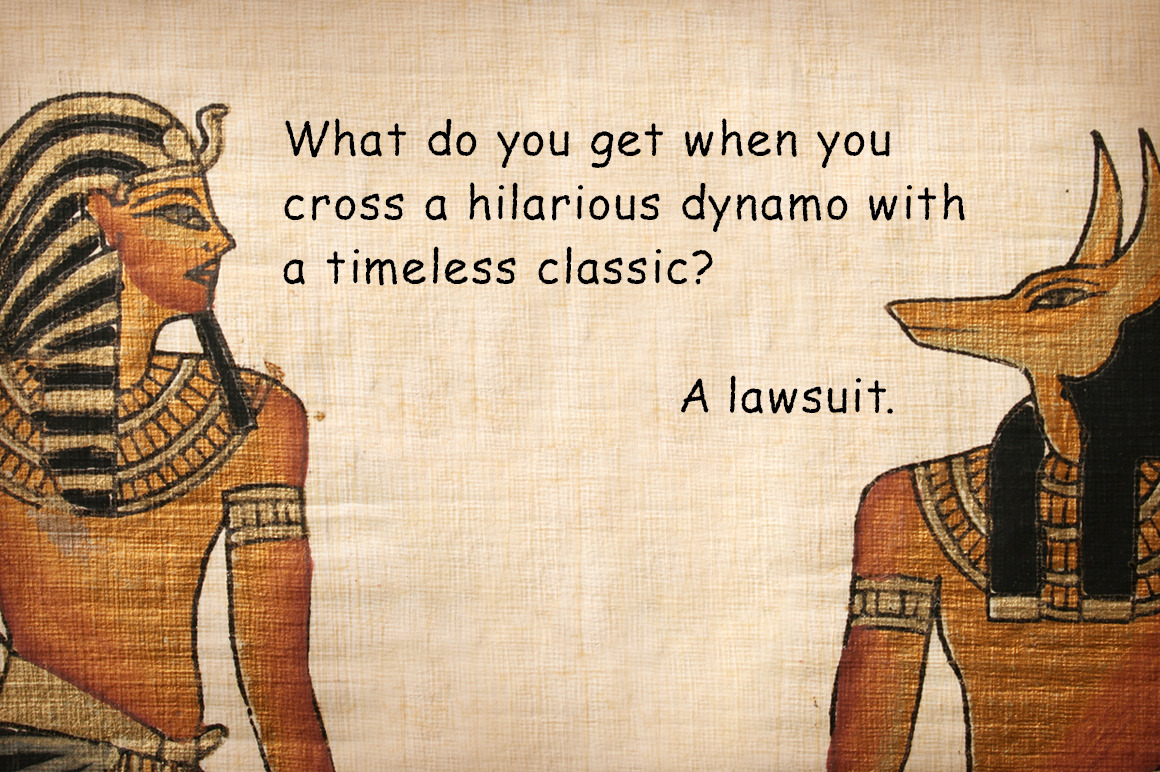
In an unexpected turn of events, the awesomely terrible font that’s taking the nation by storm, Comic Papyrus, has been abruptly renamed, “Comic Parchment.” We suspect some angry font lawyers were behind the name change, but we asked Comic Payru… uhh, Comic Parchment creator Ben Harman, and he had a slightly different explanation. Read his answer below.


comicparchment2-fr


What Happened?


Comic “Parchment” was mankind’s first genetically-engineered superfont, boasting typographic DNA from the two most revered fonts in existence: Comic Sans and [CENSORED].


However, in what was perhaps the typographic scandal of the century, [CENSORED] quickly fell from grace and became just another deadbeat dad, denying he was ever in a relationship with Comic Sans.


“I’m not the father!” claimed [CENSORED], who is suing for damages. “Cease and desist!”


comicparchment5-fr


Meanwhile, their love child, Comic “Parchment”, has changed his last name in an effort to avoid the public shame (and associated legal fees). He also hopes to save (type)face by ordering a paternity test. Regardless of the results, however, Comic Parchment is still one sexy bastard.


- Ben Harman, creator of Comic Parchment


Comic Papyrus Renamed: The Scandal That Rocked The Font World
Thursday, November 27, 2014

These Fonts Made a Big Impact on World History

Typography is instrumental to many forms of communication in daily life, being used in modern advertisements and designs that we encounter every day. Typographers have practiced their craft for centuries, relaying different concepts and feelings through the intricacies of our species’ form of communication. Along the way, typography has played interesting and vital roles in culture, history, and of course, politics. Here are a few fonts that have left their mark on history.


Futura Makes a Stand Against Hitler’s Third Reich


German typeface designer Paul Renner found himself in a tough spot when the Nazi party rose to power. His position as a designer gave him influence over Germany and its surrounding nations, making him perfect for Hitler’s propaganda machine. However, instead of using the frequently used Blackletter typeface, Renner was inspired to go against the grain and create a new typeface in 1927 – Futura. Influenced by Bauhaus’ use of Roman characters, Renner’s Futura rejected the prevalent culture of stark German nationalism being currently represented by Blackletter.


Note: The details of Renner’s loyalties and intentions are still debated. You can see some discussion on the matter in the comments on this article from Typophile. Either way you look at it, Futura is a font that played a substantial role in the story of Germany during this time.


type-in-history-6


Helvetica Plays It Safe During the Cold War


Helvetica was introduced in 1957 under its original name, Neue Haas Grotesk. It was first known for its clarity, though later would become associated with treading carefully during The Cold War. After World War II, distrust festered between nations, so Hoffman chose to use the name Helvetica over Helvetia (the latter meaning Switzerland) to avoid nationalism. This decision made Helvetica acceptable to the world rather than in the clutches of a single nation, freeing it from any ideological issues fueling national distrust during The Cold War. Though a common criticism of Helvetica arose claiming that it lacked personality, the 2007 documentary “Helvetica” made an argument for the font, describing it as “ubiquitous” and “timeless.”

type-in-history-1


Johnston Sans in the London Underground Railway Combats German Innovation


Edward Johnston created the self-named Johnston Sans during The Great War. Commonly known as Underground Railway Block-Letter, Johnston’s design was part of the war effort in that it fought against a perceived threat of cultural invasion by Germany. To this end, Johnston drew from imperialist foundations to emphasize Britain’s strength. During the time, imperialism wasn’t associated as much with negative connotations as it is today. It was actually quite the opposite: The London Underground’s strong typography reassured its citizens that Britain would prevail against outside influence of Nazism and fascist design alike.


type-in-history-2


Gotham Attempts to Bring Hope Back to America


Inspired by the lettering on the Port Authority, Gotham is described by Tobias Frere-Jones as “the type of letter that an engineer would make.” Frere-Jones is one half of the duo who designed Gotham (the other being Jonathan Hoefler). In addition to appearing on cultural icons such as Coca-Cola, Netflix, and even in the Museum of Modern Art, Gotham was used by the Obama during his 2008 campaign for presidency. Being associated with New York City and its post-September 11th search for hope, Gotham affected the same optimistic aesthetic for Obama’s campaign when it was used in conjunction with “Change We Can Believe In.” Now, the beloved typeface’s creators are embittered in a million conflict, with Frere-Jones suing partner Hoefler for “cheating” him out of half of the business. However, the typeface remains strong.


obama hope


What Other Fonts Have Left Their Mark on The World?


When we think about world history, we don’t usually jump straight to the topic of type. But it’s always there, doing its duty, proclaiming the good news, spreading the bad news, and pushing agendas. What other fonts can you think of that have played a role in a historical event?


Header image created using Letter Land I.


These Fonts Made a Big Impact on World History

Wednesday, November 26, 2014

30 Out of This World Fan-Made Interstellar Posters

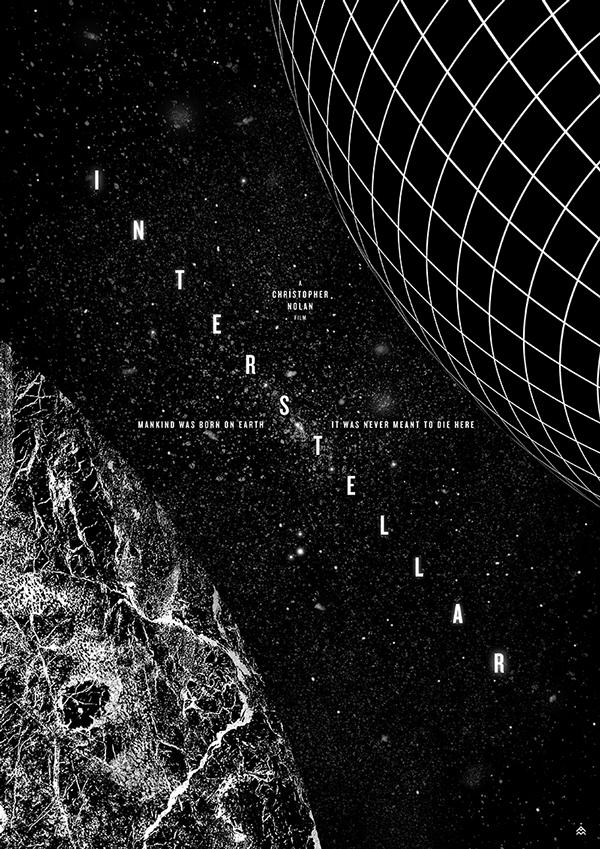
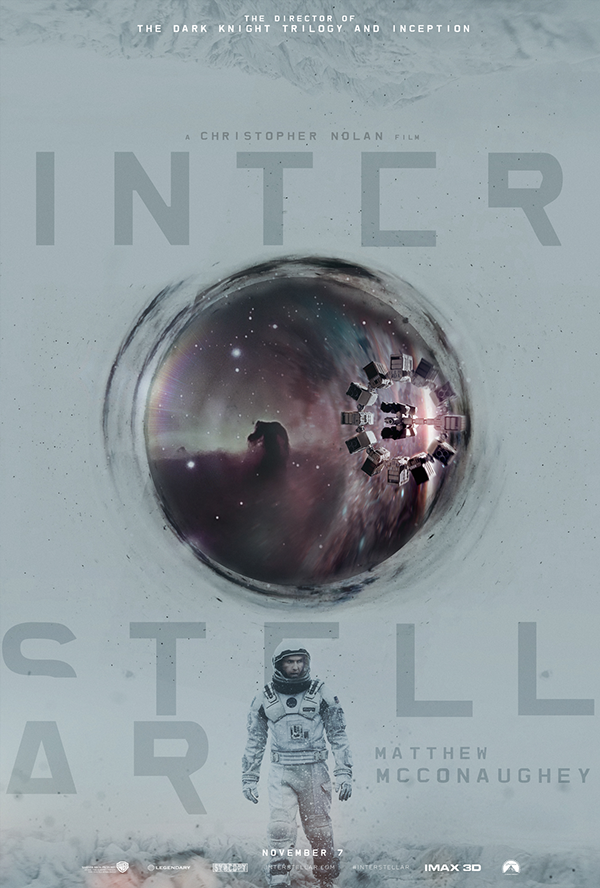
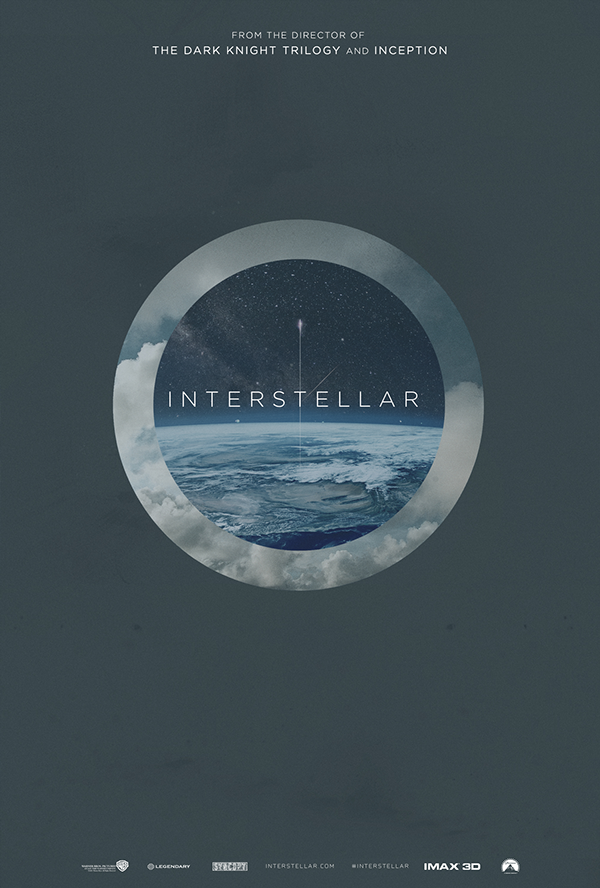
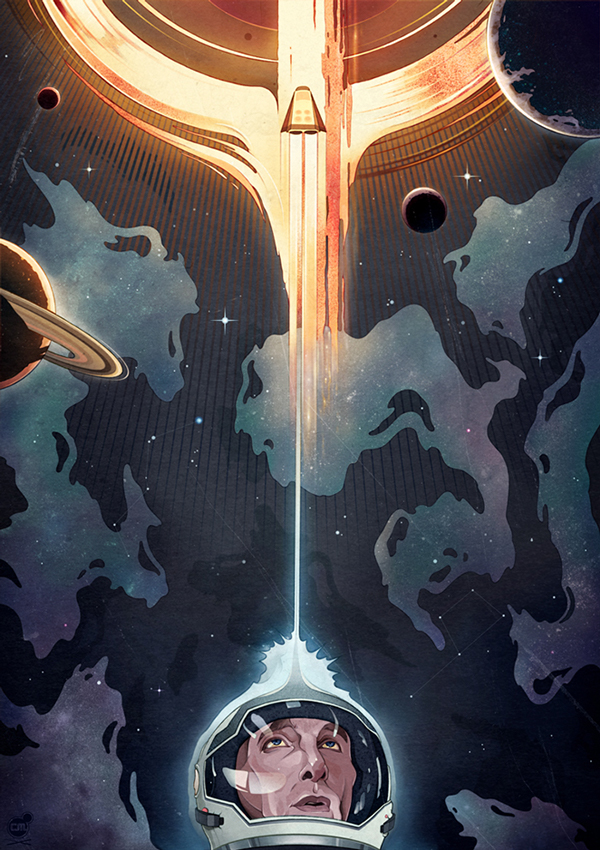
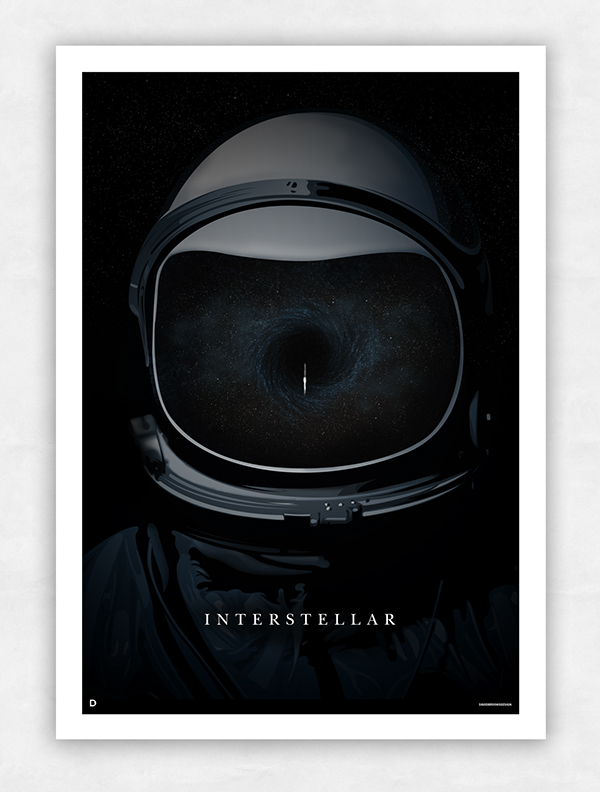
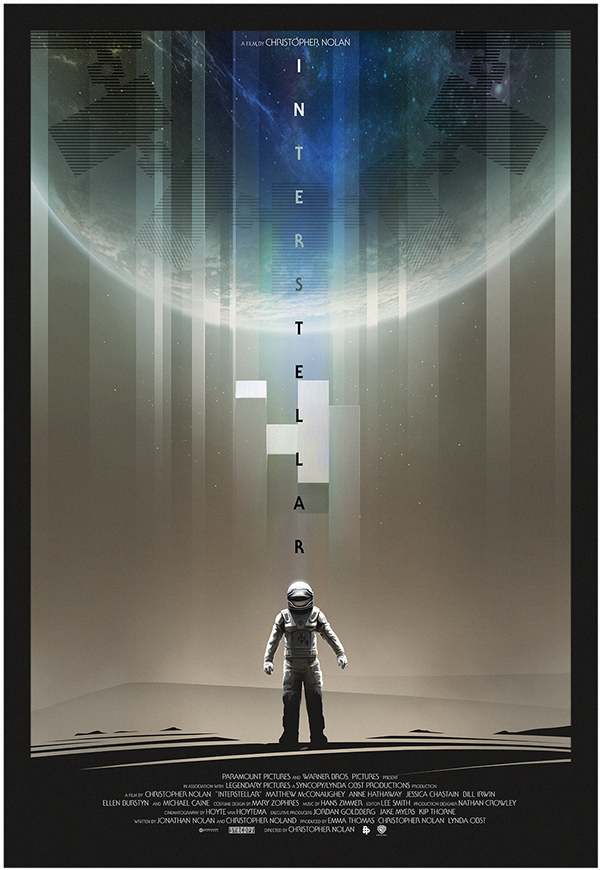
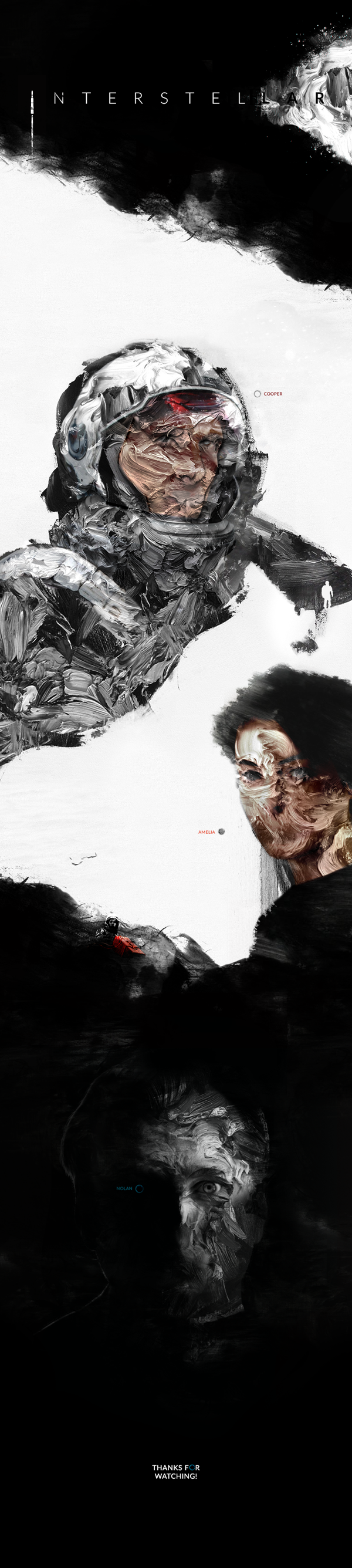
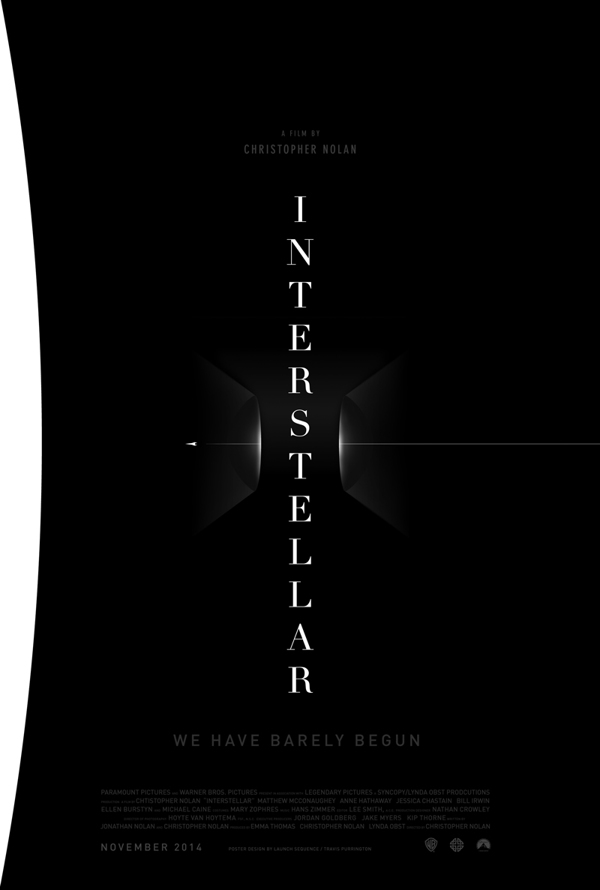
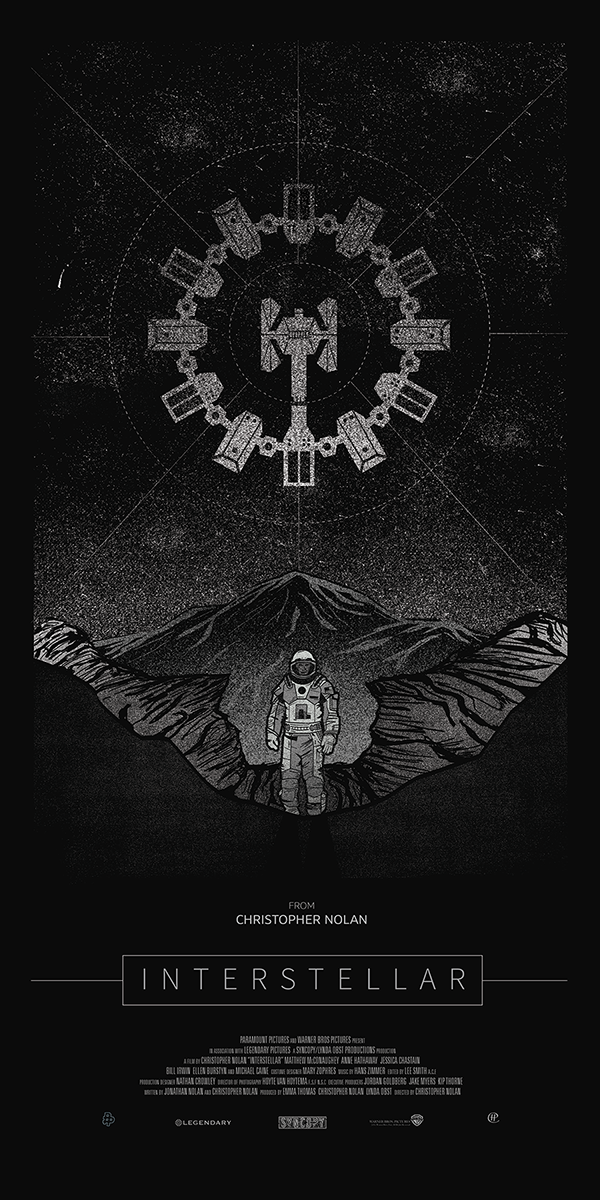
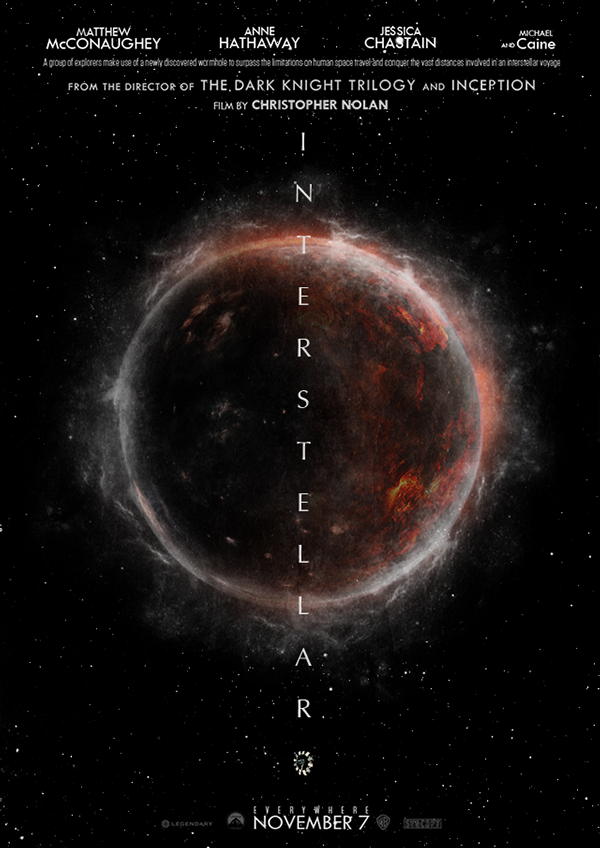
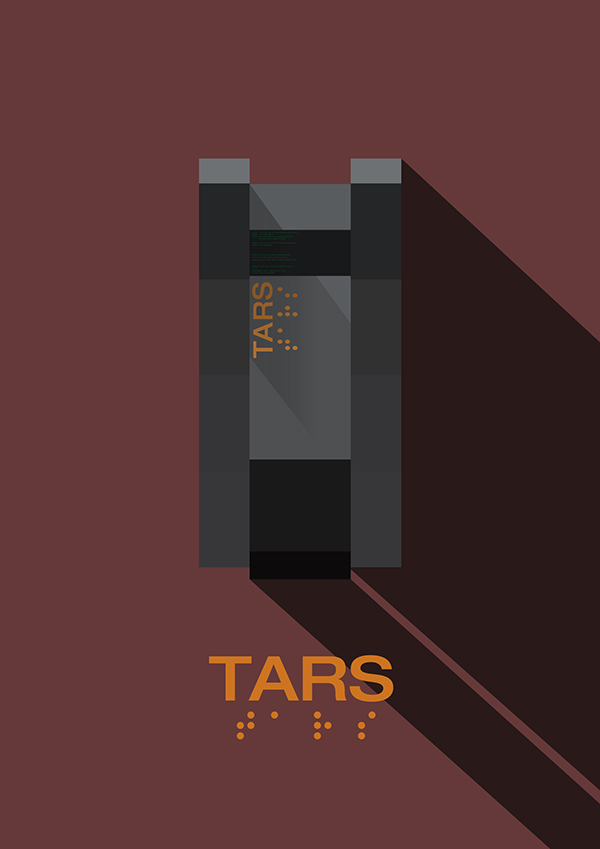
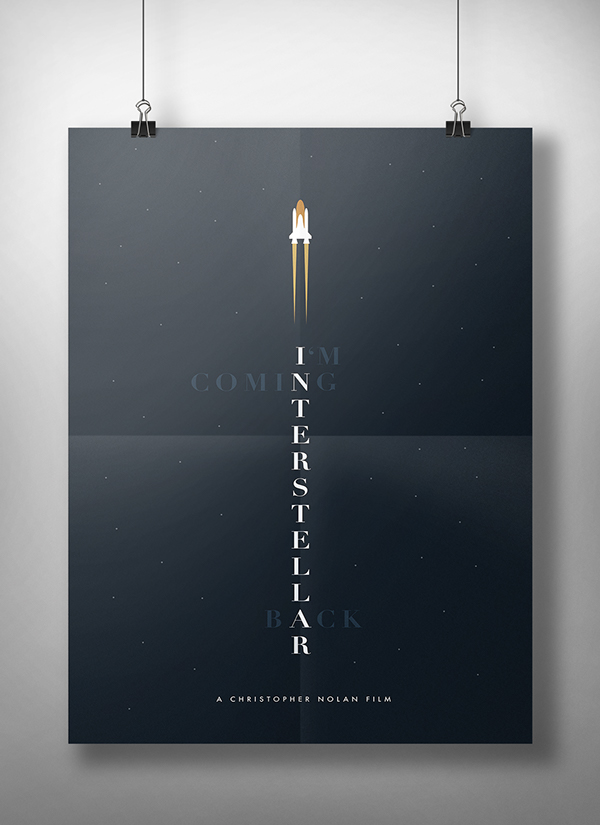
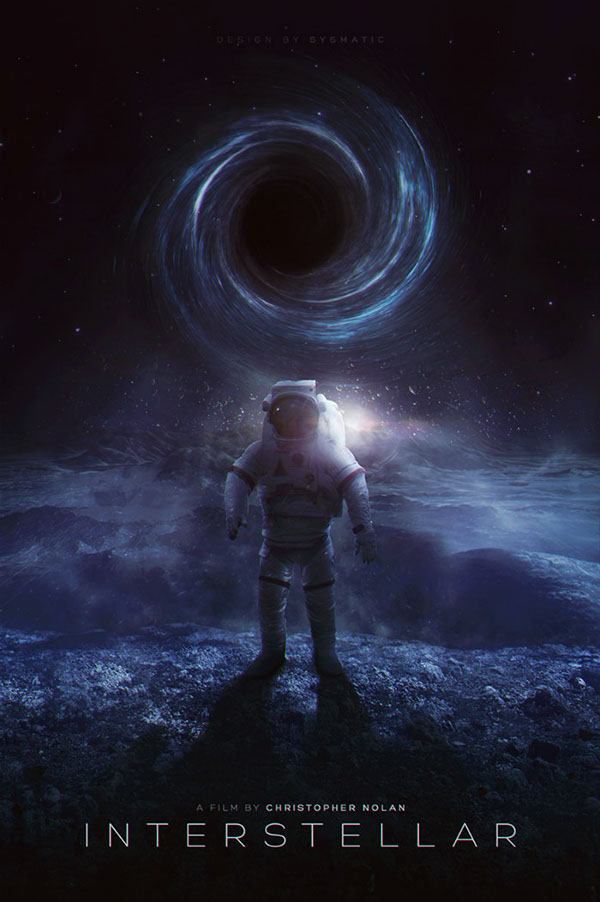
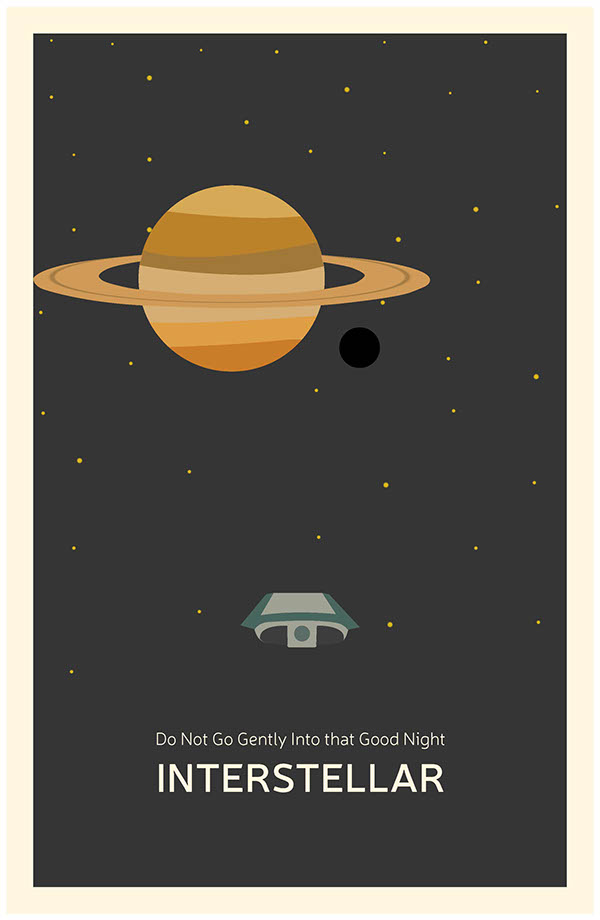
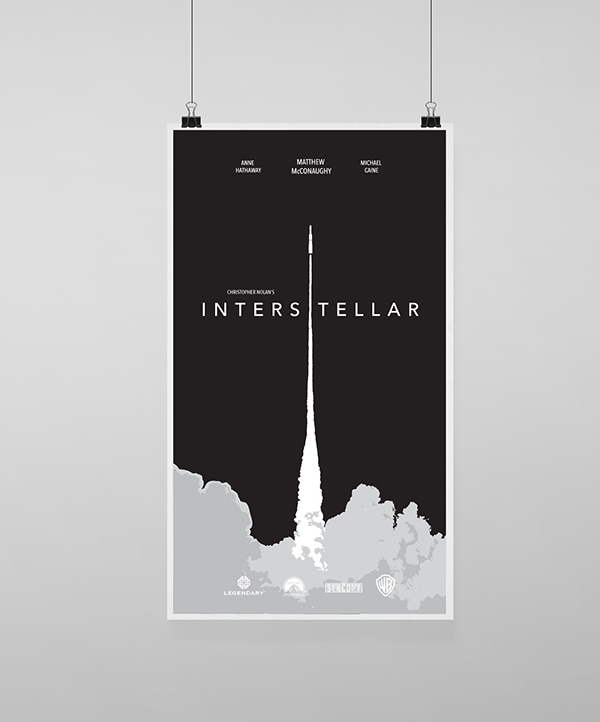
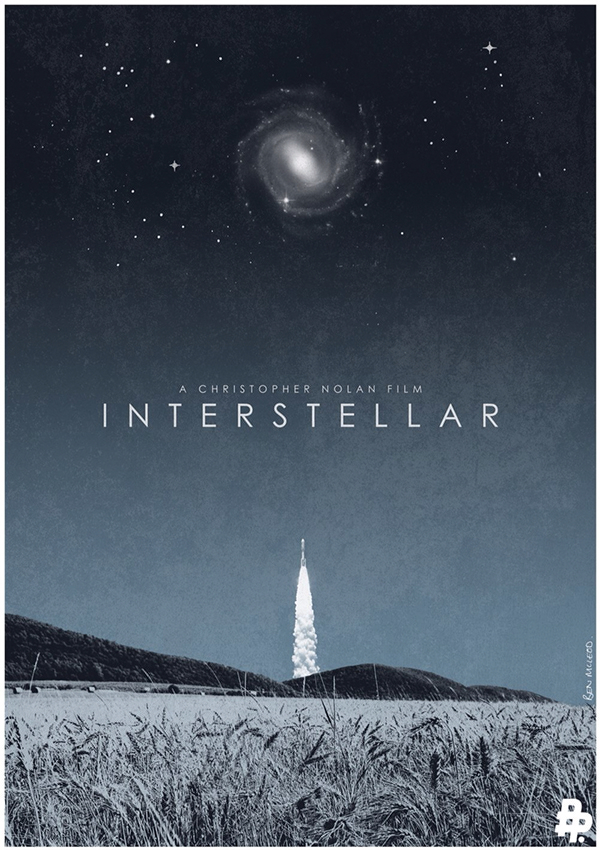
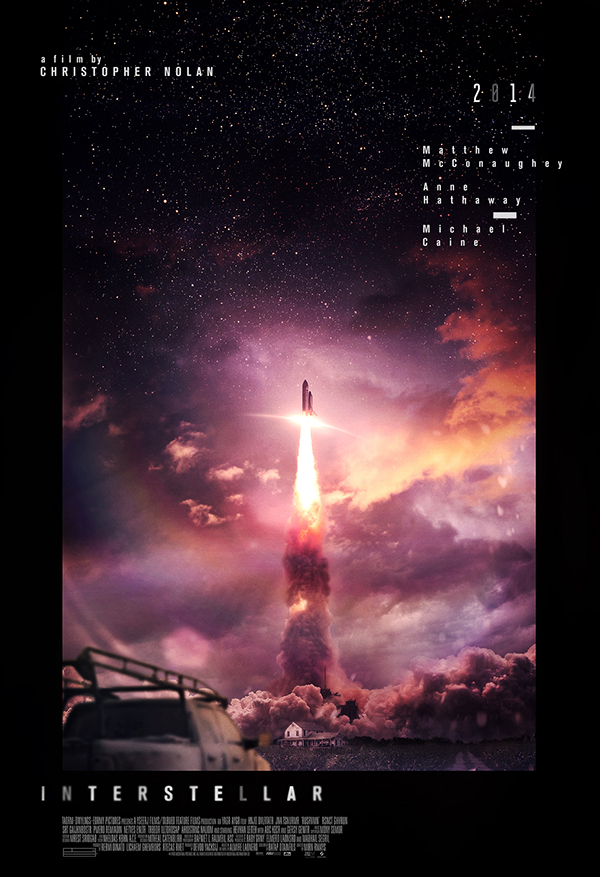
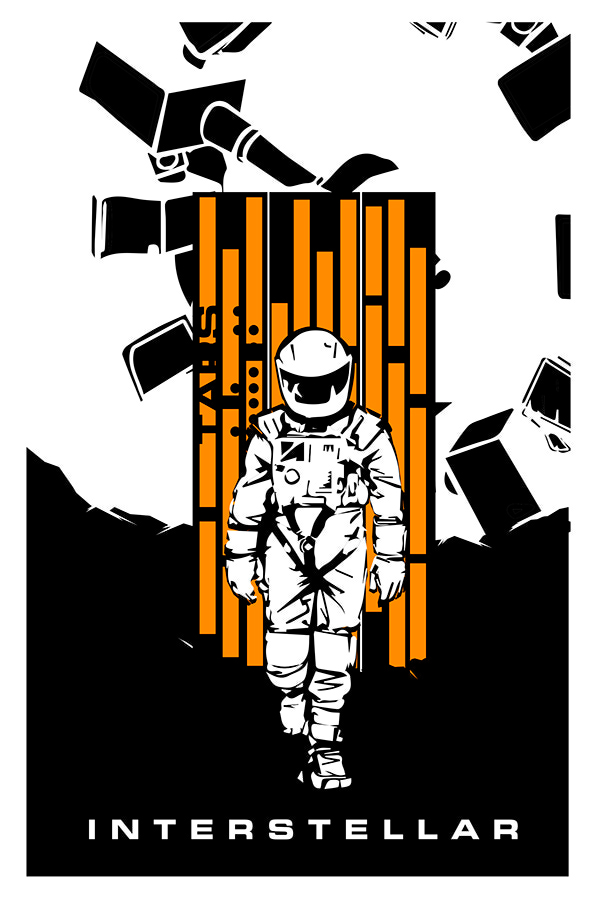
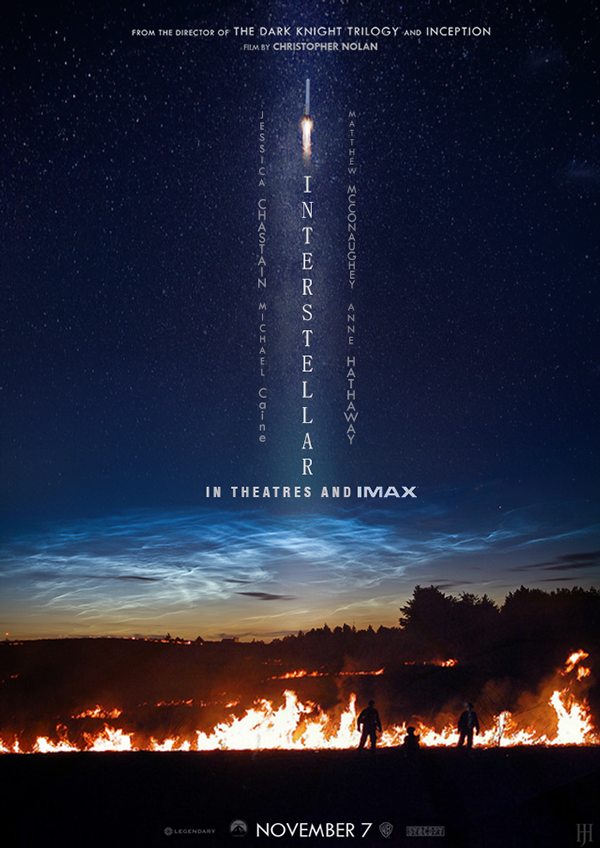
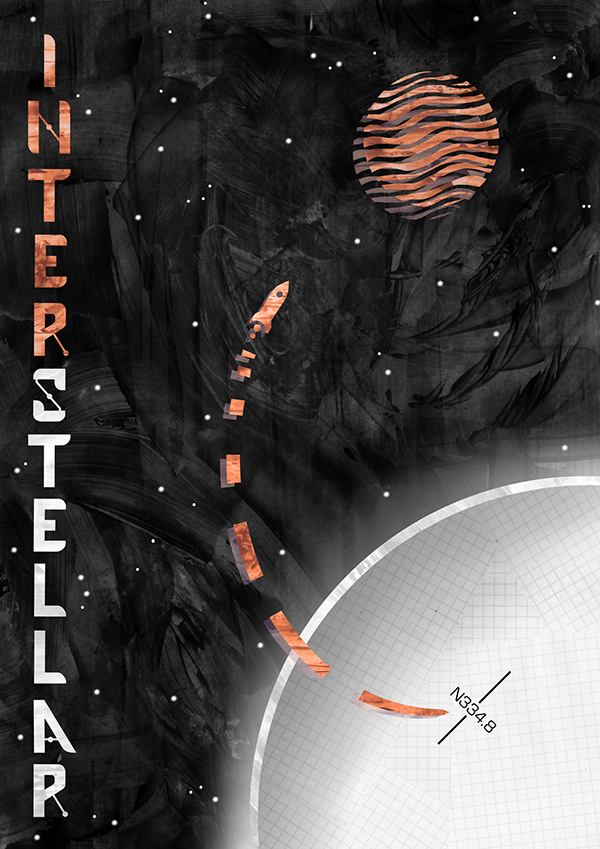
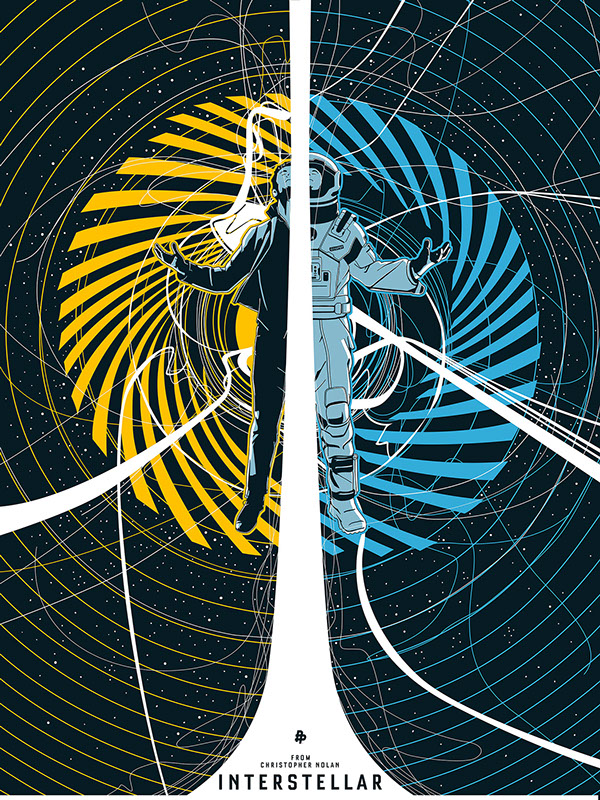
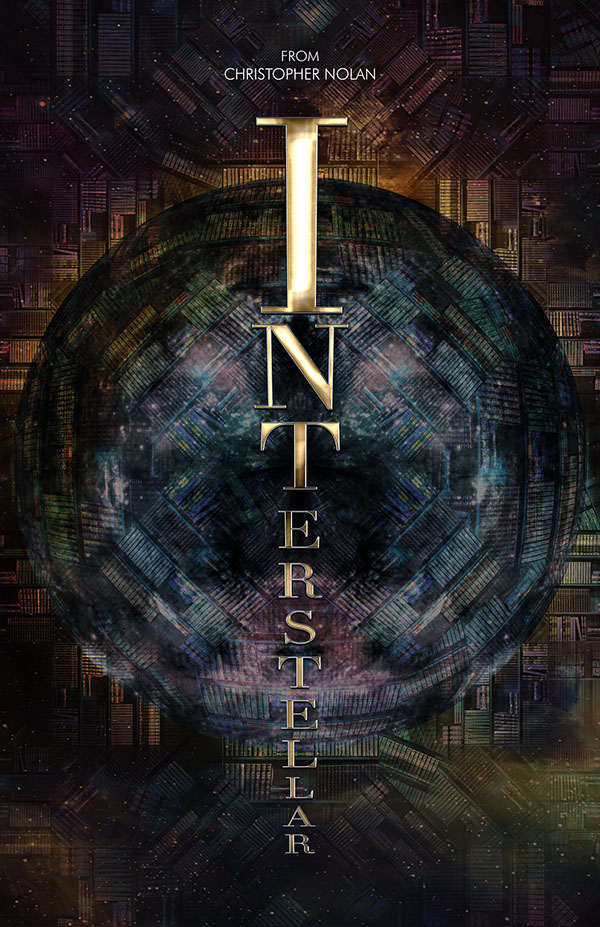
Interstellar is Christopher Nolan’s latest attempt to blow the minds of moviegoers with a complex, time-bending plot. Instead of a dream within a dream, this time we blast off to a different galaxy in an attempt to save the human race. Love it or hate it (I loved it), the movie was certainly visually stunning and awe-inspiring. In fact, it has inspired no shortage of fan-made Interstellar movie posters, each seeking to communicate how the movie made them feel in a unique way. We’ve collected 30 of our favorites to inspire you.


Fan-Made Interstellar Posters


interstellar-poster

Poster by Amanda Mocci


interstellar-poster

Poster by Richard Davies


interstellar-poster
interstellar-poster
interstellar-poster

Posters by James Fletcher


interstellar-poster

Poster by Chris B. Murray


interstellar-poster

Poster by David Brooks


interstellar-poster

Poster by Simon Delart


interstellar-poster

Poster by Andy Fairhurst


interstellar-poster

Poster by Kirill Talalaev


interstellar-poster

Poster by Travis Purrington


interstellar-poster

Poster by Oktäve Théo Boussion


interstellar-poster

Poster by Harlan Elam


interstellar-poster

Poster by Ali Hojjat


interstellar-poster

Poster by Park JuneYong


interstellar-poster

Poster by Orlando Arocena


interstellar-poster

Poster by Aaron Johnson


interstellar-poster

Poster by Film izle


interstellar-poster

Poster by Josh Haag


interstellar-poster

Poster by Peter Schachtel


interstellar-poster

Poster by Ben Mcleod


interstellar-poster

Poster by Mat Guillen


interstellar-poster

Poster by Luke Butland


interstellar-poster

Poster by Luigi Rinaldo


interstellar-poster

Poster by Ali Hojjat


interstellar-poster

Poster by Todd Robinson


interstellar-poster

Poster by Laura Racero


interstellar-poster

Poster by The Dark Inker


interstellar-poster

Poster by Francisco Perez Pac23


interstellar-poster

Poster by Luis Alberto Moreno Reynoso


30 Out of This World Fan-Made Interstellar Posters